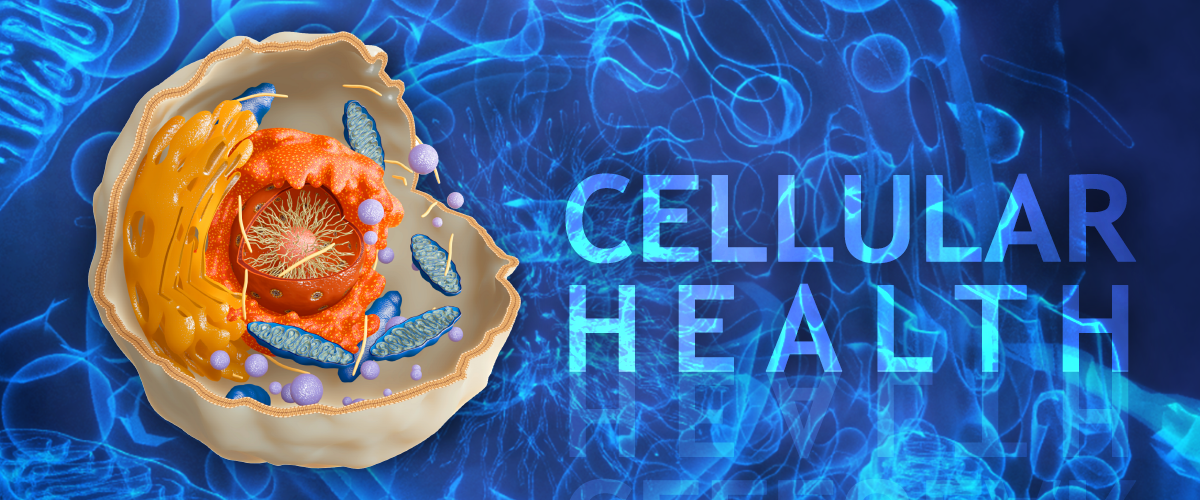
The Crescendo of Innovation: Unlocking New Frontiers in Cellular Therapeutics
Cellular therapeutics is reshaping the landscape of medicine with unprecedented advancements, offering solutions to conditions once deemed untreatable.
The Science of Regeneration: Stem Cell Breakthroughs
Stem cells, often described as the body’s repair squad, hold the power to differentiate into specialized cell types. This unique ability makes them fundamental to regenerative medicine. Recent advancements have seen the approval of cell-based therapies aimed at conditions like Type 1 Diabetes and stroke recovery, where they replace lost or damaged cells and restore critical functions.
For instance, the development of stem-cell-derived islets for diabetes represents a proactive approach to regenerating insulin-producing cells. Coupled with gene-editing techniques to create hypoimmunogenic cells, these therapies are promising broader accessibility and longevity. The integration of encapsulation devices further shields transplanted cells from immune rejection, enhancing their viability within the host.
Stem cell therapies are not only restoring function but are potentially reversing disease progression. These approaches are under intensive late-stage trials, heralding a future where regenerative medicine becomes a mainstay in chronic disease management.
Cellular Therapeutics in Cancer: CAR T and Beyond
CAR T-cell therapy, an innovative form of immunotherapy, is revolutionizing cancer treatment, notably in aggressive tumors like glioblastoma. This therapy harnesses the body's own T-cells, genetically engineered to better recognize and dispatch cancer cells. Researchers are now expanding its scope by improving delivery mechanisms and multi-antigen targeting to overcome resistance.
The locoregional infusion of CAR T-cells directly to the tumor site exemplifies cutting-edge strategies minimizing systemic toxicity while maximizing efficacy. Advances in CAR T technologies, such as integrating resistance modules, are enhancing sustained responses and combating recurrences. These exciting innovations are paving the way for expanding CAR T-cell therapies to solid tumors, broadening their applicability and enhancing therapeutic outcomes.
Mesenchymal Stem Cells: Versatile Protagonists
The role of mesenchymal stem cells (MSCs) is increasingly recognized across various therapeutic landscapes due to their versatile regenerative properties. With their ability to differentiate, modulate the immune response, and promote tissue repair, MSCs are at the forefront of research in addressing autoimmune diseases and injuries.
A significant growth in exosome-based MSC therapies is underway, which utilize cell-secreted vesicles to deliver therapeutic molecules specifically to target sites. This precision in delivery enhances the efficacy of treatments while minimizing off-target effects. As research progresses, MSC-derived products continue to expand, suggesting a harmonious integration into personalized medicine and offering novel treatment avenues for complex conditions.
Resilience Amidst Adversity: Cellular Response to Stressors
Our cells are continually equipped with mechanisms to withstand and thrive despite environmental and internal stressors, illustrating the remarkable resilience of our biological system.
Mitophagy: The Cell's Own Cleansing Ritual
Mitophagy serves as a fundamental cellular housekeeping process, targeting damaged or dysfunctional mitochondria for degradation and recycling. This process ensures optimal mitochondrial function, crucial for energy production and reducing harmful free radical accumulation. Enhanced mitigation techniques are being explored in therapies for neurodegenerative diseases, aiming to bolster cellular resilience by maintaining a population of healthy mitochondria.
Repairing Genetic Templates: The Promise of CRISPR
Cellular health sometimes hinges on the integrity of our genetic material. CRISPR, a revolutionary gene-editing technology, offers an unprecedented ability to amend genetic defects with precision. This tool holds substantial promise in correcting mutations related to various diseases, from genetic disorders to cancer, by reinstating normal cell function. CRISPR is becoming integral to therapeutic strategies seeking to address root causes rather than symptoms.
Antioxidants: Guardians Against Cellular Damage
Antioxidants play a pivotal role in defending against oxidative stress, a major cellular adversary. They neutralize free radicals, which can cause extensive cellular damage and are implicated in aging and numerous diseases. While dietary antioxidants from fruits and vegetables remain vital, research into mitochondria-specific antioxidants is advancing, aiming to protect cellular powerhouses directly and enhance overall cellular health.
The Art of Balance: Harmonizing Regeneration and Defense
The journey to optimal cellular health is a careful interplay of regeneration with robust defensive strategies, creating a balance essential for sustained well-being.
Leveraging the Immune System: Innovative Therapies
Harnessing the innate power of the immune system through novel therapies like NK and T-cell therapies provides new avenues in cancer treatment. These strategies enhance the immune response by targeting and eliminating cancer cells more effectively. Advances in myeloid cell therapies add another layer by addressing different cellular and molecular landscapes within tumors, offering a multifaceted approach to cancer therapy.
The Future of Regenerative Medicine: Integration and Accessibility
As cell and gene therapy technologies progress, the challenge lies in their integration into existing healthcare frameworks. Efforts are focused on reducing costs and increasing the accessibility of these advanced treatments. Healthcare providers and institutions are collaborating to streamline processes, ensuring that cutting-edge therapies are available to a broader patient population.
Reinforcing Cellular Health: Lifestyle's Role
Everyday habits have a profound impact on our cellular vitality. Embracing a diet rich in antioxidants, maintaining regular physical activity, and managing stress through mindfulness practices are essential for cellular resilience. Additionally, prioritizing sleep and understanding the body’s circadian rhythms further enhance repair mechanisms, supporting long-term cellular health.
Understanding the complex symphony of cellular regeneration and defense underscores the intertwined nature of our body's internal mechanisms. By embracing scientific advancements and incorporating sustainable lifestyle choices, we open the door to enhanced cellular vitality and, ultimately, a vibrant, healthier life.
Question and Answer
-
What role does cell regeneration play in maintaining overall health?
Cell regeneration is crucial for maintaining overall health as it involves the process by which cells renew themselves, replacing damaged or dead cells with new ones. This is vital for healing wounds, repairing tissues, and maintaining the proper function of organs. Without effective cell regeneration, our bodies would be unable to recover from injuries or wear and tear, leading to deterioration and disease.
-
How do antioxidants contribute to cellular health?
Antioxidants play a significant role in cellular health by neutralizing free radicals, which are unstable molecules that can cause oxidative stress and damage cellular components such as DNA, proteins, and lipids. By reducing oxidative stress, antioxidants help protect cells from damage, slow down the aging process, and reduce the risk of chronic diseases. They are essential for maintaining the balance between free radicals and antioxidants within the body.
-
Why is mitochondrial function important in combating oxidative stress?
Mitochondrial function is critical in combating oxidative stress because mitochondria are the primary sites of energy production in cells, and they generate free radicals as byproducts of this process. Efficient mitochondrial function ensures that energy production is optimal while minimizing the production of excessive free radicals. Moreover, healthy mitochondria have their own antioxidant systems to mitigate oxidative damage, thus preserving cellular integrity and function.
-
What mechanisms are involved in DNA repair, and why are they essential for cellular health?
DNA repair mechanisms are vital for correcting errors that occur during DNA replication or from damage caused by environmental factors such as UV radiation and chemical exposure. Key repair processes include base excision repair, nucleotide excision repair, and mismatch repair. These mechanisms are essential for maintaining genomic stability, preventing mutations that could lead to cancer or other diseases, and ensuring that cells function correctly.
-
How does nutrient absorption affect cell regeneration and overall cellular function?
Nutrient absorption directly impacts cell regeneration and overall cellular function by providing the essential vitamins, minerals, and other nutrients required for various cellular processes. Adequate nutrient intake supports energy production, DNA synthesis, and repair, as well as the synthesis of proteins and other molecules necessary for cell growth and division. Poor nutrient absorption can lead to deficiencies that impair cell regeneration, weaken immune function, and increase susceptibility to diseases.