Unlocking Convenience: Mobile Wallets Revolutionizing Payments
Mobile wallets are at the heart of the digital payment transformation. Their user-friendly interfaces and robust security are drawing consumers and businesses alike to embrace these modern solutions.
The Rise and Appeal of Mobile Wallets
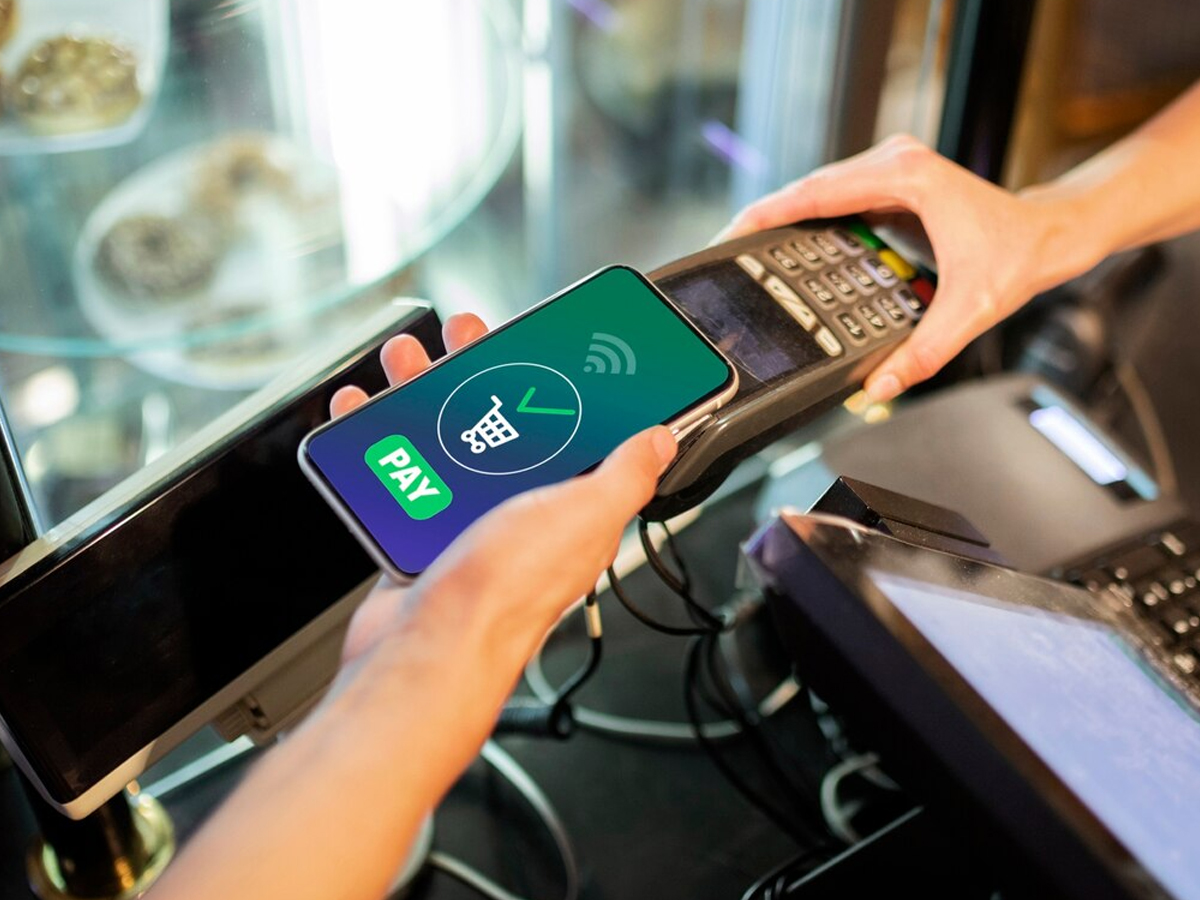
Mobile wallets have rapidly become a preferred method for conducting transactions, both online and offline. They offer a seamless experience, allowing users to complete purchases with just a few taps. This convenience is driving widespread adoption, especially in regions where cash was once king. Mobile wallets also eliminate the need to carry multiple credit cards, providing a consolidated digital payment solution that can store multiple cards securely.
Their rise is underscored by technological advancements like Near Field Communication (NFC), which makes contactless transactions possible. For instance, tapping a phone at a payment terminal is not only quicker but reduces physical touchpoints, enhancing hygiene in a post-pandemic world. The integration of rewards programs and the ability to track spending through wallet apps further enhance their attractiveness. These features are particularly popular in markets such as the UK and US, where digital engagement is high.
Integrating Digital Currency With Mobile Wallets
Another significant trend is mobile wallets integrating cryptocurrency payment options. This adds a layer of financial sophistication, allowing users access to digital currency alongside traditional accounts. This mix offers more versatility in financial transactions and appeals to users who are enthusiastic about blockchain technology.
Crypto integration provides flexibility and broadens the scope for businesses by opening up potential customer bases that prefer digital currencies. It also aligns with future payment innovations as governmental digital currency projects, like potential digital euros, come into focus. Wallets supporting crypto transactions typically incorporate strong encryption and tokenization, ensuring that transactions are secure and anonymous, accommodating both tech-savvy users and security-conscious individuals.
Evolving Toward Digital Identity Hubs
Mobile wallets are evolving beyond mere conduits for financial transactions; they are becoming central to our digital identity. Many are advancing to store not just payment cards but also digital IDs and credentials, becoming comprehensive digital repositories. This evolution leverages secure, encrypted storage methods to protect personal information and streamline identification processes.
For industries like travel and hospitality, this means less fumbling with physical documentation and faster identity verification processes. For users, this shift reduces the need for multiple apps and fragmented services, creating a unified, seamless user experience. This expanded functionality highlights the potential of mobile wallets to simplify and secure how personal data and money are managed.
Transformative Trends in Contactless Transactions and Security
In an era of increasing digital interactions, maintaining the security of these systems is paramount. As the shift towards digital payments accelerates, robust security measures become essential to protect consumer data and build trust.
The Critical Role of Advanced Encryption
Encryption plays a pivotal role in securing digital payment systems. It acts as the digital lock protecting sensitive financial information as it traverses complex networks. Advanced encryption technologies, such as zero-knowledge proofs and quantum-resistant algorithms, offer sophisticated layers of protection, ensuring that even as technology advances, payment data remains secure.
Zero-knowledge proofs, for instance, allow the verification of sensitive information without exposing the data itself, critical for transactions that demand privacy. Quantum-resistant encryption is becoming important as quantum computing technologies advance, promising to keep data secure against potential future threats.
Such technologies are essential not only for protecting transactions but also for maintaining consumer trust, assisting payment systems in gaining wider acceptance.
Addressing Security Concerns in Contactless Systems
Contactless payments offer remarkable convenience but also present unique security challenges. The growth of these systems necessitates innovations in fraud detection and data protection methods. AI has become a key player in this domain, enhancing security protocols through real-time data analysis and anomaly detection.
AI tools are helping to identify suspicious transaction patterns and initiate preventive measures before fraud occurs. This real-time response is crucial in minimizing risk and ensuring the security of digital transactions. The integration of AI in areas like two-factor authentication enhances reliability, making digital interactions more secure against unauthorized access.
Industries utilizing contactless payments, such as hospitality and retail, have begun integrating AI-driven security systems to protect their operations. These measures are crucial in fostering a secure digital environment, building consumer confidence in using digital payment methods.
The Interplay of Industry and Technological Collaborations
Collaboration between sectors is driving significant enhancements in digital payment systems, integrating new technologies seamlessly into our lives.
Collaborative Innovations in Digital Currency
The emergence of government-backed digital currencies requires careful collaboration between private and public sectors to ensure integration and address legal and privacy concerns. The potential digital euro, for instance, highlights a cooperative approach to creating a state-backed digital currency that functions alongside existing systems for seamless user experience.
Such projects illustrated the importance of choosing the right industry partners to navigate technical, legal, and user-experience challenges. A successful implementation could reshape how we perceive and use currency in a digital age, leveraging strong collaboration to provide a solid, reliable payment option.
AI Enhancements in the Payments Landscape
Incorporating AI across financial and e-commerce sectors exemplifies the power of partnerships. AI is crucial for personalizing user experiences and enhancing fraud detection, enabling faster and more accurate responses in digital transactions.
Collaboration between fintech companies and traditional financial institutions allows for the integration of AI across platforms, driving innovation and consumer satisfaction. However, challenges such as governance and data privacy still need addressing, requiring ongoing partnerships to refine and improve AI’s role in digital payments.
Bridging Cryptocurrencies and Traditional Systems
The rise of cryptocurrency is significantly impacting payment systems, requiring synergy between technology and finance industries for effective integration.
Embracing Cryptocurrency Payments
Cryptocurrencies are being increasingly adopted for their efficiency and global reach. Collaborations between crypto payment processors and businesses enable the practical use of digital currencies, fostering new customer experiences and operational efficiencies.
These partnerships help break barriers between traditional finance and emerging technologies, creating hybrid systems where users can choose their preferred transactional mediums.
Ensuring Seamless Blockchain Integration
Blockchain technology’s adoption in payment systems showcases the importance of industry synergies. Financial institutions are leveraging blockchain for more efficient transactions, eliminating delays and reducing costs. Decentralized finance platforms highlight how collaborative efforts can open new pathways for innovation, ensuring that digital payments remain cutting edge and user-friendly.
Future Directions: Securing Our Digital Economy
The ongoing evolution of digital payment systems shows no signs of slowing. As we look to the future, several trends are set to shape the landscape significantly.
Integrating Advanced Security Measures
Improved security protocols, including enhanced encryption and AI integration, play a critical role in the future of digital payments. As threats evolve, so must our defenses, requiring continuous updates to security strategies and technologies.
Companies must remain proactive, adapting security measures to keep pace with technological advancements and emerging cyber threats, ensuring that digital payments remain both secure and user-friendly.
Building Collaborative Frameworks
The future of digital payments hinges on effective collaborations. By working together, different sectors can create innovative solutions that integrate technologies seamlessly into everyday life. These collaborative frameworks will be essential for addressing challenges such as legal compliance and user privacy, ultimately ensuring that digital payments function smoothly and securely.
In conclusion, digital payment systems are evolving rapidly, driven by technological advances and strategic collaborations. As these systems become more widespread, maintaining security and building trust will be paramount, ensuring that the future of payments is as safe and user-friendly as it is promising.
Q&A
-
What are Digital Payment Systems and how do they work?
Digital Payment Systems refer to platforms and technologies that facilitate electronic transactions between parties. They work by using secure networks to transfer funds from a payer to a payee without the need for physical exchange of money. These systems leverage technologies such as encryption to ensure transaction security, and they can be accessed via devices like computers and smartphones.
-
How do Mobile Wallets enhance the convenience of transactions?
Mobile Wallets offer convenience by storing payment information digitally on a smartphone, allowing users to make transactions without carrying physical cards or cash. They utilize technologies such as NFC (Near Field Communication) to enable contactless payments, making transactions quicker and more seamless, particularly in retail environments.
-
What role does NFC play in Contactless Transactions?
NFC, or Near Field Communication, is a key technology that facilitates contactless transactions. It allows devices to communicate with payment terminals over short distances, enabling users to simply tap their mobile devices or cards to make payments. This technology is widely used in Mobile Wallets and is crucial for speeding up the checkout process in stores.
-
How does Encryption ensure security in Online Banking?
Encryption is a method of encoding data to protect sensitive information during transmission over the internet. In Online Banking, encryption secures users' financial data, ensuring that personal and transactional information is only accessible to authorized users. This prevents unauthorized access and fraud, enhancing the overall security of digital financial transactions.
-
What are the benefits of using Contactless Transactions in today's digital economy?
Contactless Transactions offer numerous benefits including increased speed and efficiency at the point of sale, reduced physical contact, which is crucial during health crises, and enhanced security features like encryption and tokenization that protect users' payment information. These transactions are becoming increasingly popular in both physical and online retail environments due to their convenience and safety.