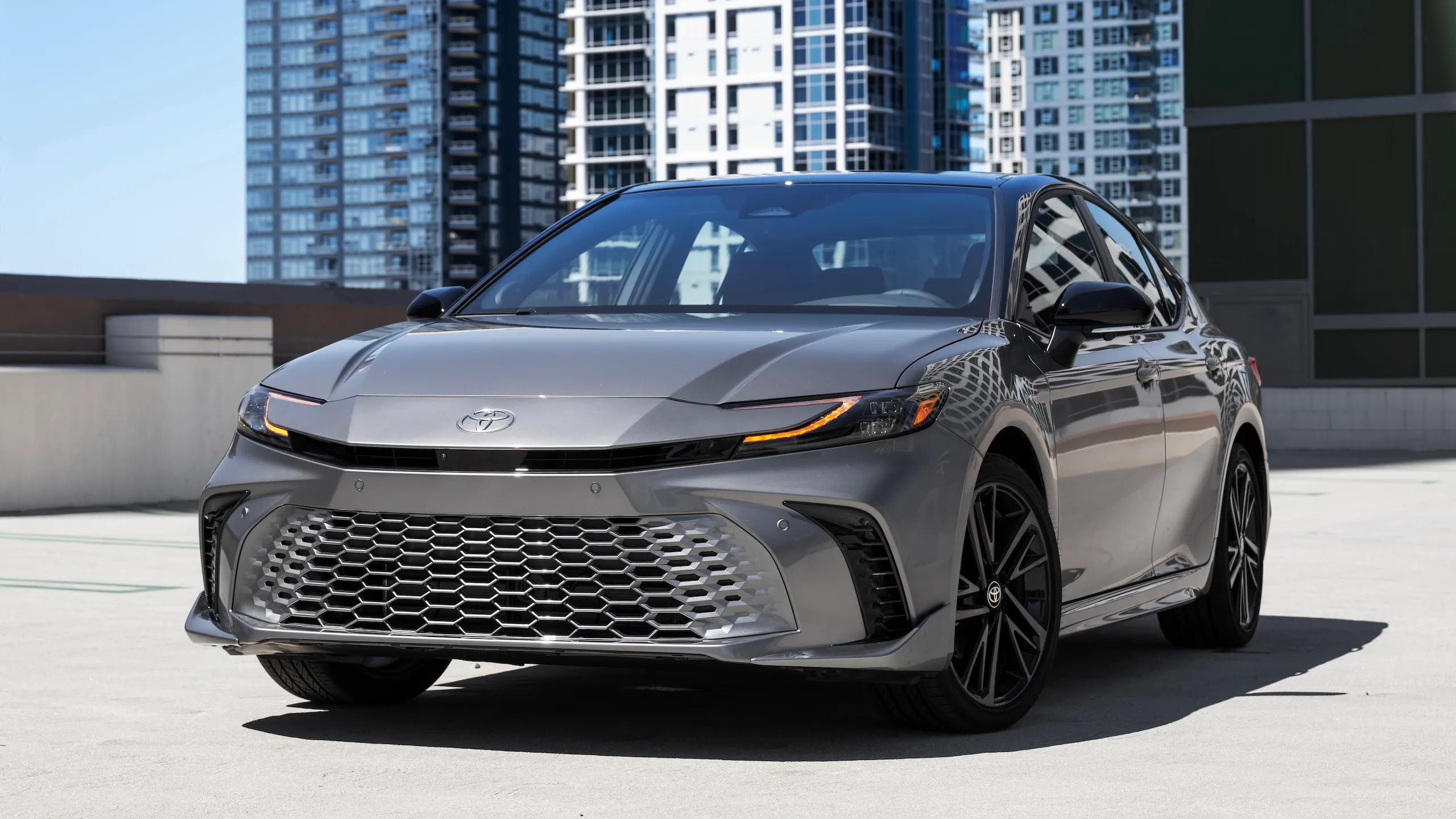
Sculpting the Future: How Design Shapes the Car of Tomorrow
The way we perceive cars has drastically changed, evolving with every new model that rolls out from manufacturers. No longer just about looking good on the move, automotive design now incorporates functionality, sustainability, and seamless harmony between aesthetics and utility. How a car not only looks but interacts with its environment and the people inside it has become a focal point for designers, creating concepts that are as visually enthralling as they are aerodynamically efficient.
1. Aerodynamics and Efficiency
Few things affect a car’s functionality as much as its interaction with the wind. By prioritizing aerodynamics, car designers craft shapes that reduce air resistance, boost fuel efficiency, and improve the overall driving performance. Sleek contours and smooth surfaces are more than just eye-catching—they’re essential for decreasing drag and optimizing vehicle stability at higher speeds. Modern designs fully embrace these principles, incorporating active aerodynamic components that adjust in real time to enhance both performance and energy efficiency. For the environmentally conscious driver, this convergence of form and function makes a compelling case for choosing vehicles that embody such forward-thinking engineering.
2. Interior Evolution: Elevating Comfort and Interactive Technology
When thinking about a car's interior, the evolution from simple to sophisticated is clear. Once purely functional, vehicle interiors have transformed into luxurious spaces that blend comfort with cutting-edge technology. Designers focus not just on the tactile appeal of materials like leather upholstery and ambient lighting but on integrating digital tools that enhance the driving experience. Consider the advent of large touchscreens, voice-activated controls, and augmented reality displays—all available at the driver’s fingertips. These features aren’t merely for show; they deliver practical benefits by providing real-time assistance and making the driving experience more connected and engaging.
Tech-Savvy Drives: Embracing the Latest Automotive Innovations
The integration of advanced technological features is transforming modern cars into mobile smart devices, connecting drivers to a world of functionality and data. This integration is reshaping the essence of driving, turning vehicles into much more than just means of transportation.
1. The Electric Revolution and its Impact on Daily Driving
The shift to electric vehicles (EVs) marks a major transformation in the automotive industry, where electric power trains are at the forefront of this change. Not only do they offer an eco-friendly alternative to traditional engines, but they also deliver immediate torque and quiet operation that enhance the driving experience. The potential of EVs is perhaps best exemplified by models that achieve impressive acceleration and range without compromising on style or comfort. For instance, vehicles designed with an aerodynamic shape and advanced battery technology can offer speedy acceleration akin to sports cars, without the noise pollution associated with high-revving gasoline engines.
2. Infotainment and Connectivity: A New Realm of Interaction
The car cabin has become a central hub for connectivity, blurring the lines between driving and digital living. With comprehensive infotainment systems, modern vehicles allow seamless integration of smart devices through interfaces like Apple CarPlay and Android Auto. This connectivity extends beyond basic functionality, offering real-time satellite guidance, traffic updates, and entertainment options. In the age of smart technology, vehicles even receive over-the-air updates, ensuring the software remains current without the need for dealership visits. The level of connectivity provided by these systems reflects a shift toward cars being focal points for digital interaction, not just modes of transport.
Combining Performance and Technology for Safety and Driving Assistance
As advancements continue to develop in the automotive industry, creating safer vehicles while enhancing the driving experience has become a primary objective. The infusion of technology into safety features is central to this mission.
1. Advanced Safety Systems and Autonomous Capabilities
The inclusion of state-of-the-art safety features has made cars more secure than ever before. Systems such as automatic emergency braking, lane-keeping assist, and adaptive cruise control use data from cameras and sensors to autonomously respond to road scenarios, significantly reducing the risk of accidents. Beyond this, the advent of autonomous driving technology, currently under rapid development, aims to revolutionize driving altogether by eventually eliminating the need for human intervention in most situations. This path towards greater automation is driven by a commitment to ensuring safety through technology, with features continuously refined to become more accurate and reliable.
2. The Role of Intelligent Assistants in Modern Cars
The use of artificial intelligence in cars has seen smart driving assistants take center stage, aiding drivers with tasks that require quick decision-making and multitasking. A car with an integrated AI driving assistant can anticipate routes, suggest speed adjustments, and even manage navigation based on the driver’s history and preferences, making the journey more personalized and efficient. While still in the early stages, the potential for such technology to transform how we interact with our vehicles is vast, promising a future where the driving process is both safer and more enjoyable.
Examining the Cost Factor: The Value of Modern Automobile Advancements
The introduction of these myriad technologies does raise considerations about cost, but the investment often translates into long-term savings and benefits that outweigh the initial price.
1. Investment in Efficiency Yields Savings
One of the most apparent benefits of modern cars is their improved efficiency. Electrified options, hybrid capabilities, and superior aerodynamics reduce both fuel consumption and emissions, leading to significant savings over time. Additionally, the cost of maintaining these vehicles is often lower due to fewer moving parts and less frequent service requirements for electric motors compared to traditional internal combustion engines.
2. Cost versus Value in Higher-End Models
With a starting price of about $70,000, some might view these modern marvels as an expensive leap. However, when you dissect the price against the performance enhancements, luxury interior features, safety innovations, and long-term savings on fuel and maintenance, the value becomes evident. You pay for more than just a car; you invest in a comprehensive mobility solution that reflects innovations across various key aspects like those captured in the following table:
The above data showcases how investing in modern features can lead to a superior driving experience that harmonizes speed, style, and security. Balancing initial expenditures with efficiency, technology, and safety, these vehicles set the stage for what is both attainable and desirable in the modern age of transportation.
Q&A
-
What are the key performance features of modern vehicles?
Modern vehicles boast a variety of performance features, including advanced engine technologies like turbocharging and hybrid powertrains, which enhance fuel efficiency and power output. Additionally, features such as adaptive suspension systems and all-wheel drive improve handling and driving dynamics, providing a smoother and more controlled ride.
-
How does design influence the functionality of a vehicle?
Vehicle design is crucial in determining both aesthetics and functionality. Aerodynamic shapes reduce drag and improve fuel efficiency, while ergonomic interior layouts enhance driver comfort and accessibility. Design elements such as intuitive dashboard interfaces and strategically placed controls contribute to a more user-friendly experience.
-
What interior features contribute to passenger comfort and convenience?
Modern vehicles often include interior features like climate control systems, premium seating materials, and ample legroom to maximize passenger comfort. Technological amenities such as infotainment systems, USB ports, and wireless charging pads add convenience, ensuring passengers remain entertained and connected during their journey.
-
How is safety integrated into contemporary vehicle technology?
Safety is a top priority in vehicle technology, with features like advanced driver-assistance systems (ADAS) that include adaptive cruise control, lane-keeping assist, and automatic emergency braking. These technologies help prevent accidents by providing real-time monitoring and intervention. Additionally, the use of high-strength materials and strategically placed airbags enhances passenger protection during collisions.
-
What factors influence the pricing of a vehicle?
The price of a vehicle is influenced by various factors, including the brand, model, and specific features offered. High-end materials, advanced technology packages, and premium design elements typically increase a vehicle's price. Additionally, market demand, production costs, and the inclusion of innovative safety and performance technologies also play a significant role in determining pricing.