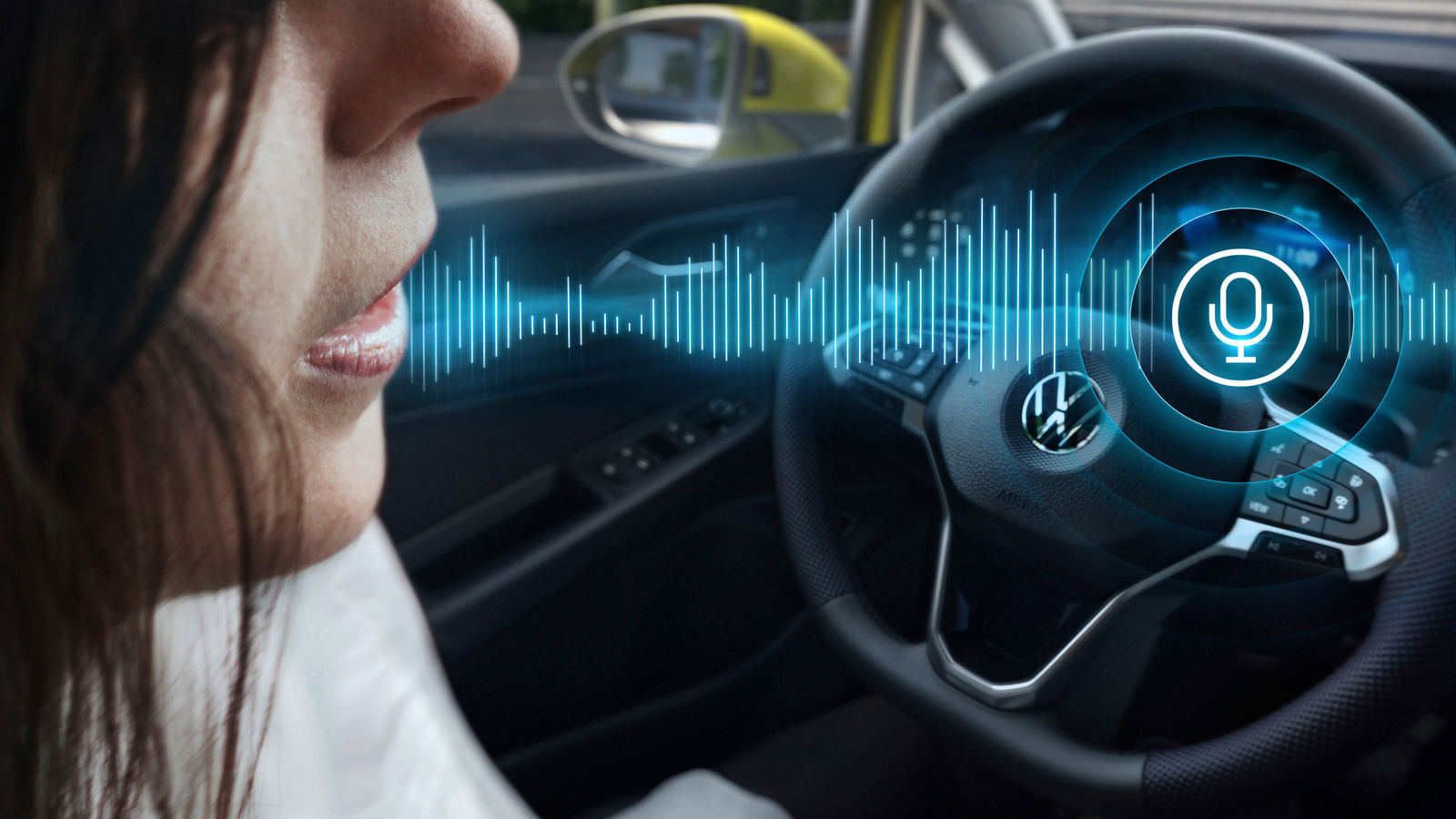
Deciphering Technology: Understanding Virtual Assistants
Virtual assistants have seamlessly integrated into our lives, enhancing the way we interact with our homes. They are not just tools, but complex systems enabled by advanced technologies that require in-depth understanding to appreciate their capabilities and implications fully.
Speech Recognition: Transforming Sound into Digital Understanding
Virtual assistants start by capturing our spoken words and processing them into a digital format they can understand. This intricate process begins with spectral analysis, which breaks down audio signals into manageable pieces known as phonemes. Through acoustic modeling—analyzing these phonemes based on their distinctive auditory features—the system starts to piece together the puzzle of spoken language. This stage is crucial as it sets the groundwork for everything the assistant does next.
Modern advancements incorporate deep learning algorithms, which greatly enhance the system's ability to correctly translate speech into text. With models trained on extensive datasets, these systems can now adapt to a multitude of accents and speech patterns present in diverse environments. However, despite achieving impressive accuracy rates over 95% in controlled scenarios, challenges such as background noise and regional accents persist, as shown in a study by the National Institute of Standards and Technology (NIST). Improving these facets is essential for the technology to penetrate environments beyond controlled settings.
Language Processing: Grasping Meaning Beyond Words
Once speech is converted into text, virtual assistants use natural language processing (NLP) to comprehend the underlying intent. Language models are employed to examine the grammatical structure, analyzing word sequences to predict the likelihood of particular combinations. This predictive capability is essential for understanding the user's intent rather than just processing isolated words.
Through semantic analyses, these systems interpret the meaning and context of phrases, diving deeper into the essence beyond literal word recognition. Modern NLP advancements use contextual embeddings that consider surrounding words and previous interactions to bring about a nuanced performance, making virtual assistants increasingly sophisticated conversationalists.
Despite these technological strides, issues like homophones and ambiguous queries can disrupt accurate understanding. Hence, efforts are directed towards enhancing context-aware models that learn from user history and adaptively interpret spoken requests with greater precision.
Continuous Learning and Personalization: The Evolving Assistant
Virtual assistants thrive on the capability to learn continually, improving accuracy and tailoring interactions to user preferences. Through advanced machine learning mechanisms, these systems analyze user interactions, habits, and feedback, learning over time to offer more personalized service. This adaptive learning allows the assistant to refine its speech recognition capabilities, minimizing typical pitfalls like misunderstanding accents or dealing with noisy backgrounds.
The accumulation of vast amounts of data only bolsters these AI systems' training regimes, reinforcing their knowledge to become more efficient and reliable. As they evolve, personalized assistance becomes central to their functionality, ensuring interactions are not only accurate but also intuitive and context-sensitive.
Multimodal Integration: Beyond Voice Commands
Emerging technology trends show virtual assistants broadening their scope to process various input types. These systems now integrate multimodal AI, encompassing not just voice commands, but also visual and contextual cues. This expansion allows systems to better manage complex tasks and look beyond the immediate spoken words for clues to predict user intent.
For example, in smart homes, by analyzing visual data combined with contextual understanding—such as time, location, and past interactions—assistants can offer more comprehensive and relevant responses. The objective is to create a fully integrated home environment where each device works in harmony with the digital assistant, providing seamless connectivity and user experience.
The future holds promise for expanded capabilities in this domain, with rapid advancements pushing the boundaries of what AI-driven virtual assistants can accomplish. Yet, as these systems become more capable, continuous vigilance on security and privacy must be maintained to safeguard personal data.
Addressing Privacy in Smart Homes
While virtual assistants offer immense convenience and functionality, they also raise pressing privacy concerns that must not be overlooked. Understanding and managing these aspects are fundamental to creating a secure and user-friendly environment.
The Extent of Data Collection
Virtual assistants in smart homes are adept at collecting a wide array of data, ranging from voice recordings and usage patterns to more specific information such as location or interactions with connected devices. This bulk data serves a pivotal role in refining system performance and personalizing user interactions.
However, this extensive data collection mandates rigorous oversight. Unchecked data can lead to vulnerabilities, such as potential misuse or unauthorized access, emphasizing the need for clear boundaries and checks. Data security is not just about internal safeguards; it extends to the entire ecosystem, including how data is shared across platforms and processed in cloud environments.
Securing Data: Preventing Breaches and Unauthorized Access
Data breaches and unauthorized access are legitimate threats lurking in the interconnected world of smart homes. Exploitable vulnerabilities within devices or cloud infrastructures can expose sensitive user information to risks. It is crucial that all parties involved—from device manufacturers to service providers—prioritize top-tier security measures to mitigate such risks.
Innovations such as blockchain technology can offer promising solutions by encrypting and decentralizing data storage, consequently reducing potential insecurity. Embracing these solutions requires a collaborative effort across the tech industry to foster a secure environment.
Transparency and User Empowerment
A critical aspect of privacy revolves around education and awareness. Transparent data policies are fundamental to informing users about data collection methodologies, usage, and third-party involvement. These policies not only build trust but also empower users to make informed choices regarding their data.
Privacy settings ought to be accessible and adjustable, granting users control over their data footprints. Users deserve the ability to evaluate, modify, and expunge their information, as well as opt out where preferences dictate. This empowerment plays a crucial role in preserving personal freedom within the domain of digital assistants.
Future Prospects: Shaping Secure Smart Homes
As we look to the future, it's clear that the journey of integrating secure virtual assistants into our daily lives is just beginning. Continued vigilance and innovation will keep these systems both convenient and secure.
Intelligent and Proactive AI
Future smart homes will see AI grow even more intelligent and proactive, anticipating user needs through predictive behaviors and context-aware actions. The concept of agentic AI takes center stage here, with assistants executing tasks autonomously based on learned preferences and usage patterns. Such fluid functionality can bridge the gap between user intention and seamless execution, provided robust privacy safeguards are in place to protect user data from exploitation.
Interoperability and Unified Standards
The challenge of diverse device interoperability is a significant obstacle to smart home growth. Efforts such as the push for unified standards like Matter promise to bridge this gap, enabling seamless interaction across different devices and brands. Such interoperability will enhance functionality, enrich user experiences, and encourage a vibrant ecosystem ripe for innovation. It's a step toward a future where digital coexistence is harmonized, simplified, and universally accessible.
Though promising, these developments require navigating the nuanced intersection of cutting-edge innovation and resilient data privacy protocols. Continuously refining these frameworks ensures that smart home experiences can be both transformative and respectful of individual user privacy.
In conclusion, the trajectory of virtual assistants within smart homes is one of immense potential. Balancing the pursuit of enhanced functionality with robust privacy mechanisms will pave the way for a future where technology truly serves the user, fostering both trust and engagement in smart home ecosystems.
Q&A
-
How do virtual assistants utilize AI learning to improve voice command accuracy?
Virtual assistants use AI learning algorithms to continuously improve the accuracy of voice command recognition. These algorithms analyze user interactions and feedback to refine their understanding of different accents, speech patterns, and contextual cues. Over time, the AI can adapt to individual user preferences, making voice recognition more precise and efficient.
-
What role do virtual assistants play in managing smart home devices?
Virtual assistants act as centralized hubs for controlling various smart home devices. They enable users to operate lights, thermostats, security systems, and other connected appliances through voice commands. This integration simplifies home automation by allowing seamless interaction with multiple devices, enhancing convenience and energy efficiency.
-
What privacy concerns are associated with the use of virtual assistants in smart homes?
Privacy concerns related to virtual assistants in smart homes primarily revolve around data collection and storage. These devices often record and analyze user interactions to improve functionality, which raises issues about how personal data is stored, who has access to it, and how it might be used. Users are advised to review privacy settings and stay informed about data policies to mitigate these risks.
-
How does the accuracy of voice commands impact the user experience of smart home devices?
The accuracy of voice commands is crucial for a smooth user experience with smart home devices. High accuracy ensures that commands are correctly interpreted and executed, reducing frustration and enhancing user satisfaction. Inaccurate voice recognition can lead to incorrect device responses, which may diminish the perceived reliability and usefulness of the technology.
-
What advancements are being made to enhance the privacy of virtual assistant users?
To enhance privacy, developers are implementing features such as on-device processing, where data is analyzed locally rather than sent to cloud servers. Additionally, improved encryption methods and more transparent data usage policies are being introduced. Users are also given more control over their data, such as the ability to delete voice recordings and customize privacy settings.