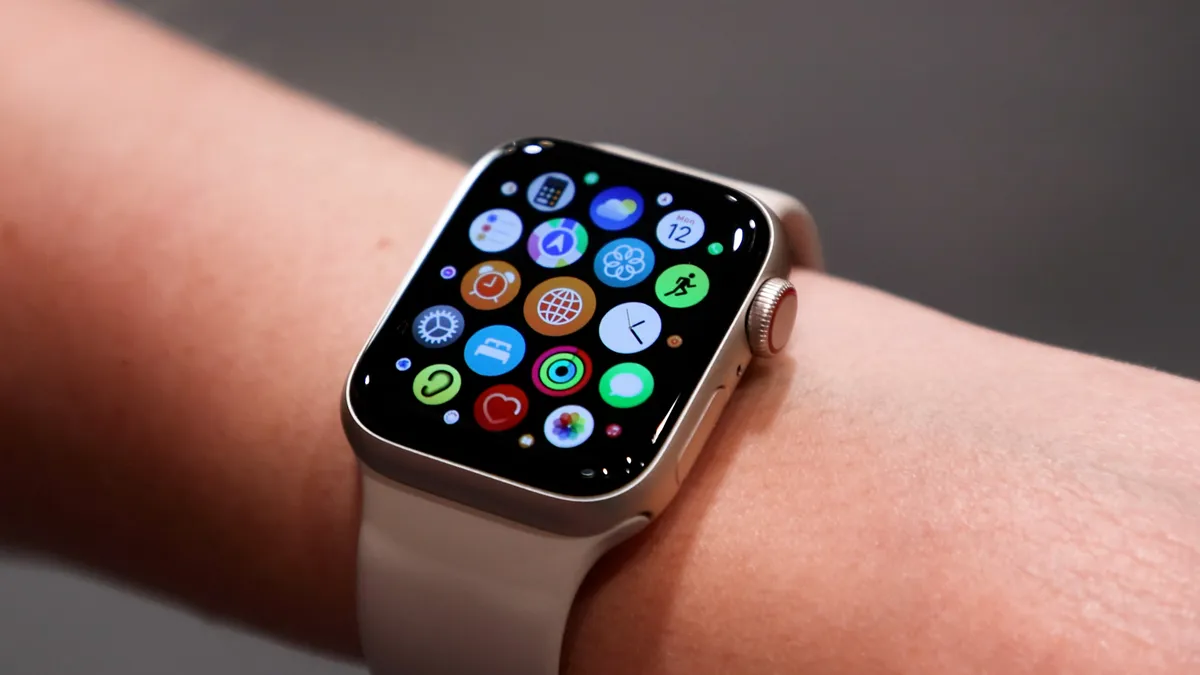
Transforming Health Monitoring with Smart Watches
Smart watches have redefined health monitoring, offering insights into personal well-being that were previously unimaginable. With continuous innovation, these devices are at the forefront of personal health management.
Advanced Sensors and Real-Time Data Analysis
Smart watches are equipped with advanced sensors capable of monitoring heart rate, blood oxygen levels (SpO2), and generating electrocardiograms (ECGs). These features provide users with real-time data, allowing them to track vital health metrics easily. For instance, continuous heart rate and SpO2 tracking are fundamental components of many models, ensuring users receive alerts for any abnormal readings. This proactive approach encourages timely health check-ups and interventions.
Additionally, stress and sleep tracking have become integral components of smart watches. By analyzing sleep patterns and identifying stress levels, these devices enable users to adjust their lifestyles for better health. The accuracy and convenience of these measures make smart watches invaluable in daily life.
Apps Integration and Personalized Insights
The integration of health-focused apps with smart watches provides users with bespoke health insights. By leveraging data from these apps, users gain a comprehensive understanding of their fitness levels and health conditions. These applications not only track physical activity but also offer personalized coaching and recommendations to improve overall well-being.
Smart watches seamlessly sync with health apps such as MyFitnessPal, Strava, and others, enabling users to analyze their performance and adjust their routines. These connections facilitate a cohesive fitness plan that is adaptable and user-centric.
Design Meets Utility: The Evolution of Smart Watches
The design of smart watches has transformed remarkably, striking a balance between aesthetic appeal and functional efficiency. As a result, these devices are now both fashionable accessories and powerful technological tools.
Aesthetics and Material Innovations
From their humble beginnings, smart watches have evolved significantly in terms of design. Early versions were bulky, focusing primarily on functionality. However, current models emphasize both style and durability. The use of materials like stainless steel and titanium enhances the visual appeal and ensures longevity. Moreover, customizable watch faces and interchangeable straps allow for personalization, catering to varied tastes and preferences.
Balancing Functionality and Battery Life
As the demand for smarter designs grows, so does the need for longer battery life. Manufacturers are innovating to optimize energy consumption without compromising the visual or functional aspects of smart watches. By integrating efficient chipsets and offering power
Q&A
-
What are the main benefits of using smart watches for fitness tracking?
Smart watches offer several advantages for fitness tracking, including real-time monitoring of physical activities, tracking steps, calories burned, and heart rate. They also provide personalized workout recommendations and can integrate with other fitness apps for a comprehensive health overview. This helps users stay motivated and achieve their fitness goals more effectively. -
How do smart watches handle notifications without being a distraction?
Smart watches are designed to deliver notifications in a subtle and non-intrusive manner. Users can customize which notifications they want to receive, such as calls, messages, or app alerts. The ability to quickly glance at notifications on the wrist helps users stay informed without constantly checking their phones, reducing distractions. -
What should users consider about battery life when choosing a smart watch?
Battery life is a crucial factor when selecting a smart watch. Users should consider how often they need to charge the device based on their usage patterns. Some smart watches offer longer battery life, lasting several days on a single charge, while others may need daily charging. Features like GPS and continuous health monitoring can also affect battery longevity. -
How do smart watches contribute to health monitoring?
Smart watches contribute significantly to health monitoring by providing continuous data on vital signs such as heart rate, sleep patterns, and even blood oxygen levels. They can alert users to irregularities that might require medical attention, promoting proactive health management. Additionally, many smart watches offer guided breathing exercises and stress management tools. -
What role do apps play in enhancing the functionality of smart watches?
Apps are pivotal in expanding the functionality of smart watches beyond basic features. They allow users to customize their devices with applications tailored to specific needs, such as fitness, productivity, navigation, and more. App ecosystems also enable smart watches to integrate seamlessly with smartphones and other smart devices, providing a unified and enhanced user experience. -
How important is design in choosing a smart watch?
Design plays a significant role in the appeal and practicality of a smart watch. Users often consider factors such as the watch's size, style, strap options, and display quality. A well-designed smart watch not only complements personal style but also ensures comfort for all-day wear, making it a crucial aspect for many consumers.