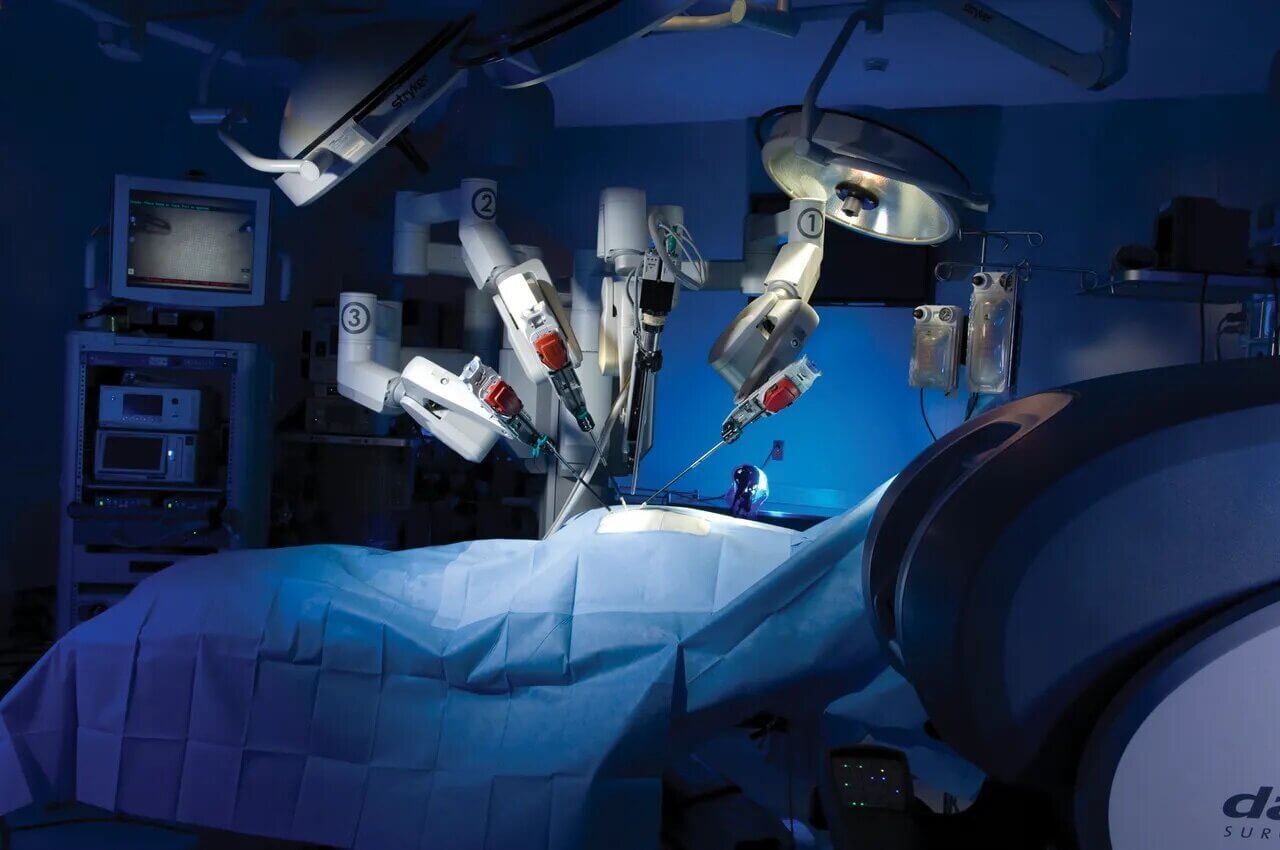
Demystifying Robotic Surgery: Precision Beyond Imagination
Robotics in surgery is more than just a sophisticated technological advancement; it represents a profound leap toward precision in medical procedures. Let's delve into how robots are transforming surgical fields and ensuring greater safety and efficiency.
Quantifiable Outcomes and Clinical Advancements
Robotic surgery is lauded for delivering tangible benefits. Outcome data illustrates significant reductions in blood loss during complex surgeries, sometimes by as much as 30%, which is crucial for patient recovery and outcome. Hospital stays also tend to be shorter with robotic interventions, reducing the recovery burden on patients and healthcare systems alike. This trend is evident in procedures like colectomies, where robotic techniques trim hospital stays by days compared to traditional methods. The continuous training and certification of surgeons in robotic techniques are further evidence of this technology’s rising prominence, as healthcare systems seek to capitalize on the enhanced outcomes and efficiencies that robots offer.
Expanding Robotic Applications in Various Surgical Disciplines
Robotic systems have firmly established themselves within various surgical specialties, responding to specific medical challenges with tailored solutions. In urology, robots assist with precision-driven procedures for conditions such as complex renal cancer and pelvic organ prolapse. The adoption of robotic-assisted radical nephrectomy, for example, exemplifies how robots are preferred for their minimally invasive approaches, offering patients quicker recovery and less post-operative pain. The economic potential, measured by markets projected to exceed billions, supports an undeniable financial and practical benefit. The scope of robotic surgery is expanding, validating its value beyond theoretical propositions.
Safety Improvements and Reduced Complications
In addition to clinical benefits, robotic surgery offers superior safety profiles, with substantial reductions in post-operative complications and adverse incidents. Studies and real-world applications indicate that robots can optimize operative environments to minimize human error and surgical stress. These advantages, coupled with the meticulous control over robot-assisted procedures, make surgeons more effective and the procedures safer, building confidence among practitioners and patients alike.
AI-Powered Diagnostics: Charting a New Course in Medical Imaging
Artificial Intelligence, when coupled with robotics, inceptioned a new era of precision and accuracy, particularly in diagnostics. Let's explore how AI is setting new standards in the field.
Enhancing Diagnostic Precision and Reducing Errors
AI technologies, particularly those like convolutional neural networks, play an instrumental role in elevating the accuracy of diagnostics. Whether used for mammography or ultrasound, AI algorithms enhance the capabilities of robots to spot anomalies with unprecedented accuracy, reducing false positives and unnecessary interventions. This innovation not only reassures patients by reducing stress due to false alarms but also allows for more focused follow-up procedures when truly necessary.
Streamlining Processes Through Automation
Automated reporting and analysis, driven by AI, are revolutionizing radiological assessments. AI systems efficiently process medical images and generate quick, preliminary reports, meaning radiologists can devote attention to intricate cases. This automation extends into histopathology, where AI aids in microscopic examination, expediting the disease identification process significantly. This swiftness not only benefits practitioners but accelerates the delivery of tailored patient care.
Personalized Care Through AI Integration
AI's capacity to combine genomic data with medical imaging has unlocked doors to personalized medicine. AI-driven insights enable the tailoring of treatments to an individual’s genetic profile, predicting patient responses with higher specificity. Such personalized approaches symbolize the next frontier in treatment, maximizing therapeutic impact while minimizing adverse reactions. This emerges as a critical advantage in precision medicine, redefining care for patients with unique physiological needs.
Widespread Applications Across Medicine
AI’s versatility extends its benefits across diverse medical fields. AI can identify and categorize conditions like prostate cancer using imaging techniques or alert practitioners to potential intracranial hemorrhages. These advancements illustrate AI’s broad applicability, with its potential improving diagnostic accuracy across numerous medical conditions, heralding a new standard of care.
Telemedicine and Robotics: Merging for Enhanced Care Accessibility
Robotics and telemedicine create new synergies, expanding healthcare access through innovative, remote solutions.
Remote Patient Monitoring and Care
Remote surveillance and monitoring, empowered by robotics, transform how care is administered outside traditional healthcare settings. Mobility-enabled telemedicine robots supplement caregivers' efforts, offering constant supervision and prompt interventions for patient needs at home. By demonstrating robotics' capabilities at smart healthcare expos, the ease and efficacy of these systems in real-time tracking and reporting are showcased, making remote healthcare more viable and effective.
Digital Models for Personalized Treatment
Leveraging digital twin technology within clinical trials provides unique insights into patient response predictions. These computer-based models mimic real-world patient dynamics, optimizing treatment plans by simulating different interventions' outcomes. Such personalized data-driven strategies encourage more reliable healthcare practices and acceptance by regulatory bodies due to their potential to cut down required trial periods significantly.
Remote Emergency and Routine Surgeries
Advancements in telepresence and robotic surgery are helping break geographical barriers to expertise, allowing specialists anywhere to perform life-saving operations remotely. This capability is invaluable for patients without immediate access to special medical expertise, increasing the timeliness and quality of care provided remotely. The technology’s growing adoption, strengthened by electronic regulatory frameworks, showcases its resilience and adaptability to existing healthcare challenges.
Misconceptions Unveiled: Separating Reality from Myth
Despite their promise, misconceptions about medical robotics persist, potentially hindering wider acceptance and utilization.
Robots as Healthcare Professionals' Partners
Robots are not designed to replace healthcare professionals. Instead, these sophisticated tools complement practitioners' knowledge and skills. Enhancing surgical precision or streamlining diagnostics requires doctor oversight. Robots facilitate repetitive tasks so that medical professionals can concentrate on critical therapeutic and decision-making processes, thus improving overall care quality.
Rigorous Mechanisms Ensure Safety and Reliability
While robots offer improved outcomes, they are not without flaws. System malfunctions or software issues highlight the need for rigorous maintenance and professional training. Healthcare teams must be prepared to manage robot-induced risks, emphasizing the symbiosis between robotic systems and human intervention for optimal safety and reliability.
Dispelling the Notion of Robots Being Elite Exclusives
Once perceived as luxury, the economic feasibility of robotics is improving, spreading across demographics. As technology advances, costs decrease, allowing for more accessible robotic healthcare solutions. Research and development efforts are focused on making these systems affordable for widespread implementation, offering substantial medical benefits at reduced financial constraints.
Empathy and Robotics: Enhancing Human Interaction
Robots can't replace human empathy but can enhance patient interaction by assisting healthcare providers in focusing on emotional and psychological support. They handle administrative duties, freeing clinicians to deliver compassionate care, further humanizing the medical experience alongside high-tech efficiency.
Synergizing AI and Robotics for Advanced Healthcare Solutions
The collaboration of AI and robotics in healthcare is shaping a future where smart solutions not only prevail but excel in precision, safety, and empathy across medical fields. Continuous technological and ethical discourse is needed to ensure these developments amplify human-centered healthcare effectively.
Surgical Innovations and Diagnostic Breakthroughs
Advancements in surgical robots powered by AI redefine operative precision and control. Diagnostic breakthroughs facilitated by AI robots promote early disease detection and refined treatment strategies. These innovations translate into measurable health improvements, paving ways to higher standards of care.
Investment Steering Technological Progress
Venture capital is crucial for nurturing pioneering robotic projects, providing the necessary financial foundation for groundbreaking healthcare technologies. It energizes sectors like AI-enhanced diagnostics, wearables, and surgical robotics, catalyzing the dissemination of these innovations.
Embedding these decisive factors in the evolution of robotics in healthcare will help shape an approach that's not just technologically advanced but ethically sound and broadly beneficial. Healthcare is on the brink of a significant transformation that will undoubtedly lead to improved patient experiences and healthcare outcomes.
Question and Answer
-
What are the primary benefits of using surgical robots in healthcare?
Surgical robots offer significant advantages in healthcare, including enhanced precision and control during procedures. They allow for minimally invasive surgeries, which typically result in smaller incisions, reduced blood loss, and faster recovery times for patients. Additionally, surgical robots provide surgeons with improved dexterity and visualization, which can lead to better surgical outcomes and reduced complication rates. This technology is particularly beneficial in complex procedures where traditional techniques may fall short.
-
How do AI-powered diagnostics improve healthcare outcomes?
AI-powered diagnostics enhance healthcare outcomes by increasing the accuracy and speed of medical imaging analysis. AI algorithms can process large datasets quickly, identifying patterns and anomalies that may be missed by human eyes. This capability leads to earlier and more accurate diagnoses, which are crucial for effective treatment. AI can also reduce false positives, minimizing unnecessary stress and procedures for patients. Furthermore, AI-driven systems can streamline workflows by automating routine tasks, allowing healthcare professionals to focus on more critical aspects of patient care.
-
What role do rehabilitation devices play in patient recovery?
Rehabilitation devices, such as robotic exoskeletons, play a crucial role in patient recovery by assisting with mobility and physical therapy. These devices help patients regain strength and independence by facilitating movement and exercise that might otherwise be difficult due to injury or disability. Rehabilitation robots can provide consistent and controlled therapy sessions, which are essential for effective recovery. They also offer real-time feedback and data that can be used to tailor rehabilitation programs to individual patient needs, enhancing the overall recovery process.
-
How does human-robot interaction enhance patient care in healthcare settings?
Human-robot interaction in healthcare settings enhances patient care by combining the strengths of both human and robotic capabilities. Robots can assist with routine tasks, such as medication delivery and patient monitoring, allowing healthcare professionals to focus on more complex and interpersonal aspects of care. This interaction also improves efficiency and reduces the workload on medical staff. Additionally, robots can provide companionship and support, particularly for elderly or long-term care patients, improving their overall well-being and satisfaction with their care.
-
What measures are in place to ensure automation safety in healthcare robotics?
Ensuring automation safety in healthcare robotics involves rigorous testing, validation, and certification processes. Robotic systems must undergo extensive trials to verify their safety and effectiveness before being deployed in clinical settings. Manufacturers implement robust risk management strategies to address potential mechanical failures or software glitches. Continuous monitoring and maintenance are also crucial to prevent malfunctions. Moreover, healthcare professionals receive specialized training to operate and manage robotic systems safely, ensuring that patient safety remains the top priority. Regulatory bodies establish guidelines and standards to oversee the safe integration of robotic technologies in healthcare.