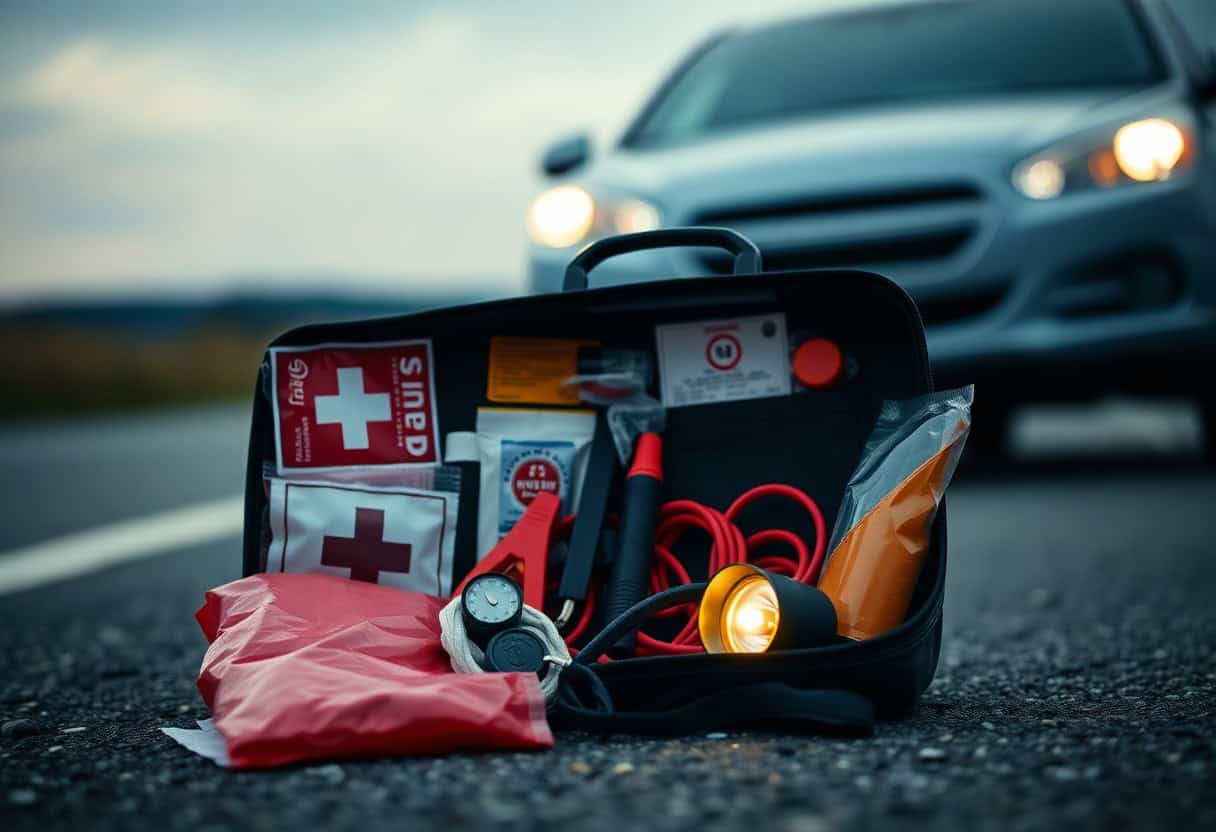
Must-Have Items for Your Car Kit
Creating a comprehensive emergency car kit involves understanding which tools can make the most difference in times of need. The goal is to cover fundamental roadside challenges and ensure safety.
1. Managing Electrical Issues
One of the common causes of vehicle breakdowns is battery failure. Having equipment to handle this scenario is vital for all drivers. Jumper cables are fundamental for reviving a dead battery. Ensure the cables are heavy-duty, with insulated clamps and at least 10 feet long, to give you the flexibility to connect batteries in different positions.
A more modern solution is the portable jump starter, which doesn't require a second vehicle. These compact devices are convenient, especially in remote locations. They must be kept fully charged to function effectively. The choice between the two depends on personal preference and the type of driving routes commonly taken.
| Item | Description | Purpose/Use | Recommended Features |
|---|---|---|---|
| Jumper Cables | Heavy-duty cables with clamps | To jump-start a dead car battery | At least 10 feet long, insulated clamps |
| Flashlight | Battery-powered portable light | To provide illumination during dark conditions | LED light, waterproof, with extra batteries |
These tools are indispensable for electrical problems and poor visibility, ensuring you're never left in the dark figuratively or literally.
2. Overcoming Tire Troubles
Flat tires are inevitable, but they shouldn't halt your journey. Instead of solely relying on a spare, which might not be available in all cars, stock a tire repair kit. These kits typically include tools like plugs, sealants, and a pressure gauge. They allow small punctures to be temporarily fixed so you can drive to a repair shop without changing the tire immediately.
Moreover, a portable inflator is crucial. After addressing the puncture, it re-inflates the tire, restoring your ability to drive safely to a service station. Knowing how to use these tools before a crisis strikes ensures you remain calm and capable when the unexpected happens.
3. Safety and Visibility
When stranded on a busy road or during adverse weather, ensuring other drivers can see your stopped vehicle is crucial. Reflective triangles or flares are standard equipment to alert passing vehicles and are typically placed at varying distances to increase visibility from afar.
A reliable flashlight with extra batteries is also vital, providing necessary light for night-time repairs or when you need to signal for help. Look for waterproof designs and LED lighting for durability and brightness. As technology evolves, flashlights with mountable features or magnetic bases are increasingly available, offering hands-free operation.
4. First Aid and Personal Safety
A well-stocked first aid kit is non-negotiable. It should contain not just the basics like bandages and antiseptic wipes but also pain relievers, gauze pads, and necessary personal medications. It is advisable to include a small first-aid manual for emergencies requiring careful medical response. For personal safety, learning basic first-aid skills could be life-saving.
In colder climates or during frigid nights, a thermal blanket offers essential warmth. Compact and lightweight, these blankets are made from heat-retaining material perfect for storing in vehicles, providing comfort and reducing shock risks if stranded without any other shelter.
| Item | Description | Purpose/Use | Recommended Features |
|---|---|---|---|
| First Aid Kit | Collection of medical supplies | To treat minor injuries or provide emergency care | Include bandages, antiseptic wipes, scissors, gloves |
| Blanket | Thermal or emergency blanket | To provide warmth if stranded or during cold weather | Compact, lightweight, heat-retaining material |
5. Essential Tools and Maintenance
Your kit should also incorporate basic hand tools like screwdrivers, pliers, an adjustable wrench, and duct tape, useful for quick mechanical fixes or adjustments. These tools equip you to handle minor repairs yourself, delaying—or ideally preventing—professional intervention.
In crafting your kit, prioritize durability and versatility. Opt for tools with ergonomic designs, ensuring ease of use. When space is limited, select compact versions or multi-tools that consolidate multiple functions.
Regular maintenance of your car kit is crucial. Check items periodically for expiration, functionality, and adequacy related to seasonal needs. This proactive approach ensures that, when necessity strikes, your kit will be ready to serve its purpose effectively.
Overall, constructing an effective emergency car kit involves thoughtful selection and consistent upkeep. By focusing on quality essentials tailored to your particular driving habits and vehicle type, you're committing to enhanced safety and peace of mind on every journey.
Question and Answer
-
What are the benefits of having jumper cables in your car emergency kit?
Jumper cables are essential for restarting a vehicle with a dead battery, one of the most common roadside issues. They allow you to connect your car's battery to another vehicle's battery, providing the power needed to start your engine. This tool is especially useful in remote areas where roadside assistance may not be readily available. It's important to ensure that the jumper cables are compatible with your vehicle's battery size and to familiarize yourself with the proper safety procedures for using them. -
Why is a flashlight considered a crucial item in an emergency car kit?
A flashlight is crucial for dealing with emergencies that occur at night or in low-light conditions. It provides visibility for tasks such as changing a tire or checking under the hood. A high-quality flashlight with a long battery life can also be used to signal for help if needed. For added convenience, consider a headlamp, which allows for hands-free operation, making it easier to work on your vehicle. -
How can a first aid kit be effectively utilized in roadside emergencies?
A first aid kit can address minor injuries sustained during a roadside emergency, such as cuts, scrapes, or burns. It should contain essentials like bandages, antiseptic wipes, pain relievers, and gauze pads. Having a well-stocked first aid kit allows you to provide immediate care, which can prevent injuries from worsening and stabilize the injured until professional medical help arrives. Learning basic first aid skills is recommended to maximize the kit's effectiveness. -
What role does a tire repair kit play in ensuring roadside readiness?
A tire repair kit allows drivers to temporarily fix a flat tire caused by minor punctures. It typically includes tire plugs and tools to seal the hole, as well as a portable tire inflator to restore air pressure. This can be a quicker and easier solution than changing a tire, enabling you to reach a service station for a permanent repair. Understanding how to use these tools before an emergency occurs is crucial to their effective deployment. -
Why is it advisable to include a blanket in your car's emergency kit?
A blanket is a versatile item that can provide warmth if you're stranded in cold conditions, which is especially important in winter or during nighttime breakdowns. It can also be used as a cushion or a makeshift shelter in various situations. Having a blanket on hand ensures comfort and safety, reducing the risk of hypothermia in cold weather emergencies.