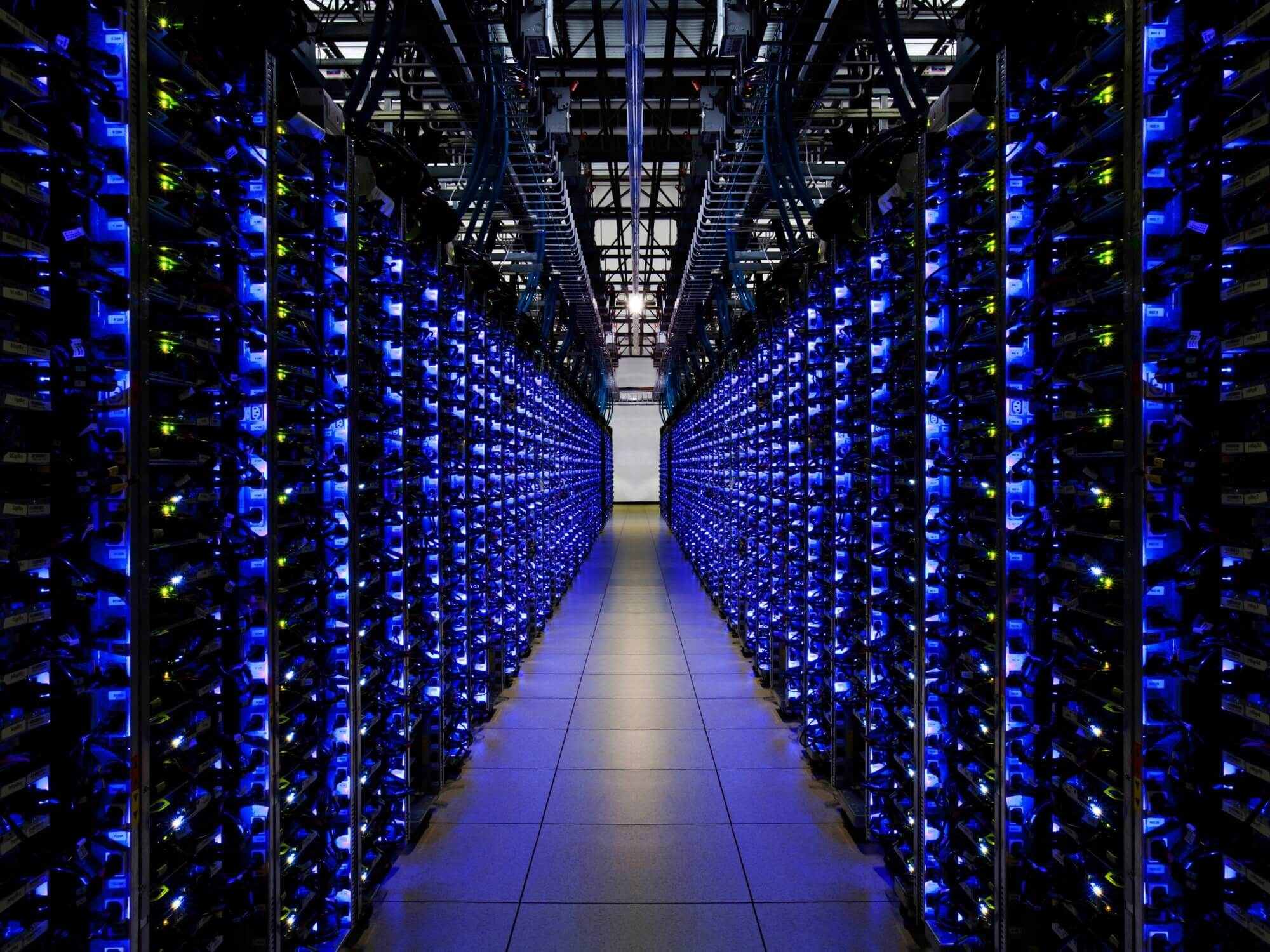
Harnessing AI for Predictive Maintenance and Operational Efficiency
The realm of digital infrastructure is rapidly evolving with the adoption of artificial intelligence. By integrating these advanced technologies, the efficiency and reliability of data centers can be significantly enhanced. An innovative method to achieve this is through predictive maintenance, which not only optimizes operations but also prolongs the functional lifespan of core data center equipment.
Understanding and Implementation of Predictive Maintenance
Predictive maintenance leverages the prowess of AI, IoT, and machine learning to keep a vigilant eye on the status of data center equipment. This constant surveillance enables the anticipation of potential technical problems before they lead to failures. By foreseeing these issues, maintenance activities can be conducted preemptively, minimizing downtime and maximizing the durability of critical components. This paradigm shift from reactive to proactive maintenance strategies marks a significant advancement in data center management.
AI's Role in Anomaly Detection
AI-driven systems are exceptionally proficient in detecting anomalies within the functioning of data center components. Through scrutinizing extensive datasets from sensor technologies and real-time monitoring tools, AI identifies irregular patterns indicating potential malfunctions. This early anomaly detection facilitates timely interventions, thus preventing minor issues from escalating into major operational disruptions. Consequently, the consistency and reliability of data center services are significantly enhanced.
Benefits and Real-World Application
The tangible benefits of AI-driven predictive maintenance are manifold. It effectively reduces downtime, enhances operational efficiency, and extends equipment lifespan. By transforming maintenance into a data-centric and proactive process, data centers can offer improved service reliability and higher customer satisfaction. Advanced technologies are not merely theoretical; they are being integrated into real-world operations, resulting in smoother, more dependable data services.
Strategic AI Infrastructure Investments
To support the increasing demand for AI capabilities, significant investments are being made in AI infrastructure, specifically within data centers. These investments bolster predictive maintenance capabilities and enhance overall operational efficiency. The development of GPU-optimized facilities highlights this trend, supporting the burgeoning demands of AI-centric applications.
The Cooling Revolution: Embracing Sustainable and Efficient Systems
With the rise in computational power and operational demands, data centers are generating more heat than ever before. Traditional cooling systems are struggling to keep up with this demand, leading to the necessity for more advanced and efficient cooling techniques. Emerging cooling technologies offer promising avenues to address these challenges, ensuring sustainable and efficient data center operations.
The Transition to Liquid Cooling Systems
The undeniable necessity for effective cooling strategies has ushered in the advancement and adoption of liquid cooling systems. These systems, which include liquid immersion cooling, are designed to dissipate high heat loads effectively and efficiently. By directly cooling the equipment using liquid-based systems, these technologies provide substantial energy savings and improve the overall thermal management within data centers.
Embracing Sustainable Cooling Practices
Beyond mere energy efficiency, advanced cooling technologies play a pivotal role in promoting sustainability within data centers. As seen with examples like Amazon Web Services, the strategic implementation of liquid cooling can substantially reduce carbon footprints. By facilitating higher server densities without compromising operational integrity, these technologies ensure that data centers can expand their capabilities while adhering to environmental responsibilities.
Streamlining Power Management for Optimal Efficiency
Drawing the connection between power usage and efficiency is critical in the modern context of data centers. Efficient power management not only conserves resources but also enhances the overall performance and reliability of data center operations. This section delves into the strategic methodologies for optimizing power utilization in these pivotal infrastructures.
AI-Enabled Power Management Solutions
AI plays a fundamental role in optimizing power consumption within data centers. By dynamically adjusting energy allocation based on real-time needs and operational conditions, AI solutions enhance energy efficiency and reduce unnecessary expenditures. This dynamic management ensures a balance between resource utilization and operational performance, ultimately fostering a more efficient and sustainable environment.
Facilitating Flexibility and Grid Stability
The integration of AI-powered orchestration platforms offers data centers the capability to shift workloads in response to renewable energy availability actively. This strategy significantly contributes to grid stability by aligning data center energy consumption with sustainable power sources. It also enhances flexibility, allowing for better adaptation to fluctuating energy demands.
Leveraging Renewable Energy for Power Management
The progressive shift towards renewable energy sources provides an ideal opportunity to reduce reliance on traditional energy grids. Solar, wind, and other renewable energies are being increasingly integrated into data center operations, offering both environmental benefits and improved energy security. The focus on developing self-sufficient energy sources ensures that data centers are not only efficient but also resilient to external power supply challenges.
From Energy Considerations to Ensuring Security: A Holistic Approach
While energy efficiency and innovation are fundamental, robust security measures remain paramount for protecting data center operations and sensitive information. Ensuring security across both the digital and physical dimensions is crucial for maintaining trust and operational integrity within data centers.
Digital Security in the Age of Advanced Technologies
As data centers become more sophisticated and embedded with AI technologies, the threat landscape evolves correspondingly. Comprehensive digital security measures, including advanced threat detection and response systems, are essential to counteract emerging cyber threats. Implementing these technologies ensures safe and secure data handling, safeguarding sensitive and critical information.
Implementing Comprehensive Physical Security Measures
Beyond digital precautions, data centers must equally prioritize physical security. Advanced access control measures, such as biometric authentication and continuous surveillance, play a crucial role in preventing unauthorized access and ensuring physical safety. These measures build a robust, multi-layered security framework that protects both the physical infrastructure and the sensitive data it houses.
Achieving Sustainability Through Secure and Efficient Practices
Sustainability and security are interconnected goals in the data center realm. Implementing secure practices not only protects crucial assets but also contributes to the broader aims of sustainability. By optimizing operations and integrating renewable energy solutions, data centers can achieve security goals while minimizing their environmental footprint, thus contributing positively to the global sustainability agenda.
In conclusion, the evolution of data centers is spearheaded by a convergence of efficiency, security, and sustainability. By adopting cutting-edge technologies and strategic innovations, data center operators can ensure their infrastructures remain robust, resilient, and ready to meet the ever-growing demands of the digital world. As we navigate these transformative advancements, the balanced integration of technology and environmental responsibility will define the future trajectory of data centers globally.
Q&A
-
What are the primary cooling systems used in data centers to enhance efficiency?
Data centers typically use a variety of cooling systems to maintain optimal temperatures and enhance efficiency. The most common systems include chilled water systems, direct expansion (DX) units, and liquid immersion cooling. Chilled water systems circulate cold water to absorb heat, while DX units use refrigerant-based cooling. Liquid immersion cooling involves submerging servers in a non-conductive liquid to efficiently dissipate heat. Each system is chosen based on the data center's specific needs, climate, and energy efficiency goals.
-
How does power usage impact the operational costs of data centers?
Power usage is a significant factor in the operational costs of data centers. The energy required to run servers, cooling systems, and other infrastructure can account for a large portion of a data center's expenses. Efficient power management strategies, such as utilizing renewable energy sources and optimizing server workloads, can help reduce these costs. Power Usage Effectiveness (PUE) is a key metric used to assess a data center's energy efficiency, with a lower PUE indicating more efficient use of power.
-
What role does server management play in cloud hosting environments?
In cloud hosting environments, server management is crucial for ensuring reliable performance, scalability, and security. Effective server management includes tasks such as monitoring server health, performing regular updates, managing resources, and implementing security protocols. Automated tools and platforms can assist in these tasks, allowing for better allocation of resources and minimizing downtime. This, in turn, enhances the overall user experience and reduces operational complexities.
-
How can security be enhanced in data centers to protect sensitive information?
Enhancing security in data centers involves multiple layers of protection. Physical security measures such as controlled access, surveillance cameras, and biometric authentication are essential. Additionally, implementing robust cybersecurity measures like firewalls, intrusion detection systems, and encryption can protect data from unauthorized access. Regular security audits and compliance with industry standards also play a vital role in maintaining a secure data environment.
-
What strategies can be employed to improve the efficiency of cloud hosting services?
Improving the efficiency of cloud hosting services can be achieved through several strategies. These include optimizing resource allocation using virtualization and containerization technologies, implementing load balancing to distribute workloads evenly, and utilizing auto-scaling features to adjust resources based on demand. Additionally, adopting energy-efficient hardware and leveraging machine learning for predictive analytics can further enhance the efficiency and sustainability of cloud hosting services.