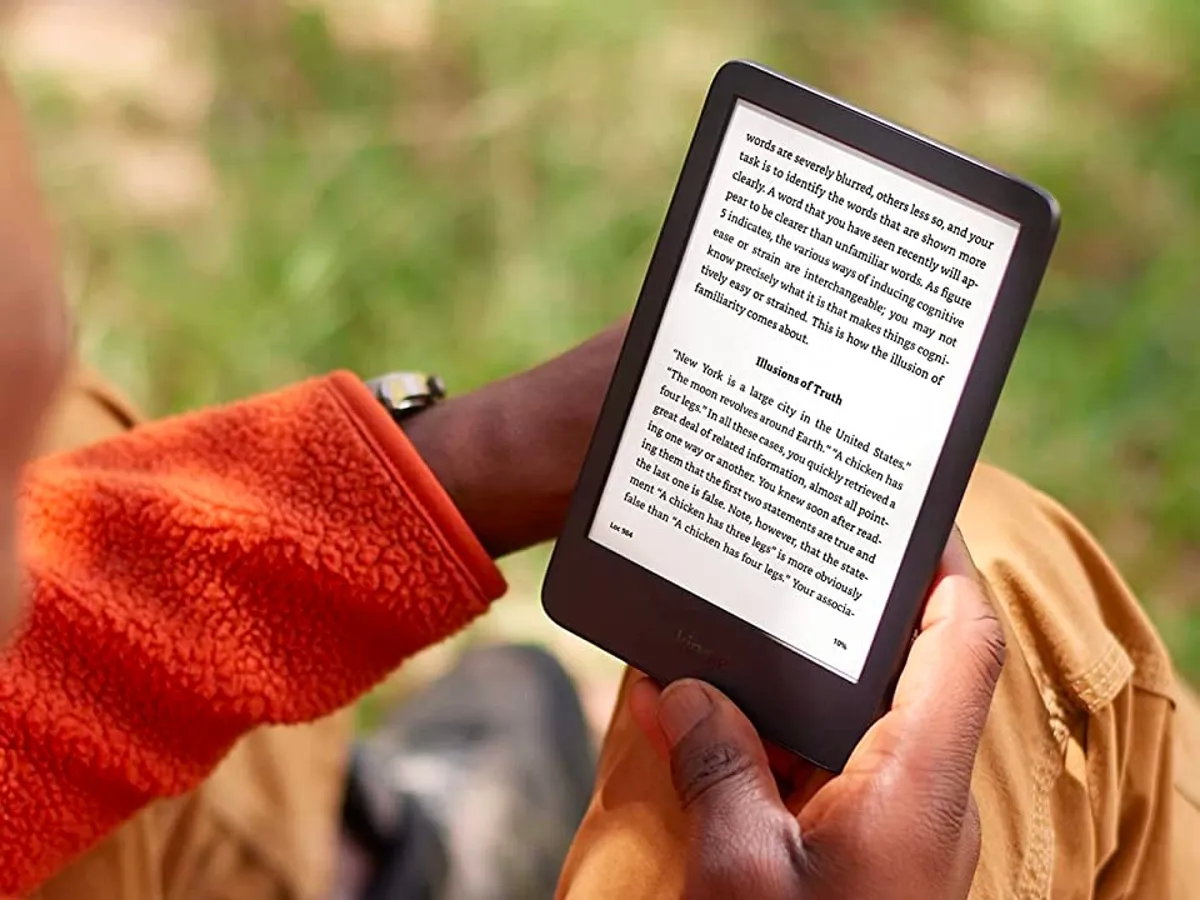
A New Era of Reading: Embracing the Digital Page
E-readers have truly changed the literary landscape, offering convenient, portable solutions that transform how we interact with books. These devices bring new dimensions to reading through accessibility and endless content possibilities.
Crafting Your Personalized Library
E-readers allow you to carry entire libraries in the palm of your hand. With compatibility across numerous file formats, adding digital books is as easy as downloading a favorite title. The ability to purchase, organize, and carry libraries of books is revolutionary for readers who appreciate accessibility and variety.
Imagine never being without a book because your collection is embedded in a device that fits neatly in your bag. As you curate your digital shelves, most e-readers provide tools to organize by genre, author, title, or reading status. This meticulous management not only makes discovering and revisiting books a delight but also ensures that each reading session begins seamlessly.
Enhancing the Reading Experience
Beyond mere storage, personalization is key with e-readers. You can modify font sizes, styles, and brightness to create a personalized reading environment that caters exclusively to your tastes. These settings are particularly useful for accommodating various needs, including those of visually impaired users.
The interactive tools built into e-readers—such as dictionaries and note-taking features—also enhance reading comprehension and engagement. With these features, exploring complex words becomes effortless, and thoughts about text can organically unfold on the screen. This level of interactivity not only enriches the reading experience but also encourages active engagement with the material, making learning and leisure reading experiences more fruitful.
Digital Libraries in Your Hands
The advent of digital libraries marks another groundbreaking shift in how we consume and access literature. The vast access these libraries provide is reshaping knowledge sharing and availability.
Democratizing Knowledge
Digital libraries compile immense collections of e-books, from bestsellers to niche scholarly works, often surpassing what physical libraries can stock. For researchers and knowledge seekers, digital access means no longer being confined by geography or limited by physical space.
Furthermore, the availability of rare or out-of-print titles in digital format addresses previous access limitations. These developments democratize learning and inform a broad audience, regardless of physical constraints.
Breaking the Accessibility Barrier
Accessibility is magnified through the features of a digital library. Not only are the books widely available, but they also cater to diverse readers. Adjustable fonts, text-to-speech, and backlighting provide adaptable settings for easy reading across various needs, including those who require text-to-audio conversion.
Analyzing the Shift
Historians and literary analysts note the shift from physical to digital reading as a move towards unprecedented convenience. The table above highlights how e-readers' portability and extensive battery life support this revolution. The eco-friendly nature provides an additional argument for the widespread adoption of digital libraries as a sustainable alternative.
From Bookworm to Byte: Navigating the Shift
Choosing between physical books and e-readers taps into both emotional and practical considerations, drawing lively debates among readers. Let’s navigate these transitions and weigh their implications.
Embracing Technology Without Losing Tradition
Many nostalgically cling to the sensory joy of flipping through physical pages—the aroma of the paper and the thrill of discovering a well-crafted cover. This emotional attachment remains a strong presence in the battle between tradition and technology. However, embracing digital alternatives needn't exclude traditional forms.
Coexistence of Formats
Effective readers amalgamate both the digital and the traditional, using each for its strengths. E-readers are ideal for travel and immediate accessibility, while physical books provide tactile enjoyment and permanence. As more people appreciate both forms, the industry itself offers editions across platforms, catering to hybrid readers.
Balancing Needs
Ultimately, the future of reading involves dynamic coexistence, balancing initial technological appeal with sustainable practices. Readers’ preferences will continue to guide the literary market, blending the best features of both worlds in harmony.
In embracing e-readers, we open doors to modern-reading convenience while preserving literature's evocative power across generations.
Question and Answer
-
What advancements in display technology have improved the e-reading experience?
Recent advancements in display technology, particularly in E-Ink screens, have significantly enhanced the e-reading experience. E-Ink displays mimic the appearance of ink on paper, providing a comfortable reading experience with minimal eye strain. Improvements in contrast and resolution have made text sharper and clearer, allowing for longer reading sessions without discomfort. Additionally, emerging technologies like microLED and flexible screens promise even better contrast, color accuracy, and durability, potentially offering foldable and more portable e-reader designs in the future.
-
How do e-readers offer enhanced accessibility for visually impaired users?
E-readers are equipped with several features that enhance accessibility for visually impaired users. These devices typically allow for adjustable font sizes and styles, enabling users to customize text for better readability. Many e-readers also include text-to-speech functions, allowing users to listen to books if reading visually is challenging. The adjustable backlighting and contrast settings help create a comfortable reading environment in various lighting conditions, making e-readers an inclusive option for all readers.
-
What are the environmental benefits of using e-readers compared to traditional books?
E-readers offer several environmental benefits over traditional books. They eliminate the need for paper, reducing deforestation and the environmental impact associated with book production. The digital nature of e-books also means they don't require physical transportation, thus reducing carbon emissions associated with shipping and distribution. Although manufacturing e-readers has an initial environmental footprint, the long-term reduction in paper use and transportation emissions can make them a more sustainable choice for avid readers.
-
In what ways can e-readers be personalized to improve the reading experience?
E-readers provide a highly personalized reading experience through various customizable features. Users can adjust font size, typeface, and background lighting to suit their preferences and reading conditions. Many e-readers also offer interactive features such as highlighting, note-taking, and built-in dictionaries, allowing readers to engage deeply with the text. These personalization options enhance comfort and make reading more engaging, especially for those with specific visual needs or who enjoy annotating their books.
-
What role do digital libraries play in the e-reader revolution?
Digital libraries play a crucial role in the e-reader revolution by providing vast collections of e-books that can be accessed from anywhere with an internet connection. They offer a broader range of titles than traditional libraries, including rare or out-of-print books, thus democratizing access to information and empowering readers worldwide. E-readers serve as essential tools for connecting users to these digital resources, making literature more accessible and convenient for diverse audiences.