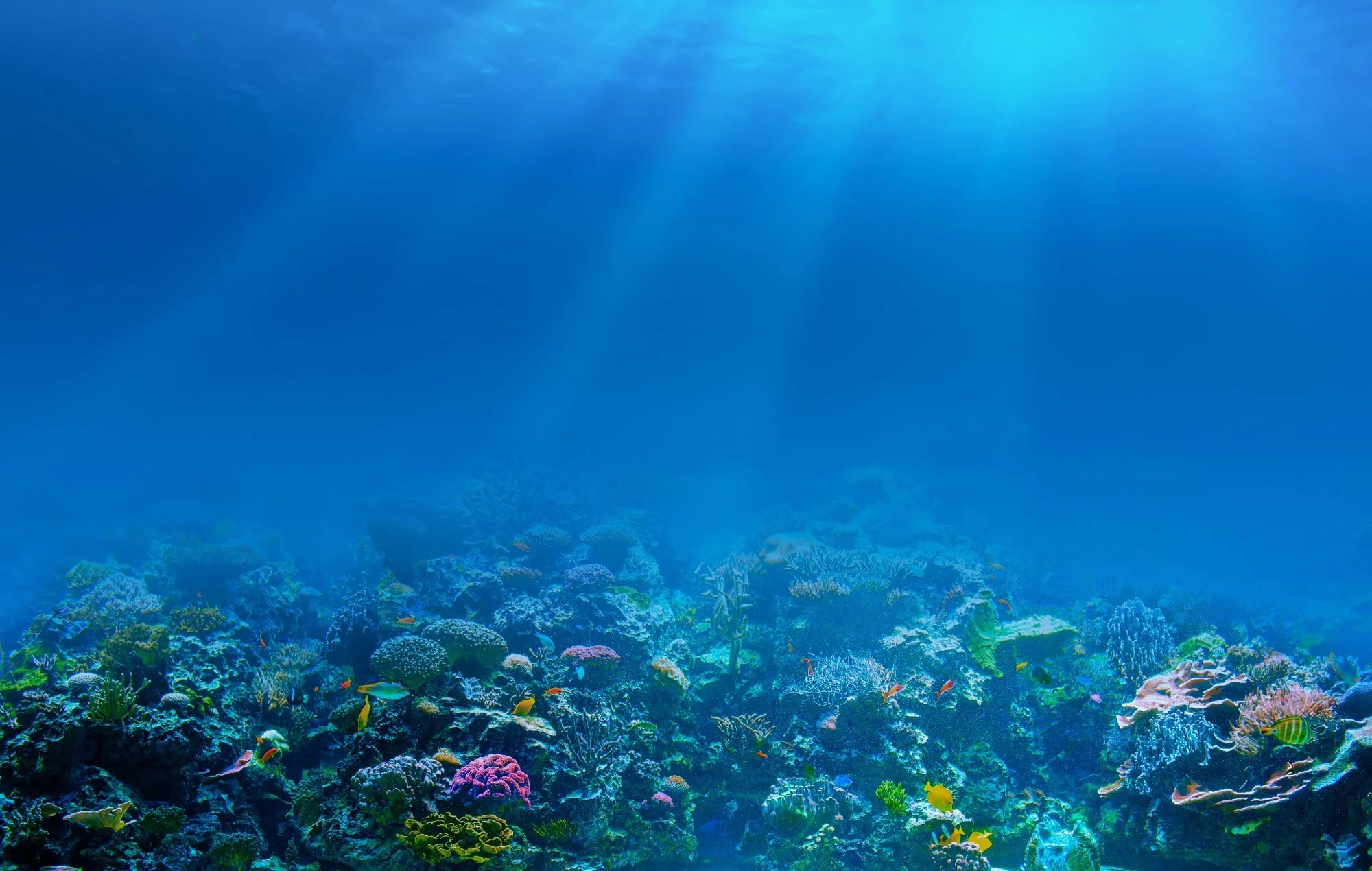
Tiny Powerhouses: Essential Players in Ocean Functioning
Marine microbes, though invisible, are crucial to the survival and health of oceanic environments. These microscopic organisms orchestrate significant processes that maintain life's balance beneath the waves.
The Foundation Below: Role of Plankton in Marine Webs
Plankton is fundamental to the marine food web. These tiny organisms, ranging from phytoplankton to small animals like zooplankton, feed countless marine creatures, from small fish to massive whales. Phytoplankton uses photosynthesis to convert sunlight and carbon dioxide into energy, forming the primary food source for marine life. This process not only supports other ocean species but also plays a pivotal role in global carbon regulation.
Marine microbes aid in harnessing energy from the sun, thus forming the base of aquatic ecosystems. They influence the oceanic carbon cycle, effectively storing carbon in deep waters when plankton die and sink. Such activities are vital in sequestering atmospheric carbon, impacting global climate regulation. Diverse microbial communities interact with plankton, influencing their growth and the availability of nutrients, thereby maintaining ecosystem productivity.
Strategies of Survival: Marine Viruses' Regulatory Roles
Marine viruses, though often dreaded in terrestrial contexts, are essential in oceanic realms. They regulate microbial populations by infecting and lysing certain cells, which impacts microbial community structures and nutrient availability. This viral mediation ensures healthy turnover in microbial populations, preventing any single group from overwhelming the ecosystem. This check and balance mechanism maintains biodiversity and ecological stability.
Viruses play a subtle yet significant role in biogeochemical cycles. By breaking down cells, they release vital nutrients back into the environment, enhancing nutrient cycling. This ensures the continuous availability of essential elements like nitrogen and phosphorus, which are critical for supporting various forms of marine life. Understanding the dynamics of viral interactions with marine microbes is crucial to grasping how oceanic ecosystems function effectively.
Vital Contributors: Deep-Sea Bacteria in Biogeochemical Cycles
Deep-sea bacteria are pivotal to biogeochemical processes. Residing in the ocean's dark and high-pressure depths, these microbes thrive in extreme conditions and contribute significantly to nutrient cycles. They mediate chemical processes like chemosynthesis, converting inorganic molecules into energy without sunlight, sustaining life forms around hydrothermal vents. This underpins entire ecosystems in areas where photosynthesis is impossible.
These bacteria facilitate key transformations in carbon, nitrogen, and sulfur cycles. In particular, they participate in breaking down organic materials and recycling nutrients, ensuring long-term storage of carbon in ocean sediments. Their metabolic activities help regulate greenhouse gases like methane, influencing global climate patterns. These unseen workers are fundamental to maintaining the ocean's chemical homogeneity and health.
Illuminating the Depths: Bioluminescent Organisms and Their Functions
Bioluminescent organisms in the ocean, including certain bacteria and plankton, create mesmerizing displays of light. This phenomenon is not merely decorative; it serves multiple ecological functions. Bioluminescence is a strategy for survival, aiding in attracting mates, deterring predators, and luring prey. The light emitted is a result of biochemical reactions, notably involving an enzyme called luciferase.
Marine microbes influencing bioluminescence are integral to marine ecosystems. They enhance survival through camouflage or signaling, adapting to their dark environments where visibility is scarce. This capacity to emit light reflects intricate ecological interactions and evolutionary adaptations, illustrating the complex interrelationships within marine habitats.
Critical Climate Influencers: Microbial Response to Environmental Changes
Environmental stresses, including climate change and pollution, are pressing challenges for marine ecosystems. However, microbes demonstrate resilience and adaptability, playing active roles in responding to these changes.
Resilience in Rising Temperatures: Microbial Adaptability to Warming Oceans
Rising ocean temperatures increase microbial metabolic rates, leading to faster nutrient cycling. This change affects food web dynamics and influences species distributions. Some microbes adapt successfully to such shifts, developing heat-tolerant strategies while others adjust their metabolic pathways.
This adaptability is crucial for maintaining ocean health. Understanding microbial responses to temperature fluctuations helps predict future oceanic changes and develop strategies for preserving marine biodiversity. More in-depth research into microbial heat-resilience is necessary for anticipating ecosystem responses to ongoing climate stressors.
Acidified Waters: Coping Mechanisms of Ocean Microbes
As oceans absorb atmospheric carbon dioxide, they become more acidic, impacting marine organisms. While some cope well, others, particularly those involved in shell formation, face difficulties. Yet, certain microbes show remarkable tolerance, even thriving in these changed conditions. Some bacteria may even use increased ocean carbon dioxide to their advantage, maintaining primary productivity levels.
Assessing microbial responses to acidification provides insights into the ocean's resilience. Understanding these interactions is vital for managing ecosystems under changing pH levels and for mitigating potential disruptions to marine life cycles.
Mitigating Methane: The Role of Methane-Oxidizing Bacteria
Methane-oxidizing bacteria reduce oceanic methane levels, converting them to carbon dioxide—a less potent greenhouse gas. These microbes are crucial in managing greenhouse gas emissions and highlight the potential of microbial processes in environmental conservation efforts.
Methane consumption by these bacteria demonstrates the importance of microbes in climate regulation. Recent studies reveal how these bacteria adapt to changes in methane availability, underscoring their role in the dynamic marine carbon cycle. Enhanced understanding of such microbial processes is essential for future climate strategies.
Complexity Beneath: The Intricate Interactions of Marine Microbes
The vast microbial diversity and interactions are the backbone of marine ecosystems, highlighting the invisible complexity regulating ocean dynamics.
Community Dynamics: Microbial Interactions in Plankton Ecosystems
Microbial communities within plankton ecosystems are intricate and dynamic. They comprise bacteria, viruses, and protists, each contributing to nutrient cycling and the stability of the food web. Bacteria decompose organic matter, recycling nutrients, while viruses maintain ecological balance through population control.
The interactions within microbial communities provide insights into the ocean's overall health and stability. Understanding these dynamics is crucial for predicting ecosystem changes and formulating effective conservation measures.
Unseen Alliances: Symbiosis in Marine Environments
Symbiotic relationships drive nutrient exchanges within marine environments. Microbes often form alliances with larger organisms, producing mutual benefits. For instance, bioluminescent bacteria form symbiotic relationships with sea creatures, enabling communication and predation strategies.
These symbioses illustrate complex adaptations and survival strategies in the ocean. They demonstrate nature's intricate balances, essential for achieving ecological equilibrium and highlighting the importance of microbial diversity.
Conclusion: Unravelling the Ocean's Microbial Mysteries
Marine microbes are the unsung architects of marine life. Their roles, from nutrient cycling to climate regulation, emphasize their importance in sustaining ocean health. Delving into the world of marine microbiology reveals much about Earth's evolving climate systems. Continued research uncovers insights crucial for addressing environmental challenges, ensuring that these invisible architects continue to thrive, maintaining the balance and vitality of our oceans. Exploring these microbial mysteries not only deepens our understanding of marine environments but also aids in developing strategies for global environmental sustainability.
Q&A
-
What role do marine microorganisms play in the ocean carbon cycle?
Marine microorganisms, such as phytoplankton, are fundamental to the ocean carbon cycle. They perform photosynthesis, converting carbon dioxide into organic matter and releasing oxygen. When these microorganisms die, they sink to the ocean floor, sequestering carbon for long periods. This process, known as the biological pump, is crucial for regulating atmospheric CO2 levels and mitigating climate change.
-
How do marine viruses influence plankton ecosystems?
Marine viruses are abundant in plankton ecosystems and play a significant role by infecting and lysing plankton cells. This lysis releases organic matter and nutrients back into the environment, which can be reused by other microorganisms. This process, known as the viral shunt, helps maintain the balance of microbial communities and nutrient cycles in the ocean.
-
What is the significance of bioluminescence in marine organisms?
Bioluminescence is a fascinating adaptation in marine organisms, used for various purposes such as attracting mates, deterring predators, and luring prey. In deep-sea environments, where sunlight is absent, bioluminescence provides a means of communication and survival. It also plays a role in scientific research, as bioluminescent markers help scientists study cellular processes in marine microbiology.