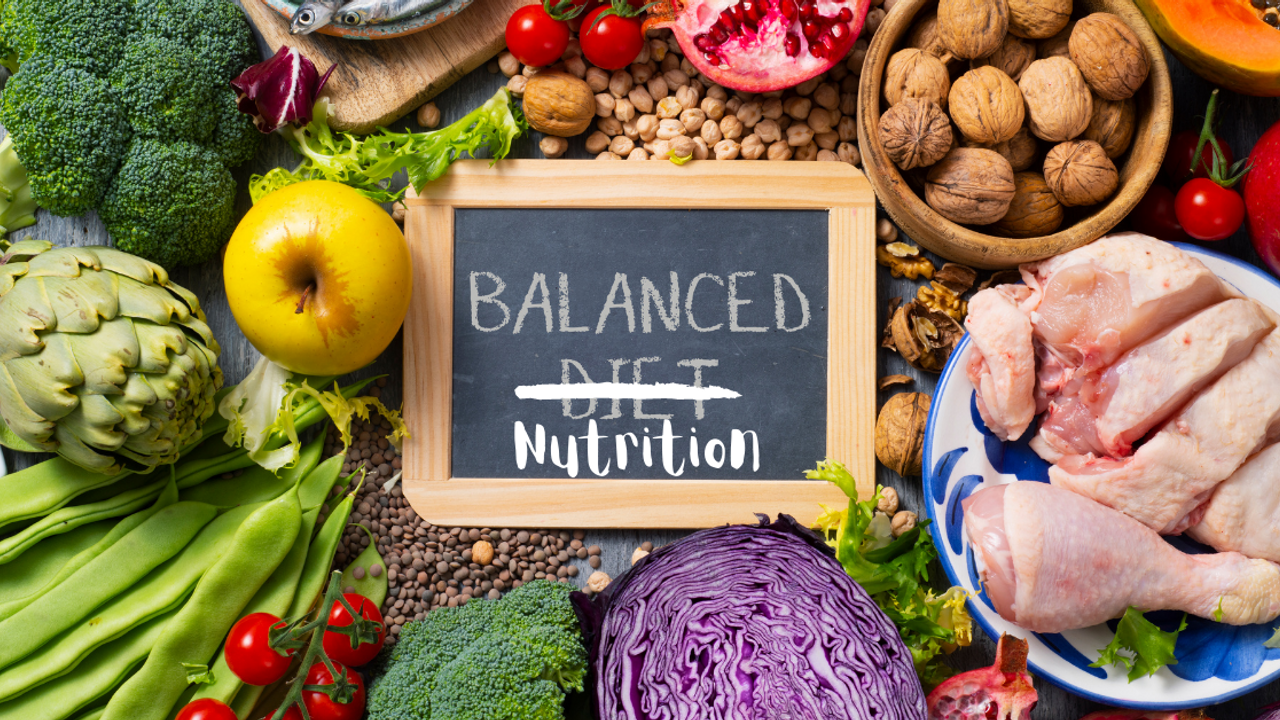
Unlocking the Nutritional Secrets of Pulses
Pulses such as beans, lentils, and chickpeas are not new to the global dietary landscape, yet their significance is continually being redefined within the context of sustainable nutrition. These versatile foods are known for their exceptional nutrient profile and their ability to adapt to numerous culinary settings.
Exploring the Nutrient-Rich Composition
Pulses are celebrated for being an excellent source of plant-based protein, signifying their potential as a sustainable dietary staple. Beyond protein, they are abundant in dietary fiber, which supports digestive health and satiety. Their richness in B vitamins and minerals like iron and zinc makes them invaluable for promoting overall health and preventing deficiencies. The fiber content also plays a crucial role in stabilizing blood sugar levels, making pulses a favorable choice for those managing or preventing metabolic disorders.
The nutrient synergy within pulses can aid in the enhanced absorption of certain vitamins. For example, when paired with vitamin C-rich foods like tomatoes or bell peppers, the non-heme iron from pulses is better absorbed by the body. This interaction exemplifies a natural approach to optimizing nutrient intake through food combinations.
Contributing to Sustainable Diets
In environmental terms, pulses stand out as highly sustainable. They require significantly less water to grow compared to animal protein sources, and their ability to fix nitrogen in the soil enhances soil health and reduces the need for synthetic fertilizers. Incorporating pulses into a diverse diet aligns with global efforts to encourage eating patterns that are both healthful and environmentally friendly. By including a variety of vegetables, whole grains, nuts, and seeds alongside pulses, we contribute to a diet that's balanced both nutritionally and ecologically.
Diverse Culinary Applications
Their culinary versatility is another reason for their inclusion in a balanced diet. From soups and stews to salads and snacks, the potential for delicious and satisfying meals with pulses is virtually endless. Roasted chickpeas, lentil soup, or bean chili—each dish brings its own unique blend of flavors and nutrients. By experimenting with these foods, one finds ways to incorporate them daily, ensuring dietary diversity and satisfaction.
Creating Complete Proteins
While pulses are not complete proteins by themselves, when combined with grains like rice or corn, they form a complete protein profile. This concept has been applied in traditional cuisines around the world, highlighting the simplicity and effectiveness of plant-based nutrition. For those following vegetarian or vegan diets, this is an essential strategy to ensure comprehensive amino acid intake.
Synergizing Nutrients for Enhanced Health
Achieving nutritional balance involves more than meeting isolated dietary needs. It's about understanding how nutrients work in concert to support health. By recognizing and utilizing the interactions between vitamins, minerals, and macronutrients, we can craft a diet that fully supports our health objectives.
Embracing Dietary Variety
A varied diet is crucial for obtaining the full spectrum of essential nutrients. Each food group contributes unique nutrients—fruits and vegetables provide vital vitamins and antioxidants, grains contribute energy, while proteins support cellular repair. Ensuring daily consumption from these categories helps cover all nutritional bases, minimizing the risk of deficiency and promoting comprehensive health benefits.
Maximizing Nutrient Interactions
Some nutrient combinations are particularly beneficial due to their synergistic effects. For instance, vitamin C can significantly increase the absorption of iron from plant sources, making combinations like spinach with citrus fruits more effective in preventing iron deficiency. Similarly, vitamin D enhances calcium absorption, underscoring the benefit of consuming these nutrients together through foods such as fortified dairy or greens with fatty fish.
Crafting Balanced Meals
When planning meals, consider how ingredients can be combined to enhance nutrient uptake. A salad with spinach (rich in iron), paired with vitamin C-rich bell peppers and healthy-fat avocados, provides a range of nutrients that support each other’s absorption. Similarly, oatmeal with berries and nuts offers fiber, antioxidants, and healthy fats, creating a well-rounded nutritional profile.
Avoiding Nutrient Depletion
Certain lifestyle factors can hinder nutrient absorption. Processed foods, alcohol, and some medications can interfere with nutrient metabolism. Choosing whole, unprocessed foods helps maintain nutrient integrity and promotes better health outcomes through improved nutrient availability.
Personalized Nutritional Guidance
For those with specific dietary requirements or health concerns, consulting a healthcare professional or nutritionist is advisable. They can offer tailored advice to ensure one's diet optimizes nutrient synergy effectively, supporting long-term health and well-being.
The Interplay of Nutrients in Diverse Diets
Understanding the interplay of proteins, vitamins, and minerals is fundamental in developing a diet plan that supports health. These nutrients work together to maintain body functions, making it essential to integrate them effectively within our meals.
Protein's Multifaceted Role
Protein is indispensable for the body, playing a critical role in building and repairing tissues, enzyme production, and immune function. It comprises various amino acids, some of which are essential, meaning they must be consumed through the diet.
Supporting Nutritional Functions with Vitamins and Minerals
Vitamins and minerals are key players in numerous physiological processes. They enable proteins to perform their roles efficiently—vitamins often function as coenzymes in metabolic reactions, while minerals are crucial for nerve function and bone health.
Cooperative Nutrient Systems
The body's utilization of nutrients is often dependent on other vitamins and minerals. For instance, vitamin B6 is crucial for protein metabolism, while iron is necessary for oxygen transport, which supports energy production from protein and other nutrients. Enhancing dietary intake with such considerations in mind can amplify overall health benefits.
Formulating Effective Diets
To ensure adequate protein, vitamin, and mineral intake, focus on a diverse diet filled with whole, unprocessed foods. Enrich meals with different protein sources, colorful fruits, and a myriad of vegetables to secure a wide array of vitamins and minerals.
Addressing Individual Dietary Needs
Nutrient requirements can vary significantly based on age, gender, activity levels, or health conditions. For example, athletes might need more protein to support muscle growth, while pregnant women might require higher levels of certain vitamins and minerals like folate and iron.
Innovative Approaches to Enrichment and Sustainability
Ensuring widespread access to sufficient vitamins and minerals remains a global challenge, but innovative solutions are enhancing nutrient availability and sustainability, promising healthier, more balanced diets.
Biofortification: Enhancing Crop Nutrients
Biofortification increases the nutrient content of crops during growth, targeting essential micronutrients like iron and vitamin A. This approach ensures communities have access to staple foods with enhanced nutritional value.
Food Fortification: Raising Nutrient Profiles
Adding vitamins and minerals to processed foods during production can raise their nutritional value. This strategy is vital for reaching broad populations, ensuring essential nutrients are consumed through commonly eaten foods.
Advancing Agronomy for Nutrient-Rich Harvests
Improving soil and crop management practices naturally enhances the nutritional quality of food. Techniques like crop rotation and balanced fertilization support sustainable farming while boosting nutrient content.
Educating Consumers on Dietary Balance
Educating consumers ensures they understand the role of nutrition and make informed food choices. Empowered consumers can better manage diversified diets, enhancing their nutrient intake through varied food sources.
Integrated Strategies for Lasting Impact
Combining biofortification, food fortification, improved agronomic practices, and consumer education creates a comprehensive strategy to mitigate nutrient deficiencies, promoting sustained health benefits across communities.
Q&A
-
How does protein intake affect vitamin absorption?
Protein intake plays a crucial role in vitamin absorption as certain vitamins, particularly fat-soluble ones like Vitamins A, D, E, and K, require protein carriers for transport within the body. Adequate protein levels ensure these vitamins are properly absorbed and utilized. Additionally, some amino acids derived from proteins can enhance the absorption of specific vitamins.
-
What are the signs of mineral deficiency and how can it be addressed through diet?
Common signs of mineral deficiency include fatigue, weakened immune function, and brittle hair or nails. To address these deficiencies, incorporating a variety of foods rich in essential minerals such as leafy greens, nuts, seeds, and whole grains can help. A balanced diet that includes a diverse array of food sources ensures adequate intake of minerals like iron, calcium, and magnesium.
-
Why is food diversity important in maintaining a balanced diet?
Food diversity is crucial because it ensures the intake of a wide range of nutrients that a single food item cannot provide. By consuming various foods, individuals can achieve a balanced diet that supports overall health, preventing nutrient deficiencies and optimizing bodily functions. Diverse diets also contribute to better gut health and reduce the risk of chronic diseases.
-
How can nutrient timing enhance the benefits of a balanced diet?
Nutrient timing involves consuming nutrients at strategic times to maximize their benefits, such as eating carbohydrates and proteins around workouts to improve muscle recovery and energy replenishment. Timing the intake of certain nutrients can enhance their absorption and efficacy, supporting metabolic processes and improving overall nutritional outcomes.
-
What strategies can be employed to ensure optimal vitamin and mineral intake?
To ensure optimal vitamin and mineral intake, one should focus on eating a variety of fruits, vegetables, lean proteins, and whole grains. Incorporating fortified foods and considering supplements, if necessary, can also help. Paying attention to nutrient timing and pairing foods that enhance absorption, like vitamin C-rich foods with iron sources, further optimizes nutrient intake.