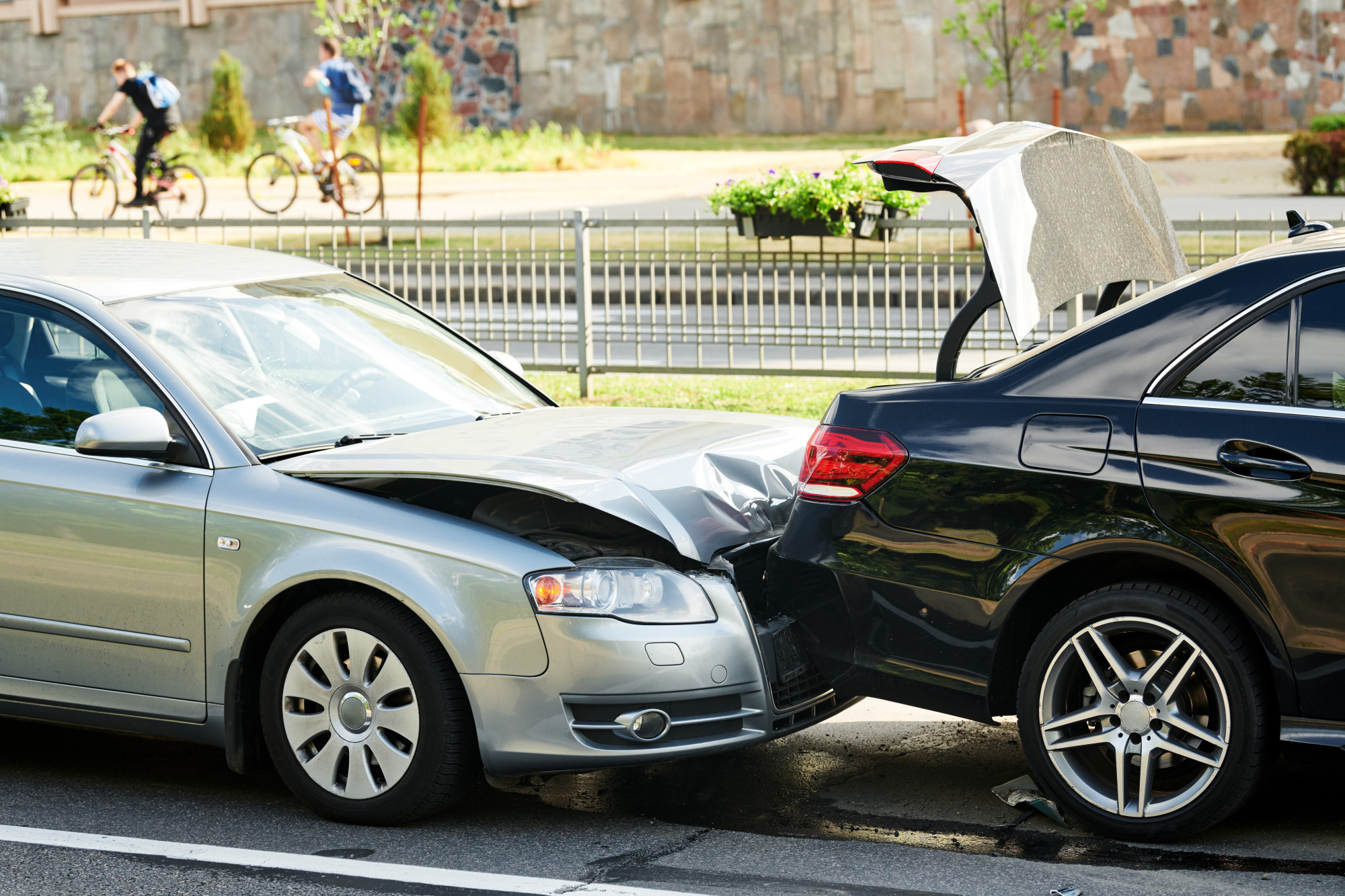
Decoding Initial Priorities: Safety and Evidence Collection
Understanding the immediate steps to take after a car accident is crucial for protecting everyone's safety and supporting future claims or legal actions. This involves ensuring the safety of those involved and collecting necessary evidence promptly.
1. Focusing on Immediate Safety
The first moments after an accident are critical. Prioritizing safety means taking actions that prevent further harm and provide basic protection.
-
Ensure Personal Safety: As soon as it's safe, move yourself and any passengers to a safer location, preferably away from oncoming traffic. Turn on hazard lights and, if possible, move the vehicle off the road. This minimizes the risk of secondary collisions and increases the safety of all involved.
-
Check for Injuries and Call for Help: Evaluate injuries for yourself and others involved. Even if injuries appear minor, contact emergency services for professional medical evaluation. Timely medical intervention can prevent complications from injuries that aren't immediately apparent.
-
Summon Authorities: If there is significant property damage or any injuries, it's crucial to call the authorities. Law enforcement not only provides immediate assistance but also an official accident report, a critical document for insurance and legal processes.
2. Gathering Vital Evidence
In the wake of an accident, gathering evidence is key to building a coherent narrative for insurance companies and potential legal proceedings.
-
Photographic Documentation: Use available devices like a smartphone to capture comprehensive photos of the scene. Focus on vehicle damage, surrounding traffic signs, road conditions, and any visible injuries. These photos serve as vital visual evidence.
-
Collect Witness Testimonies: Engage with bystanders who witnessed the accident. Collect their names and contact information, and if feasible, obtain written accounts of what they saw. These third-party perspectives are invaluable in disputing liability claims if needed.
-
Exchange Information With Care: While interacting with other involved parties, exchange only necessary details such as insurance information and contact numbers. Avoid discussing fault or giving opinions—the less said, the better for later legal and insurance evaluations.
3. Understanding the Role of the Police Report
A police report is more than just paperwork; it is an authoritative account of the incident, capturing critical details that support subsequent proceedings.
-
Official Record Creation: The police report offers a formalized account of the accident, detailing the date, time, location, and parties involved, alongside a narrative of the crash from the officer's perspective. This becomes a pivotal document in claims and legal disputes.
-
Assessing Fault: Insurers often heavily weigh the police officer's assessment of fault when determining liability. Therefore, ensuring accuracy in the report is crucial, as inaccuracies can significantly affect the claim outcome and liability determination.
-
Legally Required Reporting: Many jurisdictions mandate reporting accidents with significant damage or injury to the police. Understanding local laws ensures compliance and the creation of requisite documentation.
Medical Attention: Linking Accidents to Health Outcomes
Seeking medical attention after a car accident is not just a health imperative but also a legal and financial necessity. Timely medical intervention can identify hidden injuries and link them directly to the accident, supporting insurance and legal claims.
1. Recognizing Hidden Injury Risks
Certain injuries common in car accidents might not present immediate symptoms, but they can have serious implications if left untreated.
-
Delayed-Onset Injuries: Conditions like whiplash, concussions, or internal injuries may not be apparent immediately due to adrenaline masking pain. Prompt medical evaluations can uncover these hidden injuries before they worsen.
-
Concussion and Internal Trauma Indicators: Symptoms such as severe headaches, dizziness, confusion, or blurred vision could indicate a concussion. Likewise, watch for signs of internal injuries such as abdominal pain or unusual weakness, which demand immediate medical attention.
2. Importance of Medical Documentation
Creating a medical record immediately following an accident serves as a key piece of evidence linking injuries directly to the incident.
-
Documentation as Evidence: Medical reports chronicle your injuries and treatments. These records substantiate insurance claims and potential legal action, offering a tangible link to the accident.
-
Continuous Monitoring and Record-Keeping: Beyond initial treatment, ongoing documentation of medical visits and assessments ensures a complete record of your recovery process, crucial for long-term claims or settlements.
3. Establishing Causal Links for Claims
Linking injuries to the accident directly impacts the strength of your claim.
-
Direct Correlation of Injury and Accident: The immediacy of a medical check-up establishes a causative link between the accident and sustained injuries, which is critical for convincing insurers or courts of the validity of your claims.
-
Insurance and Legal Implications: Ensuring that all injuries are thoroughly documented can directly influence the compensation you're eligible to receive, covering medical expenses, lost wages, and related damages.
Legal Pathways: From Reporting to Liability Resolution
Once immediate safety and health concerns are addressed, understanding the legal pathways post-accident is essential. This section covers the journey from initial reporting to liability assessment.
1. Legal Obligations and Initial Reporting
Adhering to legal obligations post-accident ensures compliance and aids in establishing a firm foundation for claims and liability determination.
-
Accurate Reporting: Legal systems often mandate the reporting of accidents, especially those involving significant damage or injury. Ensuring that all reports are accurate and submitted promptly can prevent legal complications.
-
Obtaining Police Reports: Post-accident, acquiring a copy of the police report is a critical step. Verifying details and contesting inaccuracies as needed ensures that your side of the event is accurately represented.
2. Determining Liability
Liability determination is a complex process that hinges on a clear understanding of fault, evidence, and often, legal advice.
-
Fault Assessment Tools: Standard considerations include police reports, witness statements, and sometimes accident reconstructions. These tools collectively inform liability assessments.
-
Interaction With Insurance Investigations: Insurers conduct their own investigations to determine fault, often examining the same pieces of evidence but through varying interpretive lenses. Understanding this process can help in anticipating how outcomes are derived.
3. Seeking Legal Assistance
In difficult cases, or where liability is disputed, legal representation can significantly impact the outcome.
-
Role of Attorneys: Lawyers specializing in car accidents can offer critical guidance, ensuring that all evidence is preserved and effectively utilized. They can also advise on settlements and represent you in court if necessary.
-
Improving Outcomes: Experienced legal counsel can navigate complex bureaucracies, argue effectively on your behalf, and strategize best practices for interactions with insurance companies or opposing parties, ultimately aiming for the best possible outcome.
Financial Repercussions: Exploring Costs and Compensation
Understanding the financial terrain of post-accident procedures, from repair costs to compensation claims, is critical for managing and mitigating economic impacts.
1. Evaluating Repair Costs
Repair costs are a significant immediate financial burden following an accident, often influenced by several aspects.
-
Technology and Parts Influence: Today's vehicles incorporate advanced technology, from computer systems to high-tech safety features, increasing repair complexity and cost. Availability of replacement parts also plays a role, with scarcity potentially driving expenses higher.
-
Labor and Assessments: Repair labor costs are escalating as well, reflecting the specialized knowledge required to address the intricacies of modern vehicles. Getting multiple assessments can ensure a fair repair quote.
2. Navigating the Insurance Claim Process
Filing a claim involves several steps and understanding your insurance policy can significantly impact the process.
-
Policy Analysis and Claim Submission: Thoroughly understanding your insurance policy helps in setting realistic expectations regarding the claim. Key elements include understanding coverage limits, deductibles, and procedural requirements.
-
Negotiating a Fair Settlement: Active engagement during the claims process—by providing detailed documentation and exploring negotiation opportunities—can lead to more favorable settlement terms.
3. Compensation and Settlement Strategies
Beyond insurance claims, there may be additional compensation avenues if another party is liable.
-
Liability Considerations: If the accident resulted from another's negligence, pursuing compensation for both economic and non-economic damages through their insurer or legal action may be viable.
-
Legal Aid in Pursuing Compensation: Attorneys can provide valuable assistance in compiling a comprehensive damage report, negotiating with insurers, and pursuing litigation if an acceptable settlement cannot be reached.
Q&A
-
What is the role of a police report in an insurance claim process?
A police report plays a crucial role in the insurance claim process as it provides an official record of the incident. It includes details such as the date, time, location, parties involved, and the officer’s observations. This documentation helps insurance companies assess the validity of a claim, determine fault, and decide on coverage. It can also serve as evidence in legal proceedings if liability is disputed.
-
How can liability impact repair costs after an accident?
Liability determines who is responsible for the damages in an accident. If you are found liable, your insurance may cover the repair costs for the other party’s vehicle, depending on your policy. Conversely, if the other party is liable, their insurance should cover your repair costs. Understanding liability is crucial for negotiating claims and ensuring that repair expenses are properly allocated.
-
What legal processes are involved in disputing an insurance claim?
Disputing an insurance claim typically involves several legal processes. Initially, you may need to file a formal complaint with your insurer and attempt to resolve the issue through negotiation or mediation. If a resolution cannot be reached, the dispute may escalate to arbitration or litigation, where legal representation is often necessary. Understanding these processes helps in effectively navigating disputes and achieving a fair settlement.
-
How do safety measures influence insurance claims and liability?
Implementing safety measures can significantly influence insurance claims and liability. For instance, maintaining a vehicle in good condition and adhering to road safety laws can reduce the risk of accidents, thereby minimizing claims. In the event of an accident, evidence of safety precautions (such as dashcam footage) can help establish liability and potentially lower insurance premiums by demonstrating responsible behavior.
-
Why is it important to accurately estimate repair costs in an insurance claim?
Accurately estimating repair costs is important in an insurance claim to ensure that all damages are covered and properly compensated. An accurate estimate helps prevent disputes over repair expenses and ensures that you receive adequate compensation to restore your vehicle to its pre-accident condition. It is advisable to obtain estimates from multiple repair shops to present a comprehensive and fair assessment to the insurance company.