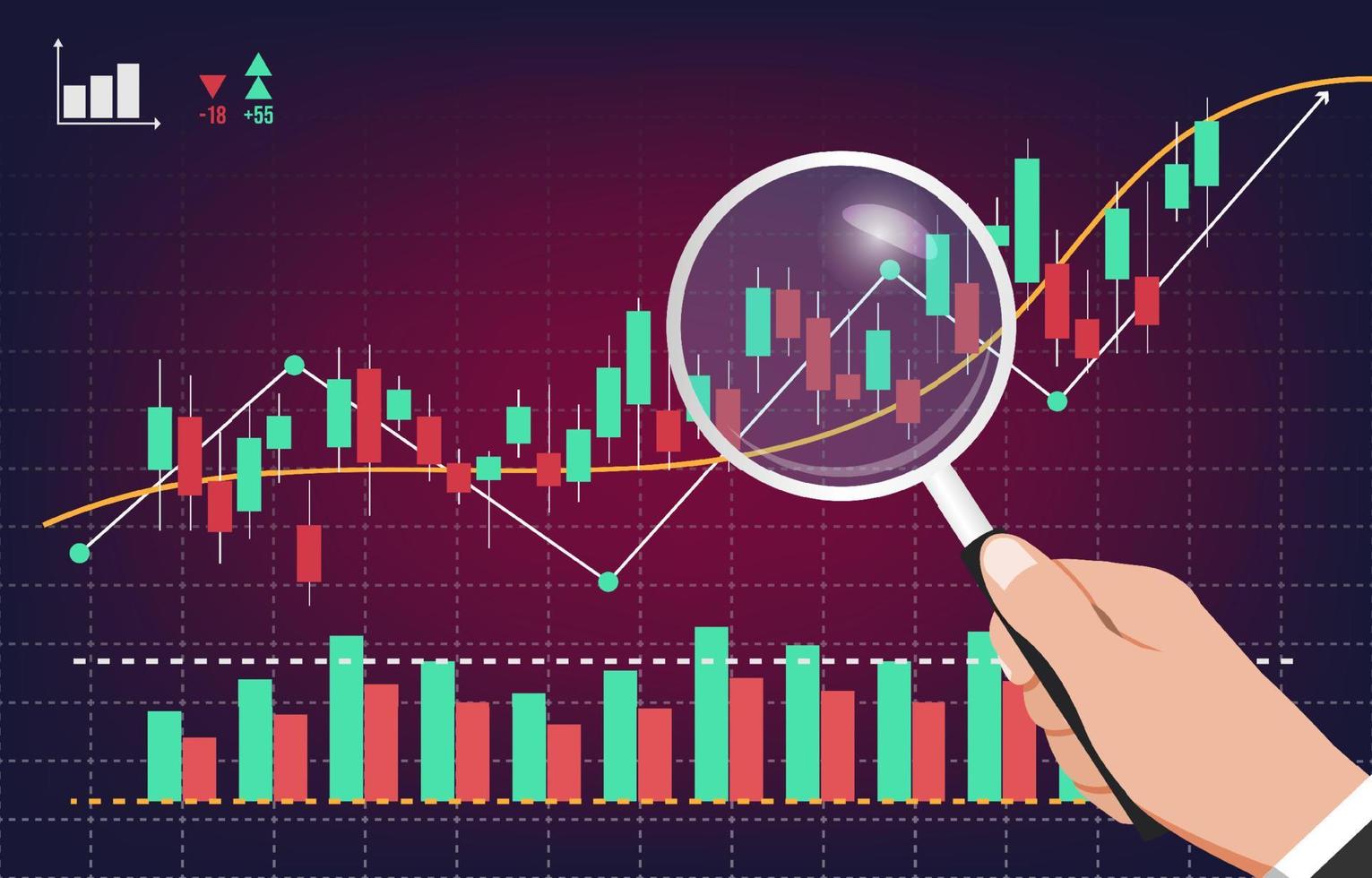
Beyond Numbers: Evaluating Market Dynamics
Analyzing and predicting stock market trends involves more than just numbers. Understanding the factors that influence these trends provides insights that guide investment strategies.
Evaluating Valuation Trends
Mastering Volatility
Volatility, often perceived as uncertainty, presents opportunities for astute investors by enabling informed decisions on risk management and potential gains. The VIX, or volatility index, measures market expectations of near-term volatility, with rising levels typically indicating increased fear or uncertainty and prompting more conservative investment strategies, helping investors anticipate potential market turbulence and adjust plans accordingly. Markets also exhibit varying volatility across sectors and geographies; for example, tech stocks may show higher volatility than utility stocks due to rapid growth and market sentiment, making portfolio diversification essential to mitigate risks associated with high-volatility assets. Additionally, Volatility Surface Modeling offers a deeper understanding of how volatility changes with different option strike prices and expiration dates, allowing for more strategic option trading and aiding traders in projecting potential market moves while assessing implied volatility across diverse scenarios.
Macroeconomic Events and Their Impact
Macroeconomic events have a profound impact on financial markets, shaping investor behavior and overall market sentiment while creating both opportunities and challenges. Economic growth acts as a primary driver of investment strategies, with rapid GDP expansion boosting investor confidence and encouraging riskier investments in cyclical sectors like technology and industrials, whereas slower growth often shifts focus toward defensive sectors such as utilities and consumer staples. Inflation and interest rates further influence market conditions, as rising inflation can erode purchasing power and prompt central banks to raise interest rates, affecting borrowing costs and consumer spending, leading investors to seek assets that hedge against inflation, such as real estate or commodities. Geopolitical events—including trade wars, political instability, and international conflicts—also disrupt markets by affecting supply chains or commodity prices, prompting investors to turn to safe-haven assets for protection against potential downturns. Understanding these macroeconomic dynamics enables investors to adapt to changing market conditions, capitalize on favorable scenarios, and manage risks during periods of heightened volatility.
Practical Approaches to Market Riding
Implementing effective strategies requires not just understanding market structures but also being adaptable to shifts and cycles.
Sector Rotation Strategies
Sector rotation leverages shifts in economic cycles, allowing investors to maximize returns by reallocating assets to sectors positioned for growth, much like adjusting sails to changing economic winds. Success in sector rotation depends on identifying which sectors are likely to benefit from upcoming economic phases; for instance, during economic recovery, consumer discretionary and industrials often lead growth due to increased consumer spending and infrastructure investment, whereas in downturns, healthcare and utilities typically outperform because of their stability. Monitoring economic indicators such as employment data and consumer confidence, along with corporate earnings reports, provides insights into sector-specific dynamics and potential opportunities or risks. Investors can implement sector rotation through diversified ETFs targeting specific industries, offering exposure to broad sector trends without selecting individual stocks, though thorough research and vigilance to changing economic conditions remain essential for effective execution.
Sentiment-Driven Trading
Understanding investor sentiment and its influence on market trends is central to sentiment-driven trading strategies, which use market psychology to guide investment decisions. Social media and news platforms provide real-time indicators that can sway market behavior, with the tone and volume of discussions around stocks and sectors offering insights into prevailing sentiment; employing sentiment analysis tools helps identify bullish or bearish trends early, giving traders a competitive edge. Event Impact Assessment is also crucial, as major corporate announcements, regulatory changes, and geopolitical developments can rapidly shift sentiment and trigger significant price movements, allowing traders to capitalize on short-term opportunities. At the same time, recognizing the limits and biases inherent in sentiment-driven trading is essential, as market sentiment can be irrational or excessively optimistic or pessimistic, potentially causing bubbles or unwarranted sell-offs; integrating sentiment insights with fundamental analysis creates a more balanced and robust trading strategy.
Q&A
-
What is the Price-to-Earnings Ratio and why is it important in stock analysis?
The Price-to-Earnings (P/E) Ratio is a crucial metric used to evaluate a company's stock price relative to its earnings per share (EPS). It is important because it provides investors with a quick snapshot of how much they are paying for $1 of a company's earnings, helping them assess whether a stock is overvalued or undervalued compared to its peers or the broader market.
-
How do market trends influence trading strategies?
Market trends significantly influence trading strategies as they help traders identify the direction in which the market is moving. By understanding whether the market is in an uptrend, downtrend, or sideways trend, traders can adjust their strategies accordingly—choosing to go long, short, or remain on the sidelines. Recognizing trends can aid in timing entry and exit points for trades.
-
What role does Technical Pattern Recognition play in trading?
Technical Pattern Recognition involves identifying specific patterns in price charts that can indicate future market behavior. Traders use these patterns to predict price movements and make informed trading decisions. Patterns such as head and shoulders, double tops, and triangles can provide signals for potential reversals or continuations in the market.
-
Can you explain Quantitative Momentum and its application in investing?
Quantitative Momentum refers to a systematic approach to investing that focuses on stocks exhibiting strong price momentum. By using quantitative models to analyze historical price data and momentum indicators, investors can identify and invest in stocks that are expected to continue outperforming. This strategy relies on the persistence of stock price trends over time.
-
How does Volatility Surface Modeling benefit options traders?
Volatility Surface Modeling is beneficial for options traders as it provides a three-dimensional view of implied volatility across different strike prices and expiration dates. This model helps traders understand how volatility is priced into options, allowing them to better assess risk and make more informed decisions on options pricing and strategy.