Gripping the Road: Uncovering Tire Traction Technologies
The tires on our vehicles are more than mere components; they are the linchpin of safety on the road. A primary factor affecting tire effectiveness is their ability to grip the road. Let's delve into the technologies enhancing tire traction.
1. The Importance of Rubber Compounds
When considering tire performance, one must not overlook the role of rubber compounds. The construction of rubber varies depending on the tire's intended use. Winter tires, for instance, feature softer rubber compounds that stay flexible in colder temperatures, thus ensuring a strong grip on icy roads. Summer tires, conversely, use harder compounds that perform optimally on dry, warm surfaces. All-season tires offer a balanced blend, tailored to perform adequately across various conditions, showing that each compound serves a specific seasonal function efficiently.
2. Tread Patterns and Their Role
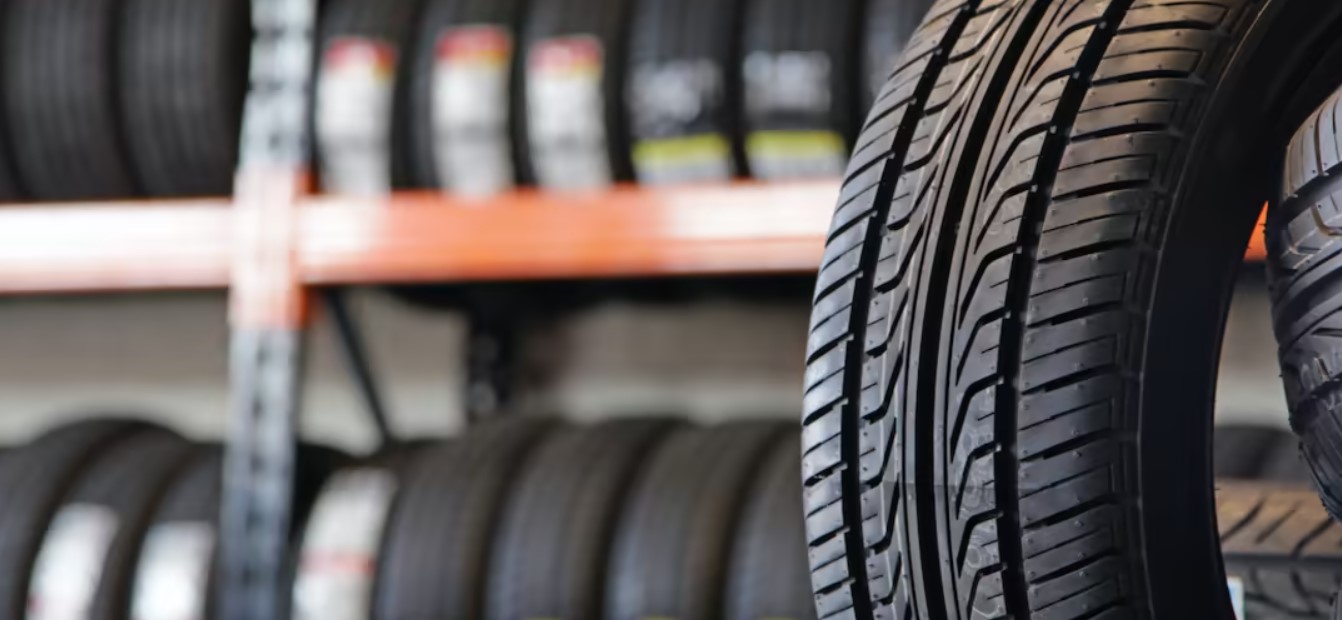
Tread patterns play a pivotal role in tire performance. These patterns consist of grooves and blocks designed to channel away water, snow, and debris, maintaining a solid connection with the road. Tires with a more aggressive tread pattern are typically better suited for wet or snowy conditions, providing better grip and traction. On the other hand, less aggressive tread patterns might offer comfort and reduced road noise on dry surfaces. Tuning the tread pattern suitable to the driving environment can significantly enhance a vehicle's handling and safety.
3. Tiny Cuts, Big Impact
Sipes, those tiny slits in tire tread blocks, prove that size doesn't determine impact. These small features notably increase a tire's grip in icy conditions. By creating more biting surfaces, sipes enhance the tire’s ability to maintain traction. As tires rotate, sipes engage with the road, ensuring maximum surface contact and aiding in water and slush displacement. The design and density of these sipes are crucial in optimizing a tire's performance, particularly in challenging winter weather.
4. All-Season vs. Winter Tires
Selecting the appropriate tire can be likened to choosing the right tool for a job. All-season tires bridge the gap between summer and winter tires by offering balanced performance in moderate conditions. While they cater to varied temperatures, they may not match the specialized grip of winter tires in harsh conditions. Winter tires, designed for extreme cold and icy roads, feature a deeper tread pattern and soft rubber compounds. When situations include significant snow or ice, these tires outperform their all-season counterparts, offering superior safety and control.
5. Emerging Technologies in Traction
Innovation in the tire industry continuously pushes the boundaries of safety and performance. Recently, self-inflating tires and smart sensors have emerged as potential game changers. These tires maintain optimal pressure autonomously and adjust their characteristics according to real-time road conditions. Though still evolving, these technologies present intriguing possibilities for enhancing road safety and vehicle performance, signaling a new dawn in tire design and functionality.
Invisible Guardians: The Role of Tire Pressure Monitoring Systems
Safety systems in vehicles often operate silently in the background, yet are crucial in maintaining optimal driving conditions. Tire Pressure Monitoring Systems (TPMS) are one such integration, acting as vigilant sentinels for tire health.
1. TPMS: A Constant Vigil
Imagine cruising along unaware that a tire is slowly deflating. TPMS functions as an alert system, monitoring tire pressure through sensors within each wheel. These sensors transmit data to your vehicle’s computer and can activate a dashboard warning light when pressure drops. This proactive alert system can prevent dangerous blowouts and maintain steady vehicle performance, particularly vital during dramatic temperature changes.
2. The Importance of Accurate Pressure
Correct tire pressure underpins safety, fuel efficiency, and tire longevity. Underinflated tires are prone to overheating, increasing the risk of vehicular accidents due to blowouts. Additionally, incorrect pressure affects handling and braking, and can significantly reduce fuel efficiency by increasing rolling resistance. Therefore, routine pressure checks align with optimal fuel economy, enhancing both safety and financial savings by prolonging tire lifespan.
3. Addressing TPMS Issues
Like any technology, TPMS isn't infallible. False warnings can occur, often due to sensor failures. If a TPMS alert appears, it's advisable to manually check tire pressure first. Persistent warnings may signal a sensor issue, warranting professional diagnosis and potentially necessary repairs. Periodic sensor calibration and maintenance ensure TPMS reliability, which is pivotal for ongoing vehicle safety.
4. Recalls and Reliability
Manufacturing oversights sometimes necessitate recalls, even in meticulously crafted TPMS systems. Such recalls underscore the importance of ensuring optimal sensor function. These recalls, though infrequent, emphasize the need for driver vigilance and prompt attention to any TPMS alerts to guarantee continued road safety and system reliability.
5. TPMS in the Market
Today’s market offers various TPMS solutions, from dealer-recommended sensors to aftermarket kits, each scoring differently on reliability and compatibility. Consultation with a trusted mechanic ensures the choice of a TPMS that meets your vehicle’s specific needs, offering critical insights into the proactive management of tire health and corresponding vehicular safety.
Navigating Safety: Tire Pressure and Alignment Matters
Critical to the synergy of tires and road safety are tire pressure and alignment. Ensuring these aligns with ideal specifications promises a balanced, problem-free driving experience.
Tire Pressure: More Than Just Air
Proper tire pressure serves as the foundation for vehicle safety and efficiency. Adequately inflated tires ensure optimal contact with the road, improving handling and braking responses. Conversely, underinflated tires increase rolling resistance, negatively affecting fuel economy. Overinflation, however, can lead to uneven wear patterns and a rough ride, stressing the tires' durability. Regular monthly pressure checks, especially before extended journeys, are simple yet effective precautions for sustained vehicle reliability.
Alignment: Keeping You on the Straight and Narrow
Wheel alignment ensures uniformity in tire direction and vehicle stability. Misalignment typically results in uneven tire wear, can cause the vehicle to veer one way, and might interfere with steering performance. Notably, alignment affects fuel efficiency by altering how a vehicle’s energy is used. Whenever irregularities signal alignment issues, consulting a qualified technician is crucial for maintaining optimal vehicular performance and extending tire longevity.
Regular Checks are Key
The integration of regular tire pressure assessments and alignment checks into vehicle maintenance routines is non-negotiable. These small, routine efforts ensure safety, optimize fuel use, and extend the life of your tires, offering peace of mind for every journey embarked upon.
Tire Trends: From Depth to Pressure Precision
As technology advances, tire design continually evolves, prioritizing greater efficiency, safety, and environmental friendliness. Let's explore the latest trends dictating the future of tires.
Advanced Tread Technology
The intersection of innovative tread patterns with emerging materials marks a significant evolution in tire performance. New designs optimize water displacement, reducing hydroplaning risks, while others enhance grip on snow and ice. The use of advanced rubber compounds further heightens durability and resistance to wear, contributing to an extended tire lifespan and enhanced safety across diverse driving conditions.
Smart Tire Technology
The tire industry stands on the cusp of a revolution with smart tire innovations. Incorporating sensors for real-time data on tire condition, these intelligent tires predict and prevent issues that could impact safety and performance. Coupled with onboard vehicle systems, smart tires offer immediate alerts and constant feedback, setting a benchmark for driving safety and efficiency.
Environmentally Friendly Tires
A commitment to sustainability drives the shift towards environmentally considerate tires. This involves exploring renewable materials and technologies that minimize rolling resistance for improved fuel efficiency. Additionally, sustainable practices in manufacturing, coupled with an emphasis on longevity, reduce environmental footprints, aligning the industry with eco-friendly objectives.
Busting Tire Myths: What Every Driver Should Know
Understanding tires demands sifting through pervasive myths and marketing hyperbole. Gaining clarity on these common misconceptions can boost your decision-making clarity and road safety perception.
1. Forged Wheels Are Always Better
Despite the strength and reduced weight associated with true forged wheels, the market is rife with imitations. These lesser-quality look-alikes, often lauded as equivalent, fall short in durability. True forged wheels are crafted via processes that enhance metal strength, whereas knockoffs may compromise structural safety. Thus, ensuring wheel authenticity through thorough verification becomes imperative for safety.
2. Lightweight Wheels Don't Make a Difference
Contrary to popular belief, wheel weight significantly influences vehicle dynamics. Lighter wheels reduce unsprung weight, refining handling, acceleration, and fuel efficiency. Although challenges persist in affordability, light yet effective options exist without the disadvantages offered by heavier counterparts.
3. All Tires Are Created Equal
Generalizations regarding tire equivalence overlook critical variances in construction and performance. Premium tires are engineered for optimized durability, handling, and grip across various environments, surpassing lower-quality alternatives. Rigorous comparisons and informed choices assure safety and enhance the driving experience, confirming the adage that not all tires are created equal.
Question and Answer
-
What are the main differences between all-season and winter tires?
All-season tires are designed to offer a balance of performance in various weather conditions. They have a moderate tread pattern and a rubber compound that remains flexible across a wide range of temperatures. However, while they can handle mild winter conditions, they do not perform as well as winter tires in severe cold, snow, or ice. Winter tires are specifically engineered for harsh winter conditions, featuring a softer rubber compound and a more aggressive tread pattern with a high density of sipes. This design enhances their grip on snow and ice, making them a better choice for areas with severe winter weather.
-
How does tread depth impact tire performance and safety?
Tread depth is crucial for maintaining traction, especially in wet, snowy, or icy conditions. Deeper treads help channel water away from the tire, reducing the risk of hydroplaning. In winter conditions, adequate tread depth ensures the tire can bite into snow and ice, providing better grip. Over time, as tread depth decreases, so does a tire's ability to maintain traction, which can compromise safety. Regularly checking tread depth and replacing tires when they become too worn is essential for safe driving.
-
Why is maintaining proper tire pressure important for vehicle performance?
Proper tire pressure is vital for several reasons. It ensures optimal contact between the tire and the road, enhancing handling and braking performance. Underinflated tires can overheat, leading to potential blowouts, and increase rolling resistance, which reduces fuel efficiency. Overinflation, on the other hand, can cause a harsh ride and uneven tire wear. Regularly checking tire pressure and maintaining it at the recommended level can improve safety, extend tire life, and save on fuel costs.
-
What role does tire alignment play in vehicle safety and performance?
Tire alignment involves adjusting the angles of the wheels to ensure they are parallel to each other and perpendicular to the ground. Proper alignment is crucial for even tire wear, optimal handling, and fuel efficiency. Misalignment can cause uneven tire wear, steering issues, and increased rolling resistance. If your vehicle pulls to one side or the steering wheel vibrates, it may be a sign that an alignment check is needed. Regular alignment checks, especially after hitting potholes or curbs, can enhance driving safety and extend the life of your tires.
-
When should tires be replaced, and what signs indicate replacement is necessary?
Tires should be replaced when the tread depth reaches 2/32 of an inch, as this is the legal minimum in most regions. However, for optimal safety, consider replacing tires at 4/32 of an inch, especially in wet conditions. Other signs that indicate the need for replacement include visible cracks or bulges in the sidewall, persistent vibration while driving, and frequent loss of air pressure. Regularly inspecting tires for these signs and replacing them when necessary can prevent accidents and ensure a smooth, safe driving experience.