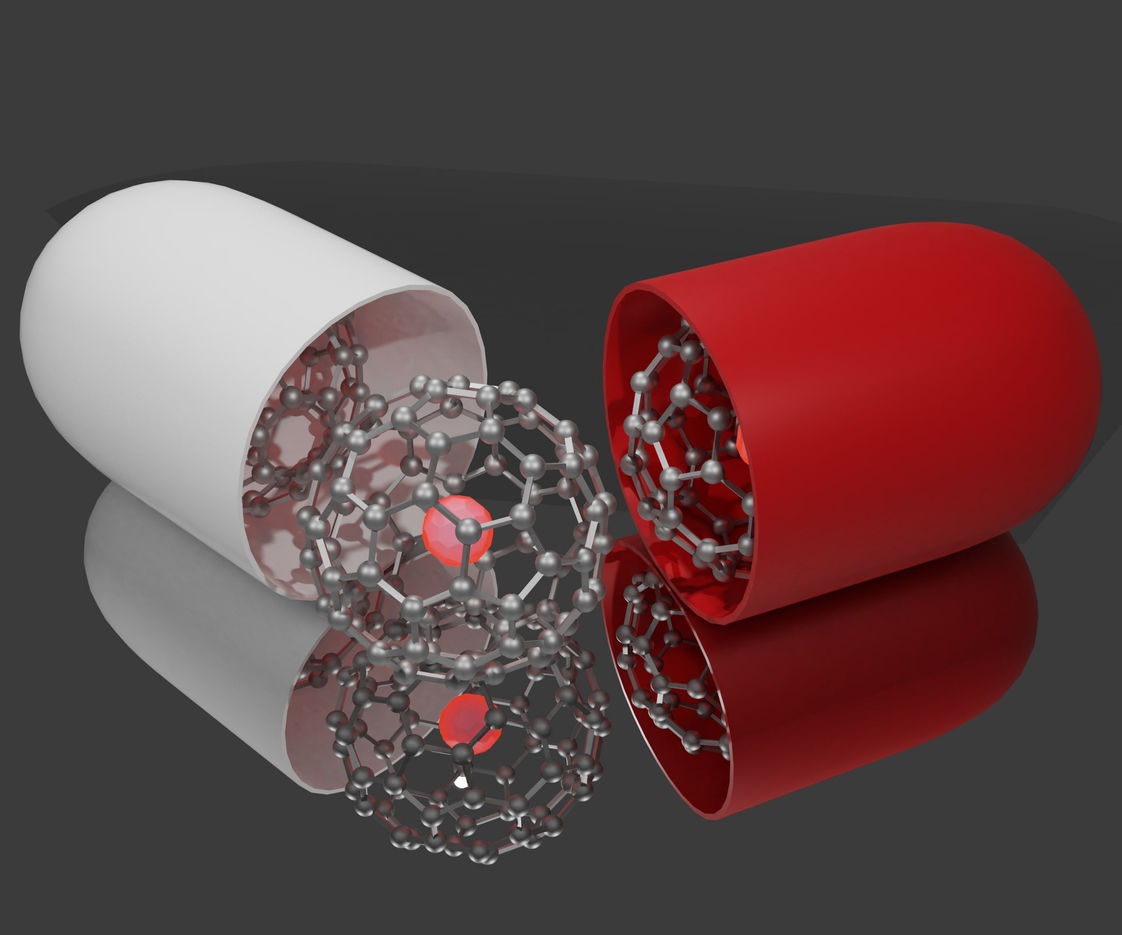
Understanding the Science: How Tiny Frameworks Tackle Big Diseases
Nanomedicine harnesses the power of near-invisible structures to diagnose, treat, and prevent diseases. This scientific frontier offers a breakthrough path for managing serious health conditions by employing nanoscale devices, which often function in tandem with natural biological processes for remarkable specificity and efficiency.
The Core Principle: Targeted Drug Delivery
In conventional therapies, medication disperses throughout the body, oftentimes leading to a surprising array of side effects as even healthy cells absorb the drugs. Targeted delivery—an innovative concept integral to nanomedicine—offers a remarkable alternative. Here's how it works: nanocarriers can be engineered to home in on specific features of diseased cells, ensuring they deliver their therapeutic payload precisely where it’s needed, thereby sparing healthy tissues.
Building Blocks: What Are Nanocarriers Made Of?
The elegance of these delivery systems lies not only in what they do but also in how they're made. Crafted from a variety of materials, nanocarriers come in diverse forms like liposomes, polymeric nanoparticles, or engineered viral capsids. Each type offers unique benefits tailored to specific medical challenges. Liposomes, for example, are lipid-based spheres compatible with human physiology, often used to encapsulate and transport hydrophilic drugs.
Beyond Drug Delivery: Diagnostics and Biosensors
Beyond therapeutic transport, nanomedicine shines in the realm of early disease detection. Simple blood tests or analyses of bodily fluids can reveal biomarkers indicating conditions like cancer, often long before symptoms appear. This timely diagnosis ensures prompt and, ideally, more successful interventions. The revolutionary potential of nanosensors in identifying these subtle signs has expanded rapidly, aligning with cutting-edge advances in regenerative medicine and diagnostic technology.
The Magic of Exosomes: Nature's Own Delivery Vehicles for Cancer Therapy
Exosomes represent a stunning blend of natural efficiency and scientific ingenuity. These cell-secreted vesicles naturally ferry proteins, lipids, and genetic material through the body, influencing cellular behavior. As therapeutic delivery vehicles, they promise to redefine cancer treatment with unprecedented precision and biocompatibility.
What are Exosomes?
Exosomes function as cellular couriers. Unlike synthetic particles that may invoke immune rejection, exosomes blend seamlessly into the body’s vascular systems. This inherent compatibility, coupled with their ability to carry diverse biological cargo, from signaling proteins to RNA, underpins their transformative potential as drug carriers.
Engineers are now tailoring these natural carriers to maximize their therapeutic payloads, guiding them deftly to tumors or other disease sites. Exosome therapies promise to eclipse traditional methods by boosting targeted delivery’s precision, reducing side effects while amplifying drugs' efficacy.
Exosomes in Cancer Therapy
Engineering exosomes to specifically seek cancer cells capitalizes on their innate target-seeking tendencies. Emerging studies showcase staggering improvements, with targeting efficacy dramatically surpassing traditional modes by multitudes. When faced with notorious cancers, this innovation redefines the playing field, offering better success rates and reduced patient distress.
Enhancing Drug Delivery with Exosomes
Engineering modifications allow us to scale and refine how exosomes deploy therapeutics. Imagine a suite of drugs delivered commando-style, precisely adapting to cell-surface variations in real time. Such customizability paves exciting roads for innovative multi-wave cancer treatments.
Combining Exosomes with Nanotechnology
The true innovation lies in hybrid systems, where exosomes merge with synthetic nanoparticles to offer superior targeting. By combining these biocompatible vesicles with the engineering prowess of nanoparticles, researchers craft a versatile and robust drug delivery system. These systems enhance precision, mitigate toxicity, and magnify therapeutic potential.
Peptide Strategies in Modern Medicine: Precision with Proteins
Peptides, miniature sequences of amino acids akin to life’s essential building blocks, revolutionize more than just protein formation. Their dynamic roles in healthcare, brought to light by advances in nanomedicine, cement them as tools for delivering disease-targeting interventions with unmatched precision.
The Power of Peptides: More Than Just Building Blocks
As therapeutic agents, peptides stand out for their selectivity and specificity. When designed precisely, they offer the dual advantage of recognizing disease markers and integrating seamlessly into bodily processes. Historically seen as complex to manage due to rapid breakdown, their stability is now being enhanced through ring-like or hybrid structural changes, enabling concentrated, directed approaches, such as cancer-targeted therapies.
By employing artificially selected peptides, researchers ensure these therapies go exactly where needed, reducing adverse effects often seen in broader-spectrum treatments. This high degree of targeting not only bolsters effectiveness but also opens the door to less aggressive treatment regimens—a critical advantage in oncology.
Peptides as Delivery Vehicles: Guiding Nanoparticles to Tumors
In linking peptides to nanoparticles, these mini biologic agents become navigators guiding nanovehicles to malignancies with surgical precision. This homing mechanism builds a treatment hierarchy—nanocarriers loaded with drugs, guided directly to pathological sites, minimizing peripheral damage.
More advanced applications leverage the discriminant binding capabilities of peptides to create dual-action systems: targeting for drug delivery as well as diagnostic mapping. This ensures a dual benefit, offering insight into tumor burden while simultaneously addressing it therapeutically.
Specific Examples: Antimicrobial Peptides and Exosome-Based Therapies
Research progresses into the cancer-combating prowess of antimicrobial peptides. Transitioning from basic biological functions, these agents smartly disband defensive cancer cell structures, ushering chart-topping innovations. Coupled with exosome-transported therapies, their integrated application advances personalized healthcare possibilities.
Strategically combining therapeutics multiplies their impact. Here, precision marries innovation, combining mainstay therapy biologicals within exosomal frameworks, enhancing treatment horizons and advancing personalized molecular oncology.
By embracing nature's toolkit—peptides enhanced by modern nanotechnology—a compelling frontier emerges. These foundations stabilize defenses, escalate therapeutic specificity, and tailor interventions for optimal outcomes.
Crossing Barriers: The Journey of CAR T-Cell Therapy in Brain Cancer
Brain cancer poses significant treatment difficulties due to its complexity and the blood-brain barrier that blocks many potential therapies. However, recent innovations are setting new precedents. CAR T-cell therapy, a therapeutic advance harnessing the body's immune system, has found renewed success with nanomedicine's contribution.
The Promise of CAR T-Cell Therapy
CAR T-cell therapy pairs a patient's immune prowess with genetic engineering. By modifying T-cells to target cancer-recognizing proteins, the therapy acts as an internal defense force launching targeted attacks on cancerous cells. However, challenges arise with the brain’s protective barriers, which often restrict these engineered cells' access to the malignant targets. Overcoming this barrier brings new hope to treating otherwise intractable tumors.
Nanoparticles to the Rescue: In Vivo CAR T-Cell Engineering
Nanomedicine's breakthrough lies in delivering the necessary genetic blueprints directly within the body. This transformational approach bypasses external engineering, using nanoparticles to upgrade the regular T-cells to powerful CAR T-cells right where they are needed. Laboratory prep becomes obsolete, translating into enhanced access and rapid therapy initiation with reduced disruption and associated costs.
Mouse model explorations champion this approach’s efficacy, showcasing reduced tumor volumes, lengthened survival, and enhanced therapeutic personalization. This innovative therapy seamlessly blends with the body's own cells, offering an elegant, internal solution to a critical oncological challenge.
Overcoming Toxicity and Enhancing Efficacy
Significant hurdles, such as the requisite pre-therapy lymphodepletion, introduce potentially severe side effects. Current innovations aim to bypass these steps by regenerating pathways intrinsic to T-cells, diminishing toxicity while accelerating therapy. These intricate cellular enhancements, powered by nanoparticles, ensure a balance between timely delivery and therapeutic efficiency.
Nanoparticle delivery facilitates the transference of immune-modulatory drugs, transforming the hostile tumor landscape into a more receptive battleground. When paired with state-of-the-art platform designs, these approaches spotlight a multi-pronged front against brain cancer, pivoting towards tailored immuno-oncology strategies for improved patient outcomes.
Nanovaccines: Training the Immune System
The parallels between infection-prevention vaccines and cancer-targeting options become evident with nanoparticle-based approaches. By permitting targeted antigen delivery, the immune response can be precisely honed against cancer. Recent use in creating multi-cancer preventive nanovaccines highlights the importance of tumor antigen-specific training, mirroring conventional vaccine longevity by preventing cancer recurrence.
These innovations promise comprehensive therapeutic options that check cancer proliferation at its root. Nanovaccines extend the reach of CAR T-cell approaches, overcoming biological hurdles for lasting immune engagement.
Personalized Oncology: A Tailored Approach
Personalized oncology, where each patient’s unique tumor detail informs therapy, aligns well with nanomedicine’s offerings. By adapting to an individual genetic signature, therapies with nanocarriers, including gene editing and mRNA-loaded cancer vaccines, chart paths for precision medicine.
CAR T-cell treatment advances epitomize the merger of laboratory innovation and natural cellular pathways. Here, nanotechnology amplifies the scope and outcomes of individualized cancer care, representing a bright frontier in the ongoing battle against cancer.
Question and Answer
-
What is nanomedicine and how does it enhance cancer treatment?
Nanomedicine involves the use of nanotechnology to diagnose, treat, and prevent diseases by employing nanoscale devices known as nanocarriers. These nanocarriers are engineered to deliver drugs directly to the site of disease, particularly cancer, enhancing therapeutic efficacy and minimizing side effects. This targeted drug delivery is crucial in cancer treatment, as it allows for chemotherapy drugs to be delivered directly to tumor cells, reducing damage to healthy tissues and improving patient outcomes.
-
How do nanoparticles contribute to targeted drug delivery in cancer therapy?
Nanoparticles can be engineered to recognize specific markers on cancer cells, enabling targeted drug delivery. This means that nanoparticles can bind to proteins overexpressed on the surface of tumor cells, ensuring that chemotherapy drugs are concentrated at the tumor site. This precision reduces systemic side effects and enhances the effectiveness of the treatment, marking a significant advancement over traditional drug delivery methods that affect both cancerous and healthy cells.
-
What are biosensors, and what role do they play in nanomedicine?
Biosensors in nanomedicine are devices that use nanoparticles to detect specific biological markers indicative of diseases such as cancer. These nanosensors can identify biomarkers in bodily fluids, allowing for early disease detection and intervention. This capability is pivotal in improving patient outcomes, as it facilitates timely diagnosis and treatment, potentially even before symptoms manifest.