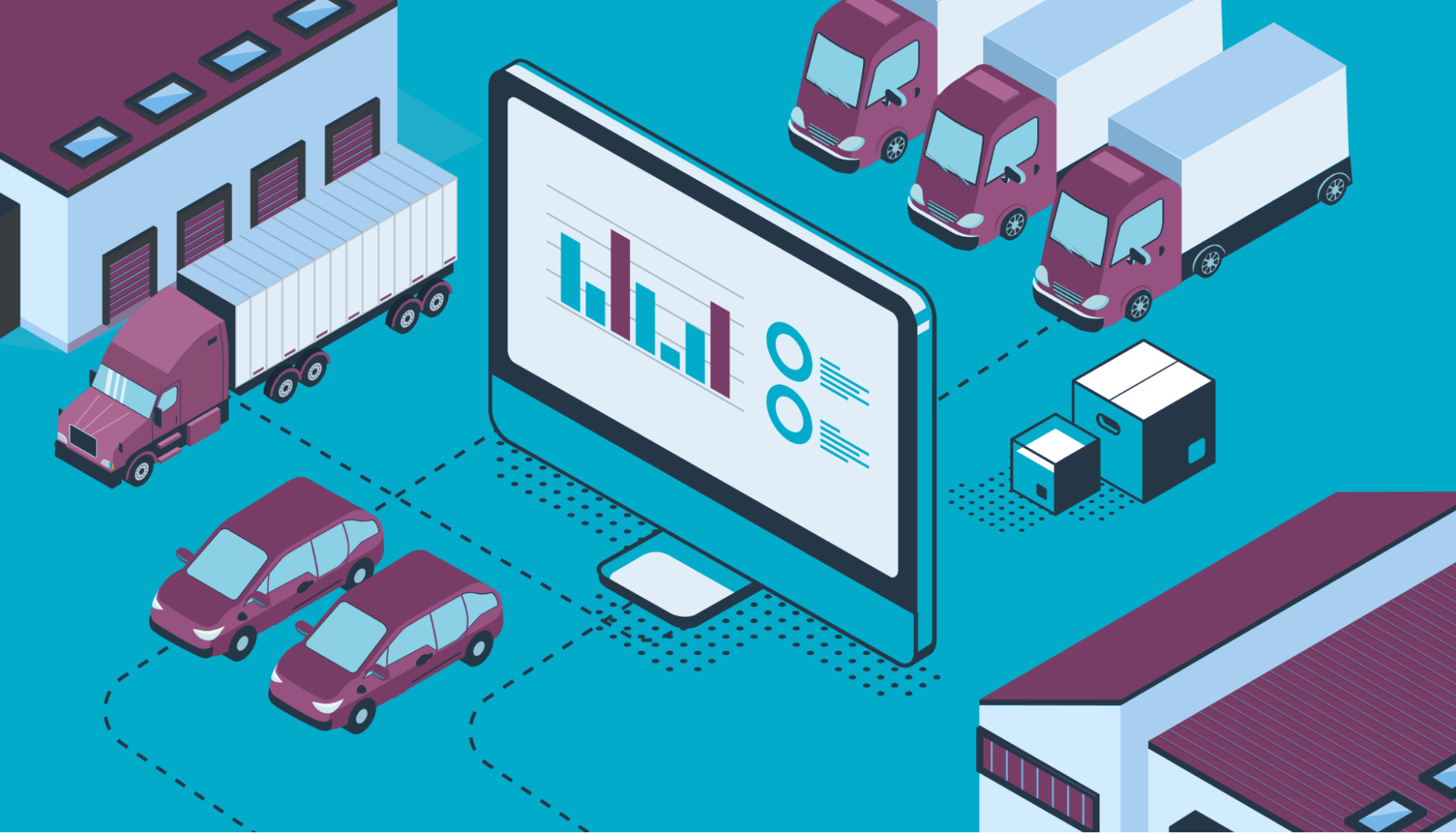
Leveraging Data: Optimizing Operations and Reducing Costs
The modern fleet landscape is becoming increasingly data-centric, leveraging emerging technologies to enhance operational efficiency and cut costs significantly. The integration of dynamic data solutions is the backbone of this transformation, enabling smarter and more agile decision-making.
Harnessing the Power of AI for Enhanced Efficiency
Fleet management is being revolutionized by the use of artificial intelligence, leveraging sophisticated algorithms to improve operations. These AI systems optimize scheduling, enhance route planning, and significantly reduce operational costs such as fuel expenditure.
Understanding AI-Driven Operations
AI technologies have paved the way for automated decisions regarding fleet activities. Algorithms assess various data inputs, predicting the best scheduling for vehicle deployment and orchestrating routes that minimize detours and maximize fuel savings. This is critical not only for cost efficiency but also for customer satisfaction, ensuring timely deliveries.
Fuel Cost Reduction
By analyzing driving routes and conditions, AI can recommend pathways that minimize fuel consumption. Such data-driven insights support the strategic deployment of vehicles, reducing overall environmental impact with lower greenhouse gas emissions.
Market Impact and Metrics
The application of AI in fleet management has proven beneficial, with notable increases in operational efficiency and significant savings in fuel expenditure, as evidenced by industry reports. With AI’s role in increasing vehicle utilization rates, fleet managers can derive more value from their assets, ensuring that every vehicle operates in its optimal capacity.
Real-Time Data in Predictive Maintenance
Integrating real-time data analytics into maintenance protocols shifts the focus from reactive to predictive strategies, dramatically improving fleet reliability and reducing costs.
The Role of Real-Time Monitoring
Real-time data collection through GPS and IoT sensors allows for continuous monitoring of vehicle health. This enables early detection of potential issues, significantly reducing unforeseen breakdowns. For instance, analyzing engine diagnostics can pinpoint anomalies before they develop into costly failures.
Proactive Maintenance Scheduling
Predictive maintenance based on real-time data extends beyond avoiding breakdowns. By using insights generated from data analytics, fleet managers can schedule maintenance during non-peak hours, thus avoiding disruption in operations and maintaining service continuity.
Impact on Fleet Operations
Reduced downtime and lower maintenance costs are direct benefits of this approach. Additionally, such proactive strategies prolong the lifespan of vehicles, fostering sustainable operations while significantly decreasing overall fleet expenditure.
Innovating Safety: Advanced Technologies for Risk Reduction
Advancements in fleet technology are not solely about improving efficiency—they heavily focus on safety enhancements that protect drivers and reduce accident risks.
Implementing Cutting-Edge Safety Protocols
Fleet safety is enhanced through sophisticated monitoring systems that assess and improve driver behavior while providing critical safety alerts to prevent accidents.
Telematics and Driver Monitoring
Telematics systems provide invaluable data on driving behaviors such as speed, acceleration, and braking patterns. By continuously monitoring these aspects, fleet managers can identify risky behaviors and engage drivers in targeted training programs. This real-time feedback loop has proven effective in reducing incidents on the road.
Collaboration with AI Safety Mechanisms
AI-powered safety analytics further refine this process by predicting potential hazards using historical data and behavioral patterns. Driver monitoring systems equipped with AI can alert drivers to distractions or drowsiness, preventing potential dangers before they escalate.
Expected Outcomes
The implementation of these technologies leads to a downturn in accident rates and improved safety scores. The resulting decrease in incidents not only secures driver welfare but also reduces insurance premiums—a quantifiable saving for fleet operators.
Integrating Collision Avoidance Technologies
Advanced assistance systems prevent accidents through sensor-driven interventions and real-time communication.
Operational Mechanisms
Collision avoidance systems are equipped with sensors and cameras that continuously assess the vehicle’s surroundings. In the event of an impending collision, these systems can autonomously adjust the vehicle’s course or engage brakes to avoid accidents.
Benefits and Metrics
This technology directly correlates with decreased incident severity and frequency. Fleets adopting collision avoidance systems report fewer accidents, which not only safeguards drivers and assets but also minimizes repair costs and downtime associated with accident recovery.
Coordinating Resources: The Role of Data and Connectivity
Optimal resource utilization is a critical component of successful fleet management, achieved through advanced data analytics and connectivity solutions.
Scheduling and Allocating Resources Efficiently
Integrating scheduling systems with live data streams ensures that resources are allocated effectively, minimizing idle times and maximizing fleet productivity.
Dynamic Scheduling Systems
These systems access real-time data to match vehicle availability and capabilities with service requirements, optimizing fleet assignments and ensuring efficient resource use.
Integration Benefits
The convergence of scheduling data with operational analytics leads to significant reductions in operational lag and enhanced service delivery. By improving resource allocation, fleets can handle increased workloads without corresponding increases in fleet size, thereby optimizing capital investment.
The Impact of Advanced Analytics
Data analytics platforms play a crucial role in assessing and improving fleet productivity.
Performance Analysis
Advanced analytics tools provide insights into key performance metrics, allowing fleet managers to identify trends and forecast potential operational bottlenecks. Insights derived from data aid in refining operational strategies, leading to continuous performance improvement.
Sustainability Metrics
Analytics also allow for the assessment of practices impacting environmental footprints. By optimizing routes and encouraging eco-friendly driving practices, fleets can notably reduce CO2 emissions, fulfilling both economic and environmental responsibilities.
Fueling Innovation: Integrating Sustainability and Connectivity
The integration of scheduling, safety, and analytics in fleet management augments both operational efficiency and sustainability efforts.
Aligning Operations for a Greener Future
Fleet operations are becoming more eco-conscious, with significant emphasis on reducing carbon footprints.
Strategies for Carbon Reduction
Strategies such as electric vehicle integration and optimized routing contribute to environmental sustainability. Tailoring fleet operations with these elements ensures reduced emissions and aligns with global efforts to combat climate change.
Aligning with Global Goals
Fleets focused on sustainable practices see improved compliance with environmental regulations and enhance their corporate social responsibility initiatives, fostering a positive brand image and long-term viability.
Continuous Improvement with Technological Advancements
Embracing new technologies ensures that fleets are future-ready and adaptable to emerging market demands.
Embracing Future Innovations
Continuous improvement and technological adaptation guarantee a competitive edge. The integration of AI and real-time data analytics will further enhance fleet management capabilities, propelling the industry towards autonomous operations and beyond.
Forecasting Industry Advancements
As technological advancements continue, the fleet industry can expect innovations that further optimize efficiency, safety, and sustainability, ensuring robust operations in the dynamic global landscape.
In conclusion, data-driven fleet management represents the nexus of efficiency, safety, and sustainability. By leveraging advanced technologies and integrating comprehensive data analytics, fleet operators can transform operations, paving the way for a more connected, efficient, and environmentally friendly future.
Q&A
-
How does GPS tracking improve vehicle maintenance?
GPS tracking systems provide real-time data on vehicle usage, such as mileage and engine hours, which can be used to schedule timely maintenance. This proactive approach helps prevent unexpected breakdowns, extends the lifespan of vehicles, and ensures they are always in optimal working condition. Additionally, some GPS systems can alert fleet managers about diagnostic trouble codes, allowing for immediate attention to potential issues.
-
In what ways can GPS tracking help reduce fuel costs?
GPS tracking can significantly reduce fuel costs by optimizing routes, reducing idle times, and monitoring driving behaviors such as excessive speeding or harsh braking. By ensuring that vehicles take the most efficient routes and minimizing unnecessary idling, companies can decrease fuel consumption and improve overall fuel efficiency.
-
How is scheduling improved with the use of GPS tracking systems?
GPS tracking provides accurate and real-time location data, allowing for precise scheduling and dispatching of vehicles. This ensures that deliveries and services are completed on time, improving customer satisfaction and operational efficiency. Additionally, managers can adjust schedules dynamically in response to traffic conditions or unexpected delays, minimizing downtime and maximizing productivity.