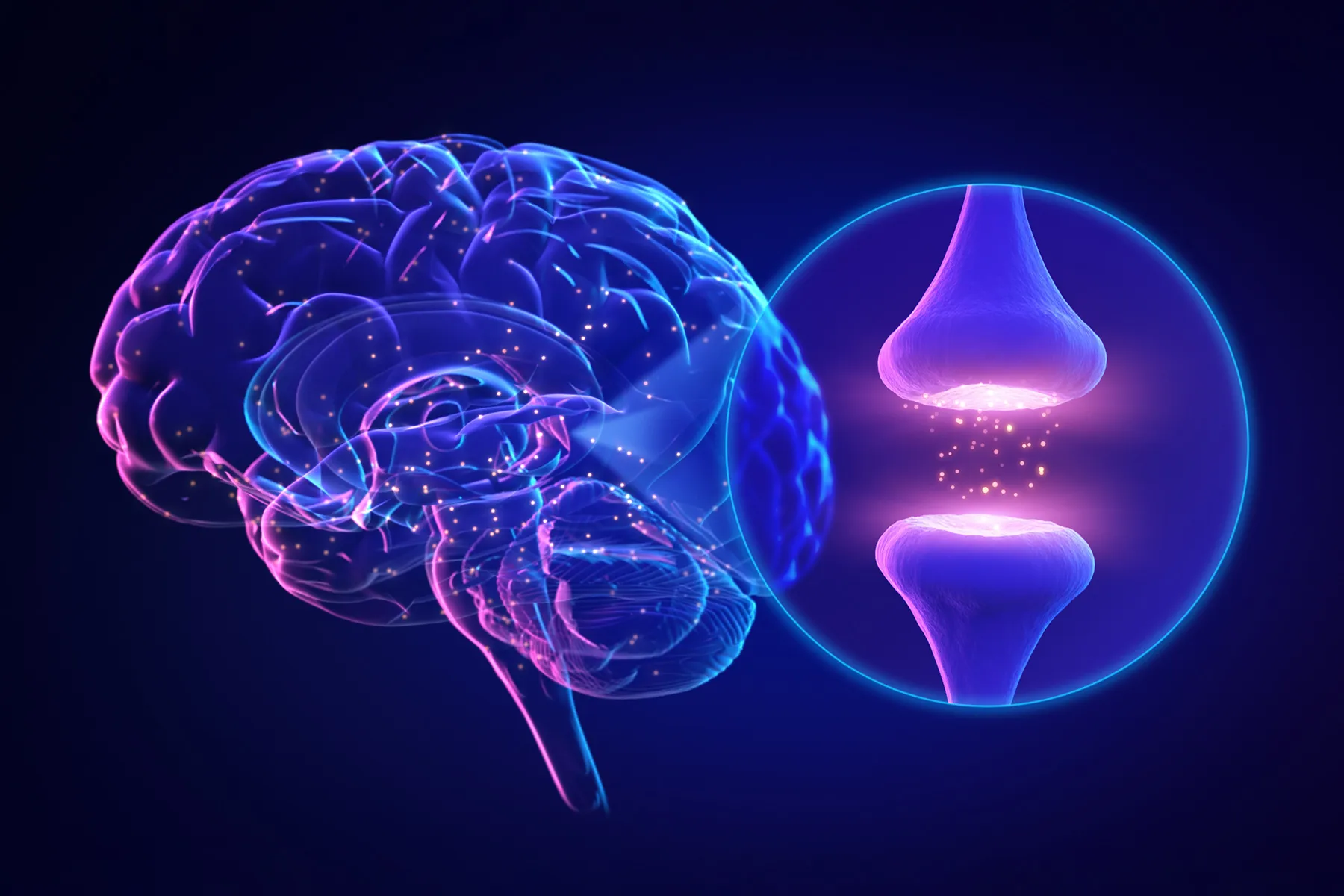
The Art of Neural Mapping: Charting the Brain's Flexibility
Recent progress in brain mapping technologies has unveiled the detailed architecture of our brain's neural networks. These findings help us appreciate how the brain adapts to new information and recovers from injury.
Understanding Dynamic Brain Networks
Our brains are constantly evolving, adjusting the pathways that allow different areas to communicate. This adaptability is crucial for acquiring new skills and for the rehabilitation processes after brain injuries. By using cutting-edge neural mapping, researchers can visualize changes in these connections. This helps us understand how habits form and how experience reshapes our cognitive landscape, which is crucial for developing new therapies that leverage these insights for better recovery outcomes.
Cutting-Edge Imaging Technologies and Neural Mapping
Advanced imaging technologies such as functional MRI and diffusion tensor imaging are revolutionizing our understanding of neural connectivity. These tools provide high-resolution images of the brain in action, revealing dynamic changes as we learn or recover from neurological events. With these insights, specialists can identify which parts of the brain are involved in different tasks and how conditions like learning disabilities or stroke impact neural circuitry. This high level of detail facilitates the development of personalized treatments that support recovery from cognitive impairments by fostering beneficial neural re-mapping.
Computational Models and Precision Therapies
Data from neural mapping needs interpretation, which is where computational models come into play. They integrate the sensory information into actionable insights about brain function and behavior relationships. By aligning real-life data with these models, researchers can create precision therapies tailored to individual brain patterns. This approach is particularly valuable for treating neurological conditions, where understanding unique neural maps allows for therapies that specifically target disrupted pathways, enhancing treatment efficacy and recovery speed.
Neuroplasticity Unleashed: Memory and Cognitive Flexibility
Exploring the role of neuroplasticity in memory and problem-solving gives us actionable strategies for maintaining cognitive health and vigor throughout life.
The Role of Neuroplasticity in Memory
Memory relies on the brain's ability to create and strengthen neural connections. Through neuroplasticity, learning new information becomes an orchestrated act of reinforcing pathways that store these experiences. This mechanism is evident in activities like learning to play an instrument or acquiring a new language, which involve forming, breaking, and reforming neural connections. These dynamic processes illustrate how continuously challenging our brains can prevent the decline of cognitive abilities with age, ensuring sustained memory and learning capacity throughout life.
Enhancing Cognitive Flexibility
Cognitive flexibility, the capability to think about multiple concepts simultaneously and adapt to new situations, is rooted in neuroplasticity. Engaging in activities that challenge our thought processes, such as strategic games or solving complex problems, strengthens these adaptive neural pathways. Fostering such habits ensures our brains remain agile, effectively navigating and adapting to novel environments and challenges. This adaptability is crucial not only for peak performance in academic and professional settings but also for maintaining mental health and emotional resilience.
The Science Behind Cognitive Health
The continuous adaptation and reconfiguration of neural pathways through neuroplasticity support overall brain health. By regularly engaging with environments that stimulate learning, we encourage the brain's robust development, laying down new synaptic maps that enhance intellectual capabilities. This proactive approach not only buffers against age-related decline but also supports a vibrant mental lifestyle that values lifelong learning and cognitive engagement.
From Synapses to Systems: Neuroplasticity in Healing
Beyond the cognitive enhancements, neuroplasticity's role in brain healing after injuries such as strokes underscores its immense therapeutic potential.
Synaptic Plasticity and Neural Communication
At the most fundamental level, neuroplasticity involves changes in the strength of synaptic connections through mechanisms like long-term potentiation. These synaptic adjustments facilitate the transmission of signals between neurons, bolstering communication pathways. In rehabilitation contexts, therapies aim to enhance these processes, strengthening or weakening specific connections to restore functionality post-injury. Understanding these mechanisms allow healthcare professionals to develop interventions that accelerate the brain's natural healing processes, optimizing recovery efforts after neurological injuries.
System-Level Neuroplastic Changes
At a macro level, neuroplasticity encompasses the reorganization of whole brain systems, often seen when learning a new skill or recovering from a stroke. In these cases, the brain reassesses its internal maps to optimize performance, potentially leading to the development of novel connections that assume the roles of damaged networks. This system-level adaptation is crucial for functional recovery, such as regaining speech or motor skills, demonstrating the brain's inherent resilience and adaptive capacity.
Harnessing Neuroplasticity for Recovery
Understanding neuroplasticity as a multi-level process — from synapses to whole systems — is essential in advancing rehabilitation technologies. Therapies that combine cognitive training, physical exercises, and pharmacological support aim to facilitate neuroplastic recovery. As we further synchronize these approaches, we can better leverage the brain's natural capacity for change, transforming rehabilitation practices and significantly enhancing recovery outcomes for individuals with brain injuries or neurological diseases.
Neuroplasticity provides a roadmap for both cognitive enhancement and recovery from injury. By embracing practices that promote synaptic growth and system-level adjustments, we can foster a brain that is resilient, adaptable, and equipped to meet the challenges of recovery and lifelong learning. This perspective encourages a proactive approach to brain health, integrating diet, lifestyle, and therapeutic interventions into our understanding of how to maintain and improve brain function throughout life.
Q&A
-
What is neuroplasticity and why is it important for brain health?
Neuroplasticity refers to the brain's ability to reorganize itself by forming new neural connections throughout life. This adaptability is crucial for learning, memory, and recovery from brain injuries. Neuroplasticity allows the brain to compensate for lost functions or maximize remaining functions in the event of a stroke or other neurological damage, making it essential for maintaining cognitive health and flexibility.
-
How does synaptic growth contribute to memory formation?
Synaptic growth involves the strengthening and increase of synapses, the connections between neurons. This process is fundamental to memory formation, as it enhances communication between neurons, facilitating the storage and retrieval of information. When we learn new information or skills, synaptic growth helps encode these experiences into lasting memories, improving our ability to recall past events and knowledge.
-
In what ways does brain connectivity impact cognitive flexibility?
Brain connectivity refers to the network of pathways that link different regions of the brain. High levels of connectivity support cognitive flexibility, which is the ability to adapt one's thinking and behavior in response to changing environments or demands. This flexibility is essential for problem-solving, creativity, and the capacity to switch between tasks efficiently. A well-connected brain can process information more rapidly and adaptively, leading to better cognitive performance.
-
How does neural mapping aid in stroke recovery?
Neural mapping involves identifying and understanding the pathways and connections within the brain. In stroke recovery, neural mapping can be used to pinpoint areas affected by the stroke and to develop targeted rehabilitation strategies. By understanding which neural circuits are damaged, therapists can focus on exercises and therapies that promote the reorganization and strengthening of these pathways, facilitating more effective recovery and the restoration of lost functions.
-
What role does cognitive flexibility play in adapting to new learning environments?
Cognitive flexibility is the mental ability to switch between thinking about two different concepts and to think about multiple concepts simultaneously. This skill is particularly important in adapting to new learning environments, as it allows individuals to modify their approach to problems, integrate new information, and apply knowledge across different contexts. Enhancing cognitive flexibility can lead to improved learning outcomes and the ability to tackle complex challenges with innovative solutions.