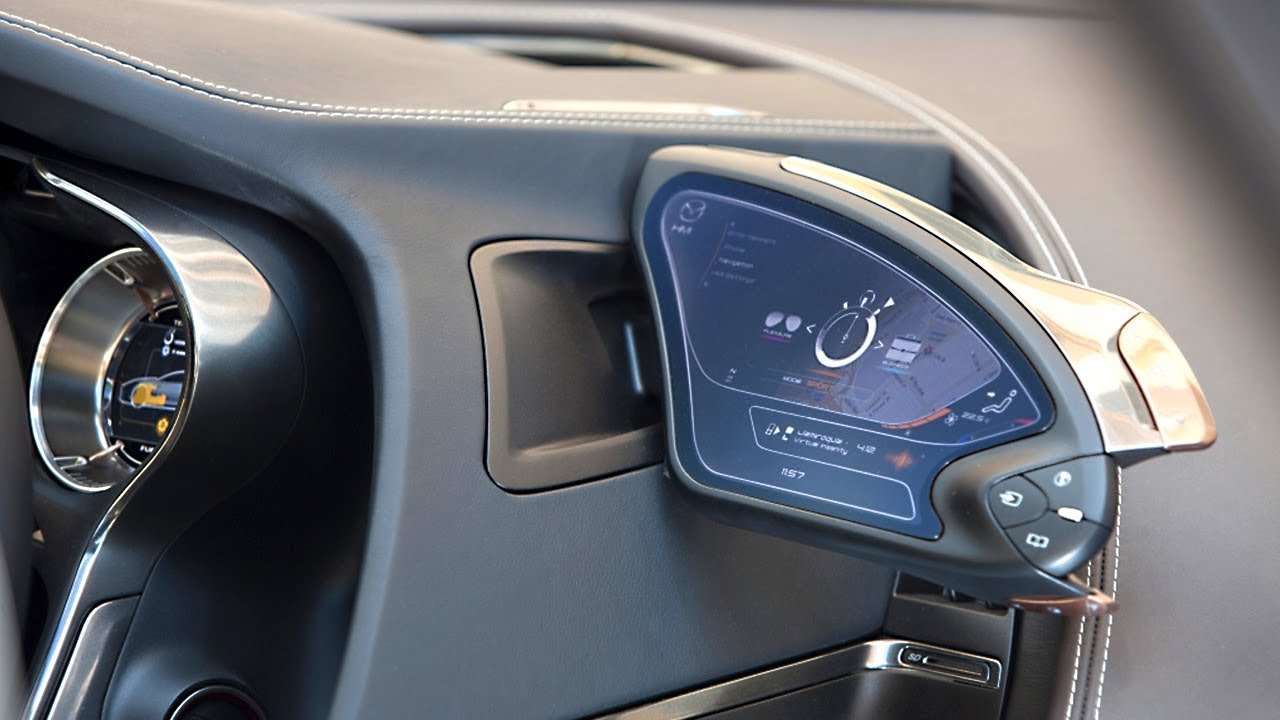
Mapping the Future: The Revolutionary Role of Navigation Systems
Modern vehicles are becoming increasingly sophisticated, incorporating a wide array of gadgets designed to enhance the driving experience. Among these, navigation systems have transformed how we navigate the world.
Evolution and Features of Navigation Systems
Gone are the days when getting lost was a common occurrence. Today's navigation systems have advanced dramatically from early GPS devices. Initially, these systems provided basic turn-by-turn directions using pre-loaded maps. Now, with technological advancements, they offer features such as real-time traffic updates, voice recognition, and 3D maps. Integration with smartphone apps allows drivers to access numerous features, creating a smarter driving experience. By offering real-time data, these systems help drivers make informed decisions, plan efficient routes, and explore points of interest, all with ease and accuracy.
Real-Time Traffic Updates and Dynamic Routing
One standout feature in modern navigation systems is their ability to provide real-time traffic updates. This capability is a game-changer for daily commuters and road-trippers alike. By using data from sources such as traffic sensors, mobile devices, and user inputs, navigation systems can reroute drivers dynamically, avoiding congested areas and reducing travel time. This feature not only saves time but also enhances safety by minimizing stress and potential driving hazards. It exemplifies how technology is reshaping our approach to travel, turning navigation into an active tool for proactive journey management.
Points of Interest and Location-Based Services
Beyond just guiding us from point A to point B, contemporary navigation systems offer detailed information on nearby amenities like restaurants, gas stations, and hotels. These systems can suggest eateries, provide gas price comparisons, and even help find parking spots—features particularly valuable in unfamiliar areas. The inclusion of location-based services enhances the driver's ability to find exactly what they need without extensive detours or time wastage. These intelligent systems not only optimize the journey experience but also support better decision-making on the road.
Cars 2.0: Embracing Today's Innovative Gadgets
The world of car gadgets has evolved, enhancing not just entertainment but also aspects of navigation and safety.
The Smart Car Revolution
Smartphone proliferation and wireless technology have paved the way for the smart car era. Vehicles now host a variety of intelligent gadgets, including infotainment systems, driver-assistance technologies, and connectivity options. This transformation enables a safer, more convenient, and enjoyable driving experience. Whether it's streaming your favorite podcasts or using hands-free functionality for calls, the smart car ecosystem has made significant strides in melding technology with traditional driving needs.
Driver-Assistance Technologies
Driver-assistance systems are perhaps one of the most significant advancements in car gadgets, offering enhanced safety features using sensors, cameras, and radar. These systems monitor vehicle surroundings, providing warnings and assistance to the driver. Technologies like lane departure alerts and automatic emergency braking are integral to reducing the risk of accidents, demonstrating how car gadgets can proactively improve road safety.
Connectivity in Modern Vehicles
Bluetooth adapters and USB chargers facilitate seamless connectivity in today's cars. By allowing effortless integration with personal devices, these gadgets amplify safety and user convenience. Hands-free calling not only keeps drivers connected but also focused on the road. Meanwhile, USB chargers keep devices powered throughout journeys, ensuring that technology helps rather than hinders. The connected car represents a leap forward, offering digital harmony between driver and vehicle.
Tires in Check: Ensuring Safety with Monitoring Systems
Tire Pressure Monitoring Systems (TPMS) are pivotal in maintaining safety and efficiency in modern vehicles, as real-time data on tire condition preempts potential issues.
Functionality and Benefits of TPMS
TPMS continuously monitors tire pressure using sensors that communicate with the vehicle’s computer system. This real-time information, often represented on the dashboard, alerts drivers to irregularities, enabling corrective action before conditions worsen. Maintaining optimal tire pressure improves handling, reduces wear, enhances fuel efficiency, and curtails the likelihood of blowouts. This preventive measure aligns with modern drivers' needs for reliability and safety on the road.
Advanced Sensors and Recall Awareness
Utilizing OEM-grade sensors ensures the reliability and accuracy of monitoring systems. Regular updates and maintenance are necessary to keep these systems running optimally. The significance of having dependable TPMS became evident with recalls related to malfunctioning systems, highlighting the importance of software integrity and sensor quality. As vehicle technology advances, so too will the integration and sophistication of these safety features, further empowering drivers.
Driving into the Future: Technological Integration in Vehicles
With continuous innovations, vehicles are transforming into smart systems with a focus on safety, convenience, and seamless connectivity.
Smart Displays and Infotainment
Smart displays are at the heart of modern vehicle interfaces, centralizing the control of various functions. These displays provide everything from navigation and multimedia to advanced vehicle diagnostics. High-definition screens give way to vibrant, easily navigable platforms for drivers. Integration with smartphone services enhances the informational and entertainment landscape within vehicles, making road experience both practical and pleasurable.
The Future Ahead
The ongoing enhancement of smart car gadgets promises further synergy between technology and transportation. Emerging features such as autonomous driving systems and augmented reality displays suggest a future where vehicles are not just means of transport, but sophisticated environments tailored to users' preferences. This technological progression indicates a horizon rich with possibility, destined to redefine modern driving.
Q&A
-
What are the benefits of using a GPS in your vehicle?
Using a GPS in your vehicle offers numerous benefits, such as providing real-time navigation and traffic updates, which can help you avoid congested routes. Additionally, GPS systems often include features like speed limit alerts and points of interest, making your journey safer and more enjoyable.
-
How does a Bluetooth adapter enhance the functionality of older car models?
A Bluetooth adapter can significantly enhance older car models by enabling wireless connectivity for hands-free calls and streaming music. This feature not only modernizes your car's entertainment system but also increases safety by allowing you to keep your hands on the wheel and eyes on the road.
-
Why is a dash cam considered a useful device for drivers?
A dash cam is a valuable tool for drivers because it records video footage of the road while driving. This can be crucial evidence in the event of an accident or traffic dispute. Additionally, some dash cams offer features like parking mode, which can record incidents when the vehicle is stationary, providing extra security.
-
What is the purpose of a tire pressure monitor, and how does it improve vehicle safety?
A tire pressure monitor continuously checks the air pressure in your vehicle's tires and alerts you when levels are too low or too high. Properly inflated tires improve fuel efficiency, extend tire life, and enhance safety by reducing the risk of blowouts or skidding.
-
How can a smart display integrate with other smart devices in your vehicle?
A smart display can act as a central hub for integrating various smart devices in your vehicle, such as GPS, music streaming services, and voice-activated assistants. This integration allows for seamless control of these devices through a single interface, enhancing convenience and minimizing distractions.