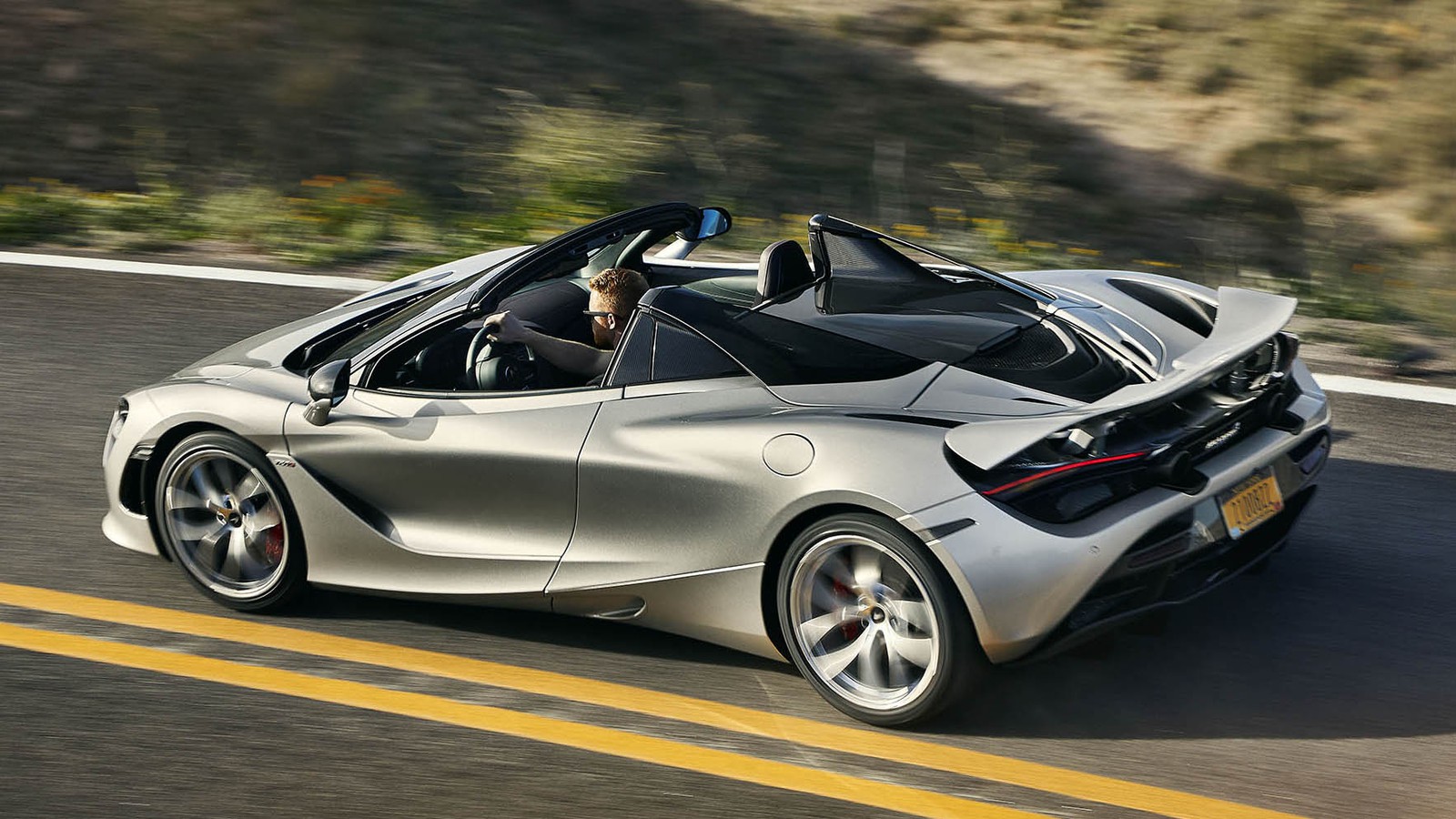
Choosing the Top: Navigating Weather Proficiency in Convertibles
Choosing the right convertible involves understanding how different top styles can influence weather performance. The type of top and the vehicle’s design play crucial roles in ensuring comfort and protection in various climates. This section explores the implications of these choices.
Soft Top Charm and Challenges
Soft tops have evolved, balancing traditional appeal with modern performance enhancements. Historically cherished for their lightweight construction, these tops now incorporate sophisticated fabrics and multi-layer insulation, offering better noise reduction and thermal protection than previous versions.
Soft tops, made from durable fabrics, are designed to provide a classic appeal with the flexibility to fold compactly, saving trunk space. However, they can be more susceptible to weather-related wear, including potential water ingress that necessitates meticulous maintenance. Regular treatments with waterproofing and UV-protection products can extend their lifespan and preserve aesthetic integrity. An example such as the BMW Z4 exemplifies how engineered fabric layers improve noise levels and temperature control even in adverse weather conditions.
In terms of market appeal, soft tops maintain a strong presence, often preferred by those seeking a lighter, more traditional convertible experience. Despite requiring more care, their aesthetic flexibility and affordability keep them in demand, especially among those who prize traditional styling cues in luxury and lifestyle automotive segments.
Hard Top Efficiency and Security
Conversely, hard tops provide greater security and environmental protection, maintaining the snug, sealed interior characteristic of coupes. These tops often incorporate advanced materials like aluminum or composite panels, offering improved durability and better resistance against elements.
The increased structural solidity of hard tops offers superior insulation, contributing to a quieter and more comfortable ride regardless of external conditions, making them exceptionally suited for regions prone to inclement weather. The Audi S5 convertible, for instance, demonstrates exceptional performance under adverse conditions, marrying sleek design with robust weather protection capabilities.
In terms of market indicators, hard tops are seen as a premium upgrade, particularly appealing in markets demanding versatility and robustness. The growing demand for weather-resilient convertible models reflects a shift toward multipurpose applications, catering to consumers unwilling to compromise on aesthetics or functionality.
Key Features Impacting Weather Performance
Beyond the top choice, other vehicle design elements are crucial for weather performance. Climate control systems and fast-deploying roof mechanisms play significant roles in enhancing convertibility for varied climatic conditions.
Advanced climate control, with features like heated seats and steering wheels, ensures comfort even during colder seasons, while rapid roof operation allows quick adaptation to sudden weather changes. Additionally, robust insulation and soundproofing contribute to the all-weather capability, as highlighted by the Chevrolet Corvette’s efficient thermal management and acoustics.
Climate adaptability extends beyond just the roof, with integrated solutions for insulation throughout the vehicle, ensuring a consistently pleasant driving experience. Technologies that manage climate impacts cumulatively provide a holistic approach to convertible comfort, maintaining a high standard of usability across seasons.
Climate Considerations and Preferences
The choice between a soft or hard top may significantly depend on local weather conditions and individual driving habits. Each top type has distinctive benefits suited to particular climates, making personalized decisions pivotal.
For example, hard tops better suit colder or wetter environments due to their enhanced insulation, making them ideal for drivers in regions with harsh winters. They offer superior protection against cold and offer a quieter cabin, enhancing the winter driving experience.
Meanwhile, soft tops can be more enjoyable in milder climates where the open-air experience can be more frequently enjoyed. For occasional cloudbursts or cooler evenings, the flexibility of a well-maintained soft top suffices, provided the climate isn’t persistently harsh.
In both cases, a convertible’s appeal often includes an element of versatility, where enhanced cabin comforts and robust weatherproofing allow drivers to pursue an open-air lifestyle without significant comfort compromises, reflecting a blend of style with seasonal practicality.
Convertibles Through the Lens of Performance Enthusiasts
Convertible cars have consistently captured the imagination of performance enthusiasts, embodying a synthesis of visceral engagement and open-air driving thrills. This section delves into how convertibles continue to captivate drivers seeking the excitement of the drive.
The Unique Thrill of Open-Top Driving
For the performance enthusiast, convertibles offer more than just visual flair—they encapsulate the essence of an unencumbered driving experience. Driving with the top down provides an intimate connection to the environment and engine, amplifying sensory feedback and enriching the driving encounter.
The sound of the wind, coupled with the mechanical harmony of the engine and subtle vibrational cues from the road, creates a feedback loop that heightens driver engagement. These attributes foster a palpable sense of freedom rarely replicated in closed vehicles, appealing specfically to those who prioritize the driving experience itself.
Performance Models Tailored for Thrill
Certain convertible models are icons in delivering high-performance experiences. They skillfully combine aerodynamic efficiency, powerful engines, and precise handling to ensure no compromise is made on performance despite the open-top design.
The Porsche 718 Boxster, a notable example, offers remarkable agility and dynamic handling, typified by its mid-engine layout that enhances balance and responsiveness. Its high-revving engine creates an exciting drive, underpinning the emotional connection many enthusiasts enjoy. Manual transmission variants add to this allure by offering complete control over the driving mechanics, appealing to purists who value tactile engagement.
Manual Transmission: Embracing the Hands-On Experience
Manual transmissions continue to feature in selected convertible models, offering a tactile and rewarding driving experience. For many enthusiasts, the ability to manually shift gears engenders a deeper connection with the vehicle, enhancing the driving sense through nuanced control.
The precise orchestration of gear changes, engine speed, and clutch modulation infuses the driving experience with immediacy and rhythm that automated systems often lack. This involvement heightens engagement, creating a richer connection between driver and machine, akin to a dialogue rather than a command structure, adding an additional layer of enjoyment to the convertible experience.
Soft vs Hard Tops: Market Demand and Trend Analysis
Convertible cars are often distinguished by their tops, each offering distinct advantages and catering to different market demands. Exploring these differences helps buyers understand what to prioritize based on their preferences and driving environment.
Soft Top Benefits and Market Preferences
Soft tops, traditionally made from canvas, have been beloved for their classic aesthetic appeal and lighter weight, resulting in improved fuel efficiency and handling for some models. They fold compactly, freeing up space and offering cost advantages over hard tops.
The soft top's classic appeal continues to attract those who value the timeless design and efficiency. Despite potential drawbacks like reduced security and increased maintenance needs, their appeal remains strong in markets favoring traditional style and ease of use.
As per the Edmunds - 2026 Ford Mustang Expert Review, soft tops maintain popularity in luxury and lifestyle segments for their classic charm and minimalist complexity.
Hard Top Advantages and Market Demand
Hard tops provide significant advantages in security and weather resistance, meeting the needs of drivers in inclement weather-prone areas. Their rigid construction affords better insulation, enhancing the cabin's atmosphere across variable climes.
Aesthetic versatility enhances their appeal, offering a sleek, sporty look when closed, akin to a traditional coupe. This dual functionality makes hard tops particularly attractive, combining the exhilaration of convertible drives with the everyday practicality of a hardtop form factor, as evident in models like the Audi S5 convertible.
Market trends illustrate a growing consumer base for hard tops, as demand for models that seamlessly blend security, style, and multi-seasonal operability increases. The Edmunds data highlights a rising interest in robust, weather-ready convertibles that cater to all-weather enthusiasm, further revealing shifting consumer preferences towards versatility.
Consumer Preferences and Future Directions
Understanding how individual and regional preferences influence convertible demands continues to shape manufacturer offerings. In areas with delicate climates, or where vehicles are often exposed to harsh elements, hard tops reign supreme for their superior protection, yet soft tops remain favored in sunnier locales for their lighter construction and classic styling.
Manufacturers frequently provide both options across various convertible models, aiming to cater to diverse consumer needs. Distilling market insights and addressing demands with innovation remains pivotal, pointing to a vibrant future for convertibles as the marketplace continues evolving.
In summary, convertible vehicles delight a diverse market section, offering a unique blend of design, performance, and individualistic flair. As technology and consumer preferences evolve, so too will these iconic vehicles continue to captivate with their dynamic, open-air allure.
Q&A
-
What are the primary differences between a soft top and a hard top in terms of weather resistance?
A soft top generally offers less weather resistance compared to a hard top due to its fabric construction, which can be more susceptible to leaks and damage from harsh weather conditions. Hard tops, on the other hand, are typically made from more durable materials like metal or composite, providing better protection against rain, snow, and wind. Additionally, hard tops often have better insulation, which can improve interior comfort during extreme temperatures.
-
How does the design of a vehicle influence the choice between a soft top and a hard top?
The design of a vehicle plays a crucial role in determining the suitability of a soft top or hard top. Convertibles with sleek, sporty designs often favor soft tops for their aesthetic appeal and ease of use. However, vehicles designed for off-road use or those requiring enhanced security and durability may opt for hard tops. The choice also depends on the vehicle's intended use, with soft tops being ideal for casual, fair-weather driving, and hard tops for more rugged, all-weather conditions.
-
In what ways does performance differ between vehicles equipped with soft tops versus hard tops?
Vehicles with hard tops typically experience better aerodynamic performance due to their rigid structure, which can reduce wind noise and drag. This can lead to improved fuel efficiency and a quieter ride. In contrast, soft tops may create more wind noise and have a slight impact on aerodynamics, but they offer the advantage of being lighter, which can positively affect acceleration and handling in some models. Additionally, the ease of retracting a soft top can enhance the driving experience in favorable weather conditions.
-
How does market demand impact the production and availability of soft tops and hard tops?
Market demand significantly influences the production and availability of soft tops and hard tops. Consumer preferences for style, practicality, and climate considerations drive manufacturers to produce more of one type over the other. For instance, in regions with milder climates, there may be a higher demand for soft tops due to their open-air driving experience. Conversely, in areas with harsher weather conditions, hard tops may be more popular for their durability and weather protection. Manufacturers must balance these demands to cater to diverse markets.
-
What are some recent trends in the design and technology of soft tops and hard tops?
Recent trends in the design and technology of soft tops and hard tops include the use of advanced materials and innovative engineering solutions to enhance durability, insulation, and ease of operation. For soft tops, manufacturers are exploring new fabric technologies that offer improved weather resistance and sound insulation. Hard tops are increasingly incorporating lightweight materials like aluminum and carbon fiber to reduce weight without compromising strength. Both types are seeing advancements in automated systems for seamless opening and closing, reflecting a growing consumer demand for convenience and sophistication.