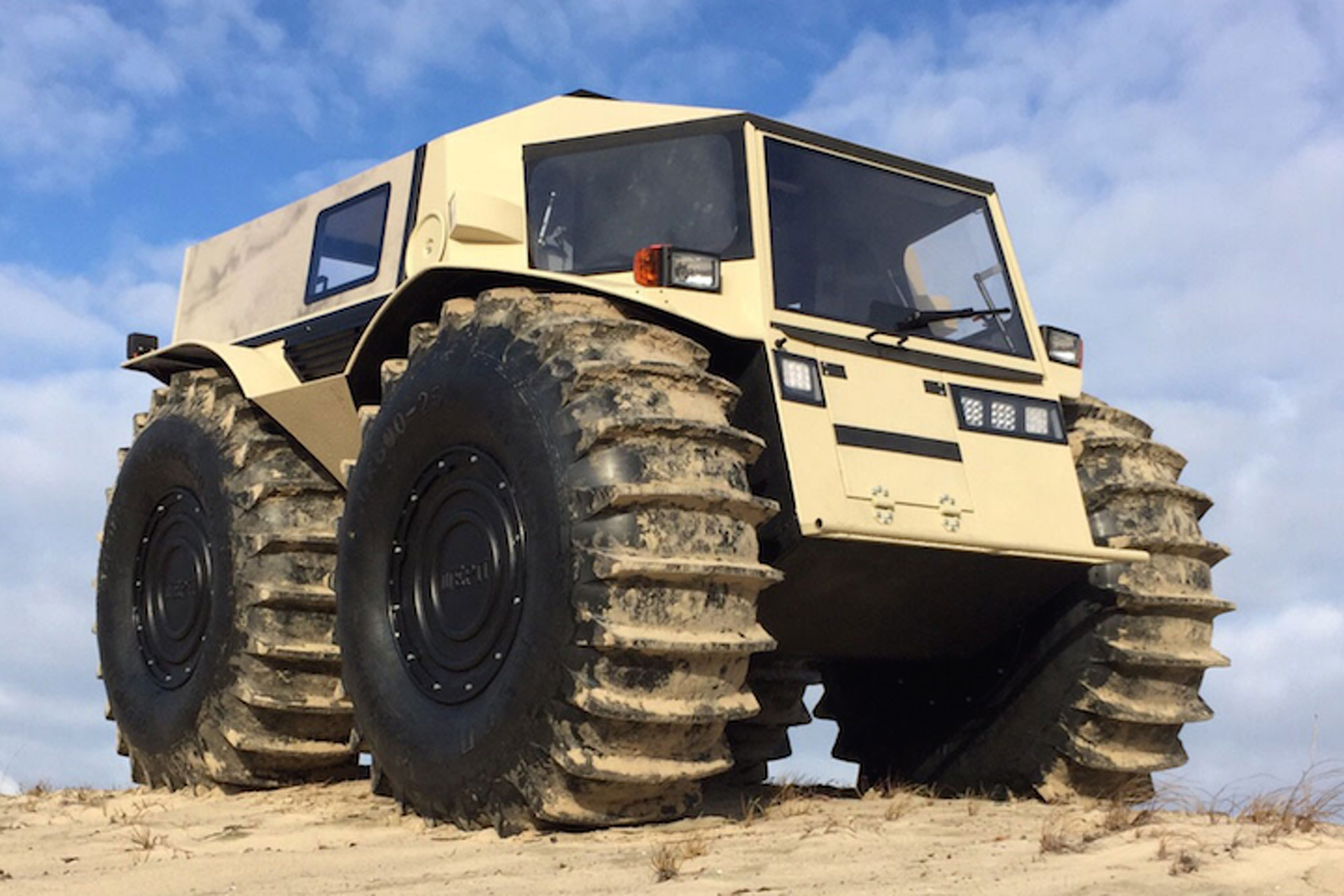
Unveiling the Adventure Drive: Mastering Terrain Adaptability
Modern 4x4 vehicles are equipped with advanced systems designed to optimize performance across varying landscapes. These technologies work in concert to provide drivers with confidence and control in challenging environments.
Advanced Suspension Systems
A vehicle's suspension is key to off-road performance, shaping how it travels over rough terrain. Dynamic Air Suspension can change ride height to improve ground clearance, vital when encountering rocks or steep inclines. It ensures higher approach and departure angles, making tricky terrain seem manageable. Features like Dynamic Response Pro enhance stability by actively controlling body roll, ensuring a smoother and more predictable ride.
Terrain Response Systems
Configurable terrain response systems allow drivers to adjust vehicle settings to best handle specific conditions. These systems often include modes for various terrains such as sand, mud, snow, and rocks. Selecting the appropriate mode adjusts throttle response, transmission settings, and traction control features to enhance performance. Some systems offer customization, allowing for fine-tuning of vehicle behavior for unique driving styles and conditions.
Electronic Differentials and Torque Vectoring
These systems maintain traction by optimally distributing power between wheels. By directing torque to the wheels with the most grip, they prevent wheel spin, crucial when navigating loose surfaces or when wheels momentarily lift from the ground. Technologies such as Torque Vectoring by Braking further enhance handling by controlling wheel spin and improving cornering on challenging terrains.
Off-Road Cruise Control
Adaptive Off-Road Cruise Control is a significant tech advancement for maintaining steady speed on rough terrains. This feature automatically manages power and braking, reducing driver fatigue and allowing better focus on steering and obstacle navigation. It is particularly useful during long and strenuous trails.
Dedicated Off-Road Trims and Packages
Manufacturers offer specialized trims that enhance vehicle capabilities. These often include upgrades like Bilstein shocks for improved damping, locking differentials for maximal traction, multi-terrain selectors, and crawl controls for slow-speed maneuvering over obstacles. Skid plates enhance underbody protection, essential for traversing rocky environments.
From Design to Destiny: How Off-Road Vehicles Conquer Challenges
Off-road vehicles are engineered to thrive where ordinary vehicles falter, equipped with features that handle rugged landscapes effectively.
The Foundation: Chassis and Frame
The chassis and frame provide an off-road vehicle's backbone. Many utilize ladder frames, noted for durability and torsion resistance. Reinforced with strategic bracing, these frames maximize strength while minimizing weight, forming a robust base for other components to rely upon.
The Heart of the Matter: Engine and Drivetrain
Robust engines deliver the low-speed torque needed to maneuver over obstacles and rough ground. Drivelines often feature four-wheel-drive with locking differentials to ensure even power distribution across all wheels. Transfer cases allow drivers to switch between high and low ranges for different terrain challenges.
The Connection to the Earth: Suspension and Tires
Suspension systems absorb impacts and maintain traction while handling changes in the landscape. Long travel suspensions allow wheels significant movement to adapt over rocks and ridges. Specialized tires with aggressive tread patterns provide necessary grip on various surfaces, from mud to rocky paths.
Protective Measures: Armor and Techniques
Protective gear like skid plates shields essential components such as the engine and transfer case from impact damage. Rock sliders protect rocker panels while heavy-duty bumpers withstand hits on both the front and rear. Combining these with smart driving techniques, like line selection and reduced tire pressures, ensures a safer off-road journey.
Unleashing Potential: Mastering Suspension and Tire Dynamics
Optimizing your vehicle's suspension and tires is crucial for improved off-road performance. Understanding these systems enhances vehicle handling and capability across diverse terrains.
Suspension Travel and Articulation
Suspension travel allows wheels vertical movement, essential for adapting to uneven terrain and maintaining traction. Articulation enables chassis flexibility, keeping wheels grounded at extreme angles, thus providing a stable, controlled ride even under challenging conditions.
Choosing the Right Tires
Off-road performance requires selecting appropriate tires for specific terrains. Mud tires exhibit large lugs for muddy conditions, while rock crawling tires use soft compounds for grip on rocky surfaces. Sand tires with paddle shapes excel in loose, sandy conditions, proving that the right selection is key to effectiveness.
Fine-Tuning Suspension Settings
Adjustable suspensions allow drivers to modify damping and ride height. Tailored settings match driving style and landscape, enhancing performance. Proper damping improves stability at speed, while reduced levels offer a smoother ride on rugged ground. Optimized settings adapt to personal preferences and environmental demands.
From Tires to Terrain: The Essentials of Off-Road Vehicle Protection
Protecting your off-road vehicle ensures longevity and performance, preventing damage from harsh conditions.
Underbody Armor
Critical undercarriage components require protection from damaging elements like rocks. Skid plates safeguard essential parts — engine, transmission, and fuel tank — while rock sliders protect door panels during rocky adventures, essential for reducing repair costs.
Bumper Upgrades and Winches
Enhanced bumpers add protection and include winch mounts for towing capabilities. Such tools are invaluable for self-recovery or assisting others in difficult situations, ensuring confidence in challenging conditions.
Damage Prevention Techniques
In addition to hardware, adopting smart driving techniques prevents vehicle damage. This includes thoughtful line selection, assessing and overcoming obstacles without undue stress on the vehicle. Proper tire inflation and cautious terrain navigation contribute significantly to overall protection.
Advanced Technologies: Deciphering the Dynamics of Off-Road Systems
Advancements in off-road technologies continuously enhance vehicle performance and reliability in diverse environments, as highlighted in research.
Analysis of Suspension and Tires
The interaction between suspension and tires determines ride quality and stability. Systems like independent and solid axle suspensions offer distinct advantages, such as improved flexibility and stability. Tire characteristics, including tread patterns and compounds, impact traction and comfort, vital for effective off-road navigation.
Understanding System Synergy
The synergy between suspension and tires defines the overall off-road capability. Properly tuned systems ensure that vehicles move smoothly over various terrains, maximizing control and minimizing discomfort. Advanced technologies enhance feedback mechanisms, leading to precise controls and adjustments during navigation.
By understanding these elements, off-road enthusiasts can ensure their vehicles remain adaptable and capable, meeting the demands of any adventure while maintaining safety and enjoyment.
Q&A
-
What is the importance of suspension in a 4x4 vehicle during off-road adventures?
Suspension plays a critical role in a 4x4 vehicle by absorbing shocks from uneven terrains, maintaining tire contact with the ground, and ensuring passenger comfort. In off-road adventures, a well-designed suspension system allows the vehicle to navigate rocky, bumpy, and unpredictable surfaces more effectively, reducing wear on other vehicle components and enhancing overall stability and control.
-
How do tires influence the performance of a 4x4 vehicle on different terrains?
Tires are crucial in determining a 4x4 vehicle's capability across various terrains. Off-road tires, designed with deeper treads and stronger sidewalls, provide better grip and traction on loose, muddy, or rocky surfaces. Choosing the right tire type based on the terrain—such as mud-terrain or all-terrain—can significantly enhance a vehicle's performance and safety during an adventure.
-
What protective measures should be taken to safeguard a 4x4 vehicle during an adventure?
Protecting a 4x4 vehicle involves several measures, such as installing skid plates to shield the undercarriage from rocks and debris, using heavy-duty bumpers to absorb impacts, and equipping the vehicle with rock sliders to prevent damage to the body. Additionally, ensuring that the vehicle has a robust winching system can be vital for recovering the vehicle if it becomes stuck.
-
Why is terrain assessment important before embarking on a 4x4 adventure?
Assessing the terrain is essential for ensuring safety and preparing adequately for a 4x4 adventure. Understanding the type of terrain—be it sandy, rocky, or muddy—helps in selecting the appropriate gear and vehicle settings, such as tire pressure and suspension adjustments. Proper assessment can prevent unnecessary vehicle strain and reduce the risk of getting stuck or encountering hazards.
-
What are the benefits of engaging in 4x4 adventures?
Engaging in 4x4 adventures offers numerous benefits, including the thrill of exploring remote and challenging landscapes, enhancing driving skills, and fostering a deeper appreciation for nature. These adventures provide an opportunity to disconnect from daily routines and connect with fellow enthusiasts, promoting both mental relaxation and physical challenges.