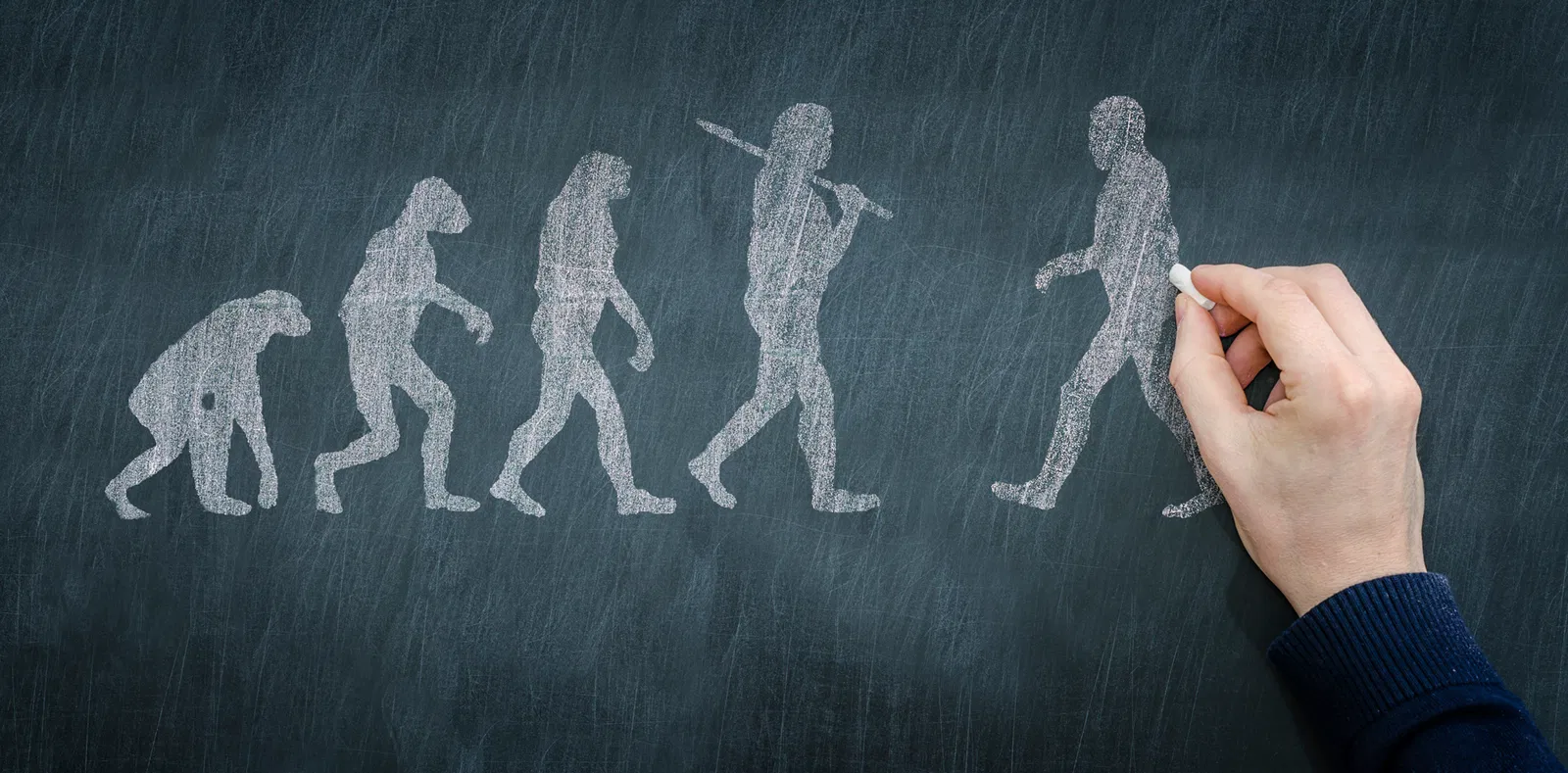
Understanding Our Nature Through An Evolutionary Lens
Evolutionary psychology opens a window to understanding the essence of human thoughts and actions, framing them within the context of survival and adaptation. Our social behaviors—like cooperation, alliance-building, and even competition—are not just random occurrences; they are rooted in our evolutionary fabric. By examining these behaviors through this perspective, we uncover how innate drives and evolutionary pressures shape our modern lives.
The Interplay of Biology and Behavior
Evolutionary principles offer a foundation for understanding how traits favorable for survival and reproduction have been passed on through generations. Natural selection, the process that favors the transmission of advantageous traits, intricately ties our biology to our behavior. This connection is pivotal to comprehending our reactions and interactions. Our emotional responses, social strategies, and even biases can be traced back to mechanisms that our ancestors used to navigate their worlds effectively.
Evolution isn't static; it's a continuous, adaptive process. This understanding helps illuminate how human behavior can be seen as evolutionary strategies. For instance, the instinct to form groups and create social bonds has been crucial throughout history, as it often increased individuals' chances of survival by offering support, protection, and resources.
The Social World Through an Evolutionary Prism
Human actions are more than individual responses—they are part of a complex social ecosystem. Behaviors that may appear purely social, such as cooperation and competition, are deeply tied to evolutionary strategies. Such behaviors facilitate survival and reproduction, ensuring that genes continue to propagate.
Social attributes like altruism, the focus on others' well-being even at personal cost, appear paradoxical when viewed through a survival lens. Yet, altruistic behaviors suggest a strategy embedded in human evolution. Helping others can benefit the helper indirectly by maintaining kin's survival or fostering reciprocal relationships that bolster mutual aid.
Altruism and Its Roots: Beyond Simple Selflessness
Altruism, understood in evolutionarily adaptive terms, reveals a landscape of behaviors that promote mutual benefit, family survival, and enhanced social connectivity. It's a multifaceted concept that defies its initial characterizations as purely selfless acts, offering a deeper look into its evolutionary utility.
The Logic of Helping Kin
The gene-centered view of natural selection provides a fascinating explanation for altruistic behaviors directed towards kin. Known as kin selection, this theory proposes that by aiding relatives, individuals boost the odds of shared genetic propagation. The instinctive protection offered by parents to their offspring is a manifestation of this principle, which joins individual survival decisions with broader genetic strategies.
This perspective sheds light on the layers of motivation underpinning family support systems, making altruism not about immediate sacrifice, but about long-term genetic investments. By promoting the survival of kin, individuals are indirectly advancing their own genetic legacy, reinforcing behaviors aligned with broader evolutionary goals.
Beyond Immediate Returns: Reciprocal Altruism
While kin selection leans towards genetic circles, reciprocal altruism extends these benefits beyond family ties. It operates on a balance of give and take where trust and cooperation emerge between individuals over time. This cooperation is advantageous, especially in environments demanding collective effort, such as hunting or resource sharing.
Through repeated interactions, reciprocal altruism becomes entrenched within social groups, perpetuating behaviors that provide mutual benefits. The early human groups exemplify this; they cultivated cooperation to manage survival challenges, echoing evolutionary principles in negotiation, alliance-building, and support networks that transcend immediate genetic computations.
Indirect Benefits Through Reputation
Altruism also functions within the ecosystem of social reputation. Acts perceived as generous or beneficent may bolster an individual's image within a group, yielding indirect benefits like increased social status or network expansion. These advantages enhance opportunities for collaboration and extend potential mate selection prospects.
This framework transcends simple altruistic acts, presenting a scenario where social standing and reputation feed back into the recursive loop of evolutionary advantage. The idea that altruistic behavior can cultivate a robust social identity provides insights into its persistence and adaptability in varied environmental and cultural landscapes.
Mate Selection: An Evolutionary Narrative
Mate choice is intricately connected to the desire to propagate advantageous genes. It's not merely a personal decision, but an evolutionary strategy deeply embedded in the survival instinct, influencing partner preferences and behaviors across cultures and societies.
Understanding Attraction
Attraction is often influenced by nuanced signals, sometimes overshadowed by more overt traits. The symmetrical features, body language, and resource signaling that contribute to perceived attractiveness offer clues to a potential mate's genetic fitness, health, and resource-holding potential. These judgments may occur subconsciously, presenting an evolved toolkit for assessing reproductive and survival prospects.
Evolutionary Drivers and Preferences
Our preferences are shaped by evolved pressures that emphasize traits enhancing our offspring's survival and genetic quality. Characteristics perceived as indicators of fertility, vitality, and problem-solving abilities are universally sought. Gender differences in preferences highlight evolutionary roles; men may prioritize youth and fertility, whereas women could value resources and security, reinforcing evolutionary bids for successful reproduction.
Psychological Dynamics of Mate Choice
Much of mate selection occurs beyond conscious awareness, driven by evolutionarily programmed preferences. Hormones, scents, and subtle expressions function as cues for assessing compatibility and desirability. These implicit signals guide choices that align with deeper evolutionary scripts, shaping not just individual relationships but also population-wide trends in preferences and mating patterns.
Cooperation and Societal Frameworks Through Evolutionary Perspectives
Social cooperation is a pillar of human societies, pivotal for survival and the progression of civilizations. Its evolutionary basis provides insights into behaviors that underpin societal cohesion and collective success.
The Role of Social Norms in Cooperation
Social norms, the framework of acceptable behaviors, embody evolutionarily derived strategies for maintaining group cohesion and managing the balance between individual and collective interests. They manifest as unwritten rules promoting cooperation, frequently shaped by cultural evolution across generations. These norms enable groups to adapt to new challenges, fostering continued persistence and resilience.
Environmental and Group Selection Pressures
Beyond individual selection, group-level competitive advantage influences cooperative traits. Groups that harness collective strength achieve greater success and propagate cooperative behaviors. Cultural evolution furthers this dynamic, embedding moral codes and practices that reinforce societal cooperation. Each evolutionary layer intertwines, fostering collaboration and resilience.
Bridging Past and Present: Evolutionary Insights in Human Society
By mapping evolutionary psychology's themes across our modern landscape, we can better appreciate the continuities and adaptations that drive our interactions. Understanding these evolutionary underpinnings allows for a more holistic view of human behavior, offering a roadmap for navigating modern societal challenges.
The Future of Studying Human Nature
Further explorations into this field hold the potential to drive profound societal and technological advances. With the integration of AI, neuroscience, and behavioral insights, evolutionary psychology continues to unveil the symbiotic relationship between genes and society, offering a lens through which to view ongoing adaptation and cooperation.
In summary, evolutionary psychology serves as a bridge, connecting the seemingly disparate realms of biological imperatives and social complexities. Its insights unravel the intricate web of human behaviors, providing clarity and continuity in the face of modern challenges.
Q&A
-
What is evolutionary psychology and how does it relate to natural selection?
Evolutionary psychology is a theoretical approach in the social and natural sciences that examines psychological structure from a modern evolutionary perspective. It suggests that human behavior can be understood in terms of the evolved psychological mechanisms that are the result of natural selection. This perspective assumes that the mind, much like the body, is shaped by the process of natural selection to solve problems faced by our ancestors, thus influencing contemporary human behavior.
-
How does altruism fit into the framework of evolutionary psychology?
Altruism, or selfless behavior that benefits others at a cost to oneself, can be understood through evolutionary psychology as a trait that may have evolved because it increased the survival and reproductive success of our ancestors. Theories such as kin selection and reciprocal altruism suggest that individuals may engage in altruistic behavior to help relatives share genes or to establish mutually beneficial relationships that could provide future advantages, thus supporting the evolutionary perspective.
-
What role does mate choice play in human adaptation according to evolutionary psychology?
Mate choice is a crucial aspect of human adaptation, as it directly affects reproductive success and the passing of genes to future generations. Evolutionary psychology posits that humans have evolved preferences for certain traits in potential mates that historically enhanced survival and reproduction. For example, preferences for indicators of health, fertility, and resources are thought to be adaptive responses shaped by natural selection to ensure the best possible genetic and resource advantages for offspring.