Decoding Color Bars And Numbers
Those colored bars on an air‑quality app are a quick health shorthand. A common index turns complex pollution measurements into a single number on a broad scale, paired with a color so you can judge conditions in a second.
Green usually sits in the lowest band and signals that pollution levels are considered low. For most people, breathing the air at this level is unlikely to cause noticeable problems during everyday activities.
Yellow shows that pollution is starting to creep up. Most people can go about their day as usual, though very sensitive individuals may choose to be more cautious with long or intense outdoor activity.
Orange is when sensitive groups are advised to pay close attention, including people with heart or lung conditions, older adults, pregnant people, and children. The message is to consider shorter or lighter outdoor plans and to watch for symptoms like coughing or unusual tiredness.
As the index moves into red, purple, and maroon, pollution is higher and the potential for health effects grows. At these levels, even people who are usually healthy may feel irritation or breathing discomfort when they stay or exercise outside for long periods.
Behind each color and number are measurements of several major pollutants in the air. Whichever pollutant reaches the highest relative level usually sets the day’s overall value.
Lower numbers mean cleaner air and less expected impact for most people. Higher numbers suggest planning ahead: checking the forecast, timing outdoor exercise for cleaner hours, or moving workouts indoors. For everyday use, green and yellow often mean “fine to be outside,” orange invites extra care for sensitive groups, and anything higher cues everyone to slow down outdoor intensity and limit unnecessary exposure.
From City Sensors To Your Front Door
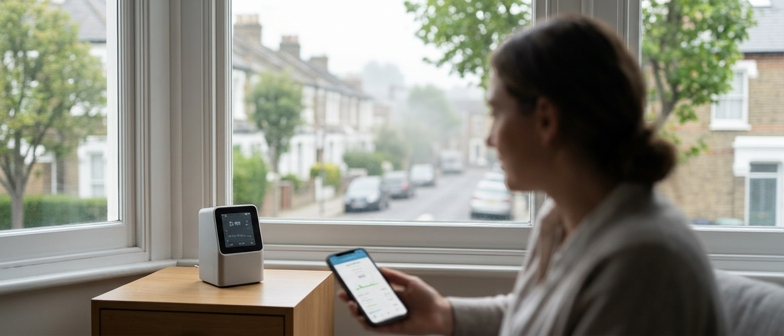
Reading that number on your phone
Outdoor readings usually come from fixed monitors along major roads or in central areas. Those stations measure common pollutants and convert them into the familiar color scale that appears on maps and weather apps. Many tools then estimate values for nearby neighborhoods based on those fixed points.
For daily life, that single number is a useful snapshot. It helps decide if a long run outside feels like a good idea, whether kids’ outdoor play might be shortened, or if a commute by bike deserves a second thought. Color changes on the map are an early nudge to slow down outdoor plans or choose a quieter route with less traffic.
The reading is an average over time and space, not a live report for every block. Short spikes from busy intersections, construction sites, or backyard burning might not fully show up in the index you see, especially if they are brief or very local. The number gives the background conditions, while your own choices about route, timing, and effort fine‑tune what you personally breathe in.
Bringing outdoor readings to your front door
What happens at the curb still matters once the door closes. When the index is low, opening windows can refresh indoor air, especially if cooking or cleaning has added particles and odors. On moderate days, quick ventilation followed by closing windows may balance letting in fresher air and limiting outdoor pollutants.
When the index climbs, people may keep windows shut, rely more on filtration, and avoid activities that add smoke or strong fumes indoors. Some adjust exercise times to early morning or later in the day, when pollution can be lower, or move workouts inside.
Pollen forecasts, humidity, and temperature also play a role. The outdoor index sets the baseline, but personal comfort, health conditions, and the way a home is ventilated turn that public number into a private action plan.
| Situation at your door | Outdoor reading trend | Helpful adjustment indoors | Why it can help |
|---|---|---|---|
| Clear, low‑pollution day | Staying in the lowest band | Open windows on opposite sides for a short time | Swaps stale indoor air for fresher air with fewer particles |
| Moderate haze or traffic nearby | In the middle bands | Brief airing, then close windows and use fans | Limits outdoor pollutants while still avoiding stuffiness |
| Noticeably poor air outside | In higher bands | Keep windows closed, reduce smoke or strong fumes | Lowers combined indoor and outdoor pollution load |
Hidden Trouble Indoors
Noticing problems you cannot see
Indoor air often feels “fine” simply because there is no smell or visible dust. Many particles and gases are invisible and odorless.
Clues are usually subtle. A stuffy feeling in one room, condensation on windows, or a lingering smell after using certain products may signal that air is not circulating well. Repeated headaches, a dry throat, or itchy eyes that improve when you leave the house can also point to indoor air playing a role, especially when several people in the home notice similar discomfort.
A simple walkthrough can help. Move from room to room and note where air feels warm, damp, or stale. Look around window frames, behind wardrobes, and in closets for spots of discoloration or peeling paint. Pay attention to areas where dust accumulates quickly, such as around vents, under beds, or on top of shelves.
Ventilation paths matter as well. Interior doors that are always shut, large pieces of furniture pressed tightly against walls, or blocked supply and return grilles can all disturb how air circulates. Over time, this can leave corners of a home with higher humidity or more trapped pollutants than other areas.
Practical ways to improve air indoors
Once potential trouble spots are on the radar, small adjustments often make a noticeable difference. Opening windows on opposite sides of the home, when outdoor conditions allow, helps stale indoor air move out and fresher air move in. Using exhaust fans while cooking or showering removes humidity and fumes closer to their source.
Choosing fragrance‑free or low‑odor cleaning products can reduce strong chemical smells indoors. Regularly washing bedding and vacuuming floors with a good filter reduces particles that would otherwise keep circulating. It also helps to keep vents and grilles free of dust so that air can move more easily through the system you already have.
Moisture control matters, especially in bathrooms, kitchens, and basements. Dry wet surfaces promptly and hang laundry where air can flow around it. Avoid blocking air paths with large furniture, particularly near radiators, fans, or vents.
| Home pattern you notice | Likely air‑related factor | Simple starting step | Longer‑term habit to try |
|---|---|---|---|
| Fogged windows and damp corners | Extra moisture and weak ventilation | Use exhaust fans during showers and cooking | Keep doors slightly open to share air between rooms |
| Dusty shelves soon after cleaning | Particles settling where air slows | Vacuum and wipe surfaces more often in those spots | Move or adjust vents and furniture to improve airflow |
| Lingering smells after products | Slow removal of gases indoors | Open a window briefly after using them | Switch to low‑odor or fragrance‑free options when possible |
Daily Moves That Support Your Lungs
Rethinking your routine when the air looks “just okay”
Lung‑friendly habits work best when they are small enough to keep, but match the day’s conditions. Glancing at the air report in the morning can sit next to checking the forecast. On days with better numbers, outdoor walks, bike rides, or gardening can provide gentle training for your breathing muscles. When the index climbs, shifting the same activities indoors keeps movement without adding extra strain from polluted air.
Route choices can help even when the overall index is the same. Walking one block away from heavy traffic, choosing side streets over main roads, or stepping back from idling vehicles reduces what you breathe in. If masks are comfortable for you, a well‑fitting one on higher‑pollution days can add another layer of protection, especially in crowded or dusty places.
Listening to your own body is also important. If you feel tightness in your chest, unusual shortness of breath, or a scratchy throat during outdoor activity, easing your pace, changing location, or heading indoors can be sensible steps, particularly when readings are in higher bands.
Small indoor moves that add up
Indoors, the aim is calmer air with fewer sudden spikes. Keeping windows closed during poor‑air periods and opening them when readings improve can prevent outdoor pollution from building up. If you use an air cleaner, placing it where you spend the most time, such as a bedroom or living area, can help it work more effectively. Regular dusting, vacuuming with good filters, and avoiding strong sprays or heavy fragrances also reduce the amount of material your lungs need to filter out.
Your own breathing habits play a role as well. Slow, steady breathing exercises, such as counting the length of each inhale and exhale, can ease tension in chest and shoulders. Pairing this with enough sleep, regular movement within your limits, and meals that include fruits, vegetables, and whole grains can support general health, which in turn helps your body cope when outside air is less than ideal.
Over time, treating the air report like a daily signal, just like the chance of rain, makes planning feel routine rather than worrying. A few small, consistent choices indoors and outdoors can shape what you breathe far more than any single smoky or hazy day.
Q&A
-
What are the key components of Air Quality Index basics that people should understand before using any app or website?
Air Quality Index basics focus on which pollutants are included, the averaging time, and how numbers map to health‑based categories and colors. Understanding that AQI is standardized but pollutant mixes differ between regions helps people compare days, interpret trends, and decide when to modify outdoor activities or protect sensitive family members. -
Which indoor air quality tips matter most for households that do not want to buy expensive equipment?
Effective indoor air quality tips without big purchases include controlling moisture, reducing smoke and strong chemicals, and improving natural ventilation strategically. Using exhaust fans, air‑drying mild cleaners, decluttering dusty areas, and maintaining HVAC filters regularly all reduce indoor particle loads, making homes healthier even on a limited budget or in rented spaces. -
How can air pollution health awareness shape conversations between patients and healthcare providers?
Air pollution health awareness allows patients to describe symptoms in relation to daily or seasonal air patterns, enabling providers to connect respiratory flare‑ups with environmental triggers. Bringing AQI logs, work locations, and commuting details to appointments supports more tailored medication plans, avoidance strategies, and advice about masks, inhaler timing, or changing exercise routines. -
In what ways do weather and air conditions interact to influence home ventilation best practices?
Weather and air conditions determine when home ventilation best practices favor opening or sealing windows. Temperature inversions, wind direction, and humidity levels can trap pollutants or disperse them. Monitoring both AQI and local weather helps households pick shorter airing periods, choose cross‑breezes safely, and coordinate filtration use during stagnant or high‑pollution episodes. -
How is urban air quality monitoring evolving, and what clean air daily habits can residents adopt alongside these systems?
Urban air quality monitoring is expanding from a few regulatory stations to dense networks of low‑cost sensors, satellite data, and mobile measurements. Residents can pair these insights with clean air daily habits like choosing low‑emission transport, avoiding open burning, maintaining indoor filters, and planning outdoor activity by neighborhood‑level readings rather than only citywide averages.