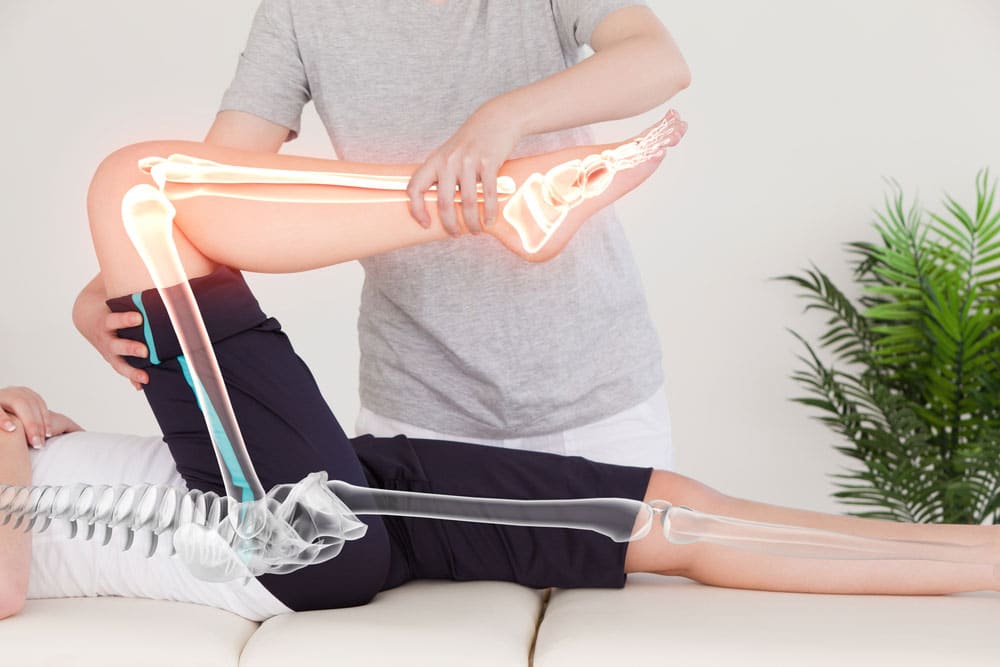
Unlocking the Secrets of Joint Movement
Joint movement is something we often take for granted until discomfort disrupts our daily routines. Understanding the intricacies behind our ability to move freely can empower us to maintain flexibility and comfort.
The Muscular Connection
Muscles are integral to joint mobility, akin to the powerful engines that propel a vehicle. When they're strong and flexible, they support joints effectively, allowing for a greater range of motion. Muscles can restrict movement when they become stiff or weakened, leading to discomfort and limited joint function. By incorporating exercises that extend the muscle's length, such as isometric training, one can significantly enhance both muscle and joint flexibility. This understanding illustrates how muscle health is closely tied to overall joint movement.
The Importance of Proprioception
Proprioception, the body's ability to sense movement and position, is crucial for joint stability and coordination. Small muscles, often overlooked, play significant roles in this process. For instance, intrinsic foot muscles contribute to proprioception, ensuring stability and balance. By strengthening these muscles, particularly in older adults, we can greatly reduce the risk of falls and connect this stabilization directly to joint health. The analogy of a building relying on a solid foundation applies well, emphasizing the importance of small muscles in overall joint stability.
A Holistic Approach to Overcoming Restrictions
Factors beyond muscular health can affect joint mobility. For instance, injuries in the head or spine might lead to restrictions, influencing overall posture and joint movement. Addressing these issues requires a holistic approach that combines cervical mobility restoration, muscle strengthening, and vestibular exercises. Dance/movement therapy represents one such approach, leveraging therapeutic movement to engage the neuromuscular system, enhancing both physical and psychological attributes of movement. Integrating therapeutic movement underscores the interconnectedness of our bodies, between areas like the neck, shoulders, and feet, illustrating how focusing on one area can benefit another.
Little-Known Therapies: Innovative Approaches to Joint Care
While mainstream therapies for joint concerns are invaluable, exploring additional options can provide complementary benefits, offering relief and improving quality of life.
Dance/Movement Therapy
Dance/movement therapy is a creative approach that uses dance for holistic well-being, enhancing physical, social, cognitive, and emotional health. Its gentle movements can increase joint flexibility, reduce pain, and even ease stiffness, thereby alleviating arthritis symptoms. By focusing on expressive movement rather than performance perfection, individuals who engage in dance therapy often experience a simultaneous boost in mood and reduction in stress. Working with a qualified therapist ensures personalized sessions that cater to specific needs, making it a safe and effective adjunct therapy.
Intrinsic Foot Muscle Strengthening
Foot muscles, often overlooked, have a profound impact on joint alignment and stress distribution. Weakness in these muscles can increase stress on joints like knees and hips, potentially exacerbating arthritis symptoms. Practices like toe curls, marble pickups, and calf raises directly target these muscles, enhancing balance and reducing joint strain. Regular practice strengthens biomechanics, contributing to reduced joint pain and a more stable posture. Working alongside a physical therapist can ensure exercises are done correctly, enhancing their benefit without causing undue strain.
Emerging Sensor Technology
Innovative sensor technologies represent a burgeoning frontier in joint care, offering insights and personalized feedback on movement patterns and joint health. Envision wearing clothing embedded with sensors that track movement or inflammation indicators in real-time, enabling proactive interventions. Although still in development, this technology promises tailored and timely management options for flare-ups and informed decision-making regarding treatments and lifestyle adjustments. As these technologies evolve, they hold promise for early detection and precise monitoring of joint health, revolutionizing joint care.
Weight Matters: How Your Lifestyle Impacts Joint Health
Lifestyle choices have a profound effect on joint health, influencing everything from weight-bearing stress to inflammatory responses.
The Weight-Joint Connection
Excess weight burdens joints, akin to constantly carrying a heavy load. The knees, particularly sensitive to this strain, experience several times more pressure for every pound of excess weight. Reducing weight can greatly relieve this pressure, helping to diminish pain and maintain joint function. By considering weight management as a fundamental component of joint care, individuals can protect their joints, improve their quality of life, and stave off mobility challenges associated with arthritis.
Dietary Strategies for Joint Wellness
Diet profoundly impacts inflammation and joint health, making nutritional choices crucial in managing arthritis symptoms. An anti-inflammatory diet, rich in fruits, vegetables, and omega-3 fatty acids, can alleviate pain and inflammation. Including foods like salmon, leafy greens, and berries nourishes the body and fortifies it against inflammatory processes. Conversely, reducing processed foods and excess sugar can mitigate inflammation, presenting a balanced diet as both nourishment and medicine for joint maintenance.
Exercise: Dual Role in Joint Care
Exercise is a pillar of joint health but requires thoughtful selection, particularly for those with arthritic concerns. While exercise keeps muscles strong, choosing low-impact activities like swimming or cycling minimizes joint stress while delivering cardiovascular benefits. High-impact exercises can exacerbate joint damage, so a focus on gentler movements ensures effective joint care without risking further injury. Collaborating with healthcare professionals to devise suitable exercise regimens can perfectly balance activity with joint preservation.
From Aches to Ease: Navigating Practical Pain Management Solutions
Managing joint pain effectively requires understanding its roots and adopting an array of supportive therapies.
Understanding the Pain
Understanding pain requires pinpointing its origins, whether rooted in arthritis or previous injuries. Recognizing the specific nature of the pain informs tailored treatment approaches, enabling targeted therapies that focus on cartilage health and reduce inflammation. Addressing the source of pain allows for strategies that support not only symptomatic relief but also underlying joint health.
Simple Exercises and Movement
Engaging in movement is imperative for joint health, and even simple exercises can foster flexibility and mitigate stiffness. Exercises that enhance the strength of the intrinsic foot muscles, for instance, improve balance and stability, proving particularly crucial for older adults. Regular movement practices that scaffold therapy-tailored regimens allow for meaningful improvements in joint function and overall quality of life.
Exploring Alternative Therapies
Alternative therapies offer diverse avenues for joint pain management.
- CBD Treatments: With anti-inflammatory properties, CBD products have become popular for easing joint discomfort.
- Chiropractic Care: This involves adjustments targeting spinal alignment and muscle tension relief, particularly useful for complex pain profiles.
- Targeted Nerve Treatments: Options like cervical neurectomy address chronic pain through precision interventions, often averting the need for surgery.
The Importance of a Holistic Approach
Embracing a holistic framework goes beyond symptomatic treatment, incorporating lifestyle modifications and overall wellness strategies. This multifaceted approach, knitting together healthy diet, adequate exercise, and stress management, addresses both symptoms and causes, offering a comprehensive pathway to enhancing joint health and ensuring enduring quality of life.
Question and Answer
-
What role does flexibility training play in arthritis prevention?
Flexibility training is crucial in arthritis prevention as it helps maintain joint range of motion and reduces stiffness. Regular stretching exercises can keep muscles and joints limber, which is essential for preventing arthritis-related pain. Engaging in flexibility training can also improve overall joint function, making daily activities more manageable and reducing the likelihood of injury. Activities such as yoga or tai chi are particularly beneficial as they promote gentle stretching and strengthening of muscles around the joints.
-
How can cartilage support be enhanced through diet and supplements?
Cartilage support can be enhanced by incorporating certain nutrients and supplements into your diet. Foods rich in omega-3 fatty acids, like fish, walnuts, and flaxseeds, can reduce inflammation, benefiting cartilage health. Supplements such as glucosamine and chondroitin sulfate are often recommended as they may help maintain cartilage structure and reduce arthritis symptoms. Additionally, ensuring adequate intake of vitamins C and D is important, as these vitamins support collagen production and bone health, indirectly benefiting cartilage.
-
Why are low-impact exercises recommended for individuals with arthritis?
Low-impact exercises are recommended for individuals with arthritis because they minimize stress on the joints while still providing the benefits of physical activity. Activities like swimming, cycling, and walking are ideal as they allow for cardiovascular conditioning and muscle strengthening without the joint strain associated with high-impact exercises like running. These exercises help maintain joint flexibility and function, reduce stiffness, and improve overall mobility, making them a safe and effective choice for arthritis management.
-
In what ways can movement range be maintained or improved for those with arthritis?
Maintaining or improving movement range in individuals with arthritis involves a combination of regular exercise, physical therapy, and appropriate lifestyle modifications. Regular stretching and strength-training exercises help keep joints flexible and muscles strong, supporting better movement range. Physical therapy can provide tailored exercises to improve specific joint functions. Additionally, maintaining a healthy weight reduces pressure on joints, and using ergonomic tools and supportive footwear can help prevent further joint strain.
-
How does pain reduction contribute to better arthritis management?
Pain reduction is a key component of effective arthritis management, as it enables individuals to engage more fully in physical activities that support joint health. By reducing pain through medication, physical therapy, or alternative treatments like acupuncture or massage, individuals can maintain a more active lifestyle, which is crucial for joint health. Pain management strategies also improve overall quality of life, allowing individuals to perform daily activities with greater ease and comfort.